The mobile device industry is undergoing yet another wave of transformation, with foldable displays emerging as the new benchmark for the premium segment. Apple, which typically allows the market to mature before introducing its own refined iterations, is reportedly preparing to unveil the iPhone Ultra in an attempt to redefine the concept of multitasking. However, the effort to integrate productivity tools into this specific form factor has collided with rigid physical and ideological constraints. The saga of the Apple Pencil for foldable displays illustrates why engineering pragmatism in Cupertino frequently triumphs over marketing ambitions.
The upcoming "Surprise and Shine" event, scheduled for September 9, promises to be a landmark moment for the tech industry. Expectations are high that Apple will unveil not only the refreshed iPhone 18 Pro lineup but also its first full-scale foray into the foldable market: the iPhone Ultra. In preparation for the launch, Apple conducted a series of rigorous internal tests to answer a pivotal question: can a foldable smartphone truly serve as a comprehensive tool for creativity and text composition?
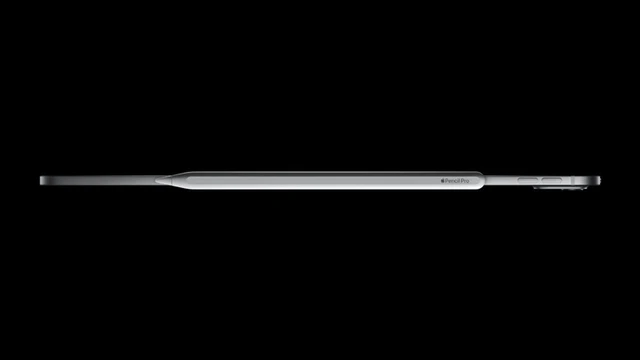
At the heart of these investigations was a dedicated stylus—essentially a reimagined iteration of the Apple Pencil. To fit the smartphone's form factor, the accessory was significantly shortened compared to its iPad counterparts. Engineers implemented a magnetic docking system on the device's side rail, designed to facilitate simultaneous charging and convenient storage.
In practice, however, this concept encountered a severe ergonomic clash. Testers discovered that the stylus's placement created a physical obstruction when unfolding the screen. In a device where fluidity and seamless interface interaction are paramount, any mechanical hindrance becomes a critical flaw.
Beyond ergonomics, fundamental challenges emerged in the realm of materials science. The internal panels of foldable devices differ fundamentally from traditional tempered glass, utilizing softer, more pliable polymer layers essential for screen flexibility. Testing revealed that the stylus's rigid tip could leave irreversible micro-abrasions and visual defects on such surfaces—a non-starter for a premium-tier product.
Consequently, Apple is likely to abandon the accessory for the iPhone Ultra entirely. This decision appears to be both a technical necessity and a return to the company's roots. In 2007, while introducing the first iPhone, Steve Jobs famously dismissed the notion of a stylus, asserting that the user's fingers were the ultimate tool for interaction. Years later, despite the success of the Apple Pencil in the tablet and professional design sectors, the philosophy of the "pure" interface remains dominant in the smartphone segment.
Thus, the iPhone Ultra will likely remain a device centered on content consumption and essential productivity, where structural reliability and aesthetics prevail over attempts to transform the phone into a full-fledged digital notepad.
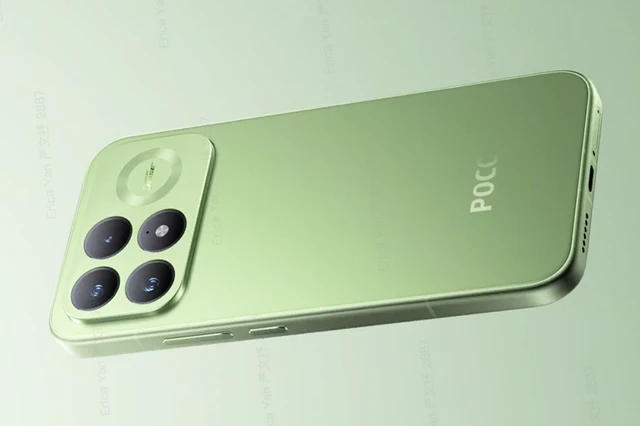 The POCO F9 Series: A Technological Leap Forward