Modern urban centers are evolving into domains of pervasive digital surveillance, where the demarcation between security and privacy grows increasingly opaque. The rollout of Automatic License Plate Recognition (ALPR) systems has sparked a profound societal divide, pitting state imperatives against the fundamental rights of the individual. The account of a Virginia-based engineer who took it upon himself to physically dismantle these tools of surveillance has ignited a sweeping debate over the legitimacy of mass monitoring. This incident underscores a pivotal shift: resistance to data infrastructure is transitioning from isolated acts of defiance into a structured movement for digital liberty.
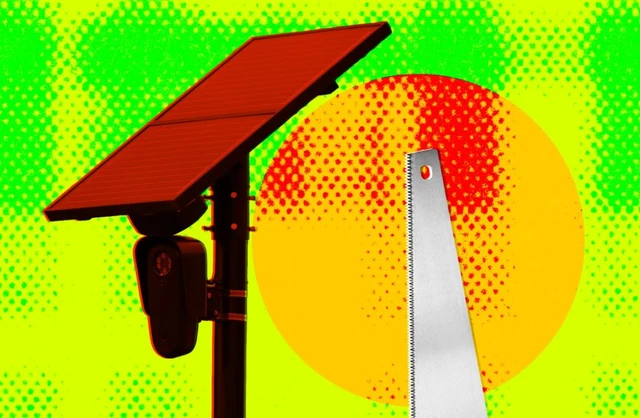
At the heart of a high-profile legal battle in the United States is Jeffrey Sovern, an Air Force engineer and mechanic. He stands accused of a series of radical actions targeting Flock—a surveillance network powered by integrated AI that is rapidly proliferating across urban landscapes, from small townships to major metropolises. Sovern faces 13 counts of intentional destruction of property, alongside six charges related to petty theft and the possession of burglary tools.
The technical crux of the conflict lies in the operation of Automatic License Plate Recognition (ALPR) systems. These devices do more than simply record video; they scan and index license plates in real-time, constructing a granular map of citizen movement. While officially marketed as an efficient tool for crime prevention, in practice, these systems establish an infrastructure of pervasive surveillance that effectively erases the concept of privacy within public spaces.
For Sovern, the destruction of over a dozen such cameras was an act of civil disobedience. Invoking the Fourth Amendment to the U.S. Constitution—which guarantees the right to be secure against unreasonable searches and seizures—he frames his actions not as mere vandalism, but as a defense of fundamental human rights. This stance has resonated unexpectedly well with the public: a crowdfunding campaign for his legal defense attracted over 400 donors, raising more than $15,000 and significantly exceeding initial expectations.
This case exposes a deeper systemic crisis of trust regarding surveillance technology. The danger lies not only in the capture of license plates but in the corporate drive to merge disparate databases into a single, unified ecosystem. A poignant example of this ambition was the integration of Ring with the Flock platform under the "Community Request" program.
Under this framework, law enforcement could request video footage from private smart-doorbell owners via the Neighbors app, linking that data to ongoing investigations within Flock Nova or FlockOS. Essentially, it proposed a hybrid surveillance network where state resources are augmented by private citizen cameras. However, the initiative collapsed; widespread user outcry over privacy concerns forced Ring to terminate the partnership after only a few months.
Jeffrey Sovern’s story underscores a growing societal demand to limit the "data infrastructure" that strips individuals of their privacy and transforms the urban environment into a digital panopticon. While law enforcement agencies insist on the efficiency of AI monitoring, an increasing number of people are beginning to perceive such systems as a fundamental threat to the very essence of freedom of movement.
 The Price of Acceleration: CXMT’s Rapid Push into Memory