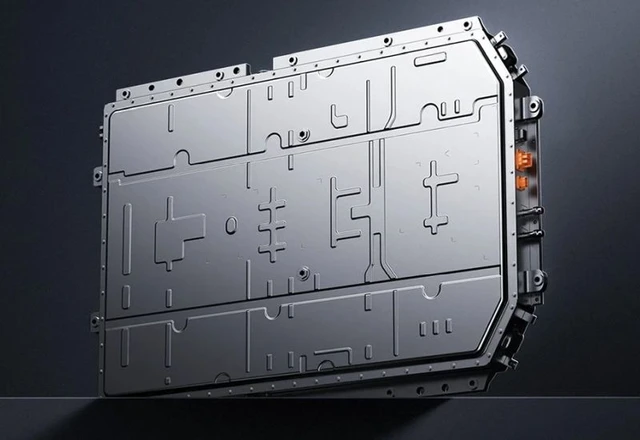
The global transition toward electric mobility is confronting a fundamental barrier: the progressive chemical degradation of battery cells. While the industry remains focused on scaling energy density, longevity remains the critical bottleneck for the sustainable evolution of transport. The solution lies in the molecular engineering of the interfaces between the electrolyte and the electrode. A team of Japanese researchers has unveiled a method that effectively halts the degradation of the graphite anode, paving the way for the development of truly long-lived energy storage systems.
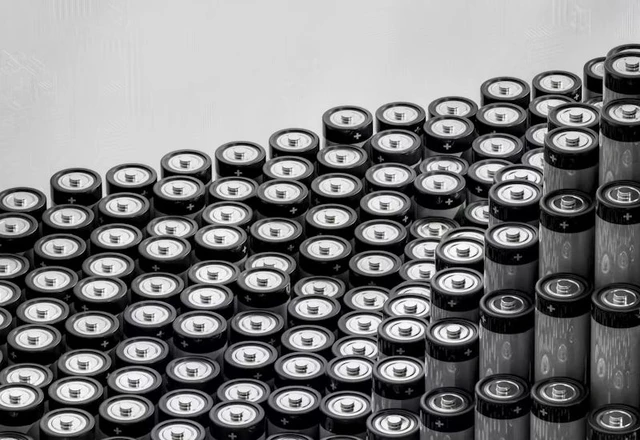
The degradation of traction batteries has long been the "Achilles' heel" of modern electrochemistry. While contemporary Battery Management Systems (BMS) mitigate this effect for the initial vehicle owner, the physical wear of cells remains inevitable. The primary point of failure is the graphite anode, where charge-discharge cycles trigger undesirable side reactions, leading to the loss of active lithium and a rise in internal resistance.
Researchers from the Japan Advanced Institute of Science and Technology (JAIST) have proposed an elegant solution by introducing a specialized additive to the anode: pentafluorophenyl thiophene imine (FPTI). The core of this method lies in the creation of a modified protective layer that forms on the anode surface during the first few operational cycles. This layer functions as an intelligent filter, allowing lithium ions to pass through unimpeded while blocking the parasitic chemical interactions that typically lead to structural battery failure.
The efficacy of FPTI stems from its complex molecular architecture. Sulfur and imine components are responsible for constructing the protective film's framework, while fluorine enhances the lithium compounds on the surface, providing additional chemical stability. Consequently, the electrode-electrolyte interface becomes more homogeneous, minimizing energy losses and preventing premature cell degradation.
Experimental results reveal a striking correlation between additive concentration and performance. With 2 mg of FPTI per milliliter of electrolyte, cells retained 89.4% of their capacity after 1,000 cycles. However, increasing the dosage to 4 mg pushed this figure to a record 95.6%. In contrast, the control sample without the modifier showed a catastrophic decline, dropping to 62.7% residual capacity over the same period, with significant degradation manifesting after just 350 cycles.
However, the implementation of FPTI involves a specific technical nuance. The researchers discovered that adding the substance directly to the electrolyte of finished NMC (nickel-manganese-cobalt) cells leads to increased cathode resistance, which impairs overall performance. The optimal solution proved to be utilizing the additive exclusively during the preparation of the graphite anode. Once the protective layer is formed, battery assembly continues using a standard electrolyte, thereby avoiding any adverse effects on the cathode.
Beyond longevity, the modification unexpectedly boosted energy density. In samples with a concentration of 4 mg/ml, the charge storage density increased from a baseline of 130 to 233 Wh/kg. Even at the lower dosage of 2 mg/ml, the figure rose to 192 Wh/kg.
This breakthrough demonstrates that classical lithium-ion technologies have not yet reached their limit. While mass adoption will require extensive industrial trials, the work of these Japanese scientists proves that targeted chemical modification can radically transform battery lifecycles, making their operation more efficient and environmentally sustainable.
 Industrial Espionage in the Semiconductor Sector