19 Aug 2026
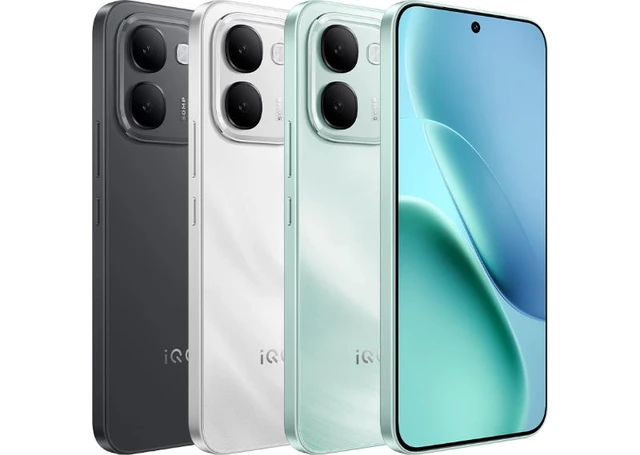 iQoo Z11S: Next-Level Battery Endurance
The mobile industry is gradually pivoting away from the obsession with razor-thin profiles, shifting its focus toward uncompromising battery life. While most manufacturers remain tethered to the 5,000 mAh industry standard, iQoo is taking a bold leap forward. The debut of the Z11S heralds a new era for the mid-range segment, positioning energy efficiency as the primary competitive advantage. This smartphone is poised to redefine our fundamental expectations regarding how often a modern device actually needs to be recharged.
19 Aug 2026
 The End of Nokia's Expansion in the Chinese Market
The global telecommunications landscape is undergoing a period of tectonic shifts, as the long-standing dominance of Western giants gives way to regional hegemony. For decades, European vendors shaped the digital infrastructure of emerging markets; today, however, the trajectory of influence has shifted decisively. Nokia, once the quintessential symbol of global connectivity, is now compelled to begin a strategic retreat from one of its most critical historical strongholds. This exodus is less a reflection of internal corporate failure and more a symptom of China’s systemic pivot toward total technological autonomy.
19 Aug 2026
 Human Identification via Wi-Fi Radio Signals
The boundary between physical privacy and digital transparency is becoming increasingly blurred. Modern wireless networks, long regarded as mere conduits for connectivity, are evolving into potent instruments for spatial analysis. Recent research demonstrates that Wi-Fi signals can identify individuals with near-absolute precision, operating entirely without the need for cameras or specialized sensors. This paradigm shift effectively transforms every router into a potential surveillance tool, challenging the very notion of anonymity within enclosed spaces.
18 Aug 2026
 The Technological Leap of Google Pixel Modems
The quest for seamless connectivity and optimal power efficiency remains one of the most formidable challenges in the modern smartphone industry. For years, the Google Pixel lineup has been plagued by systemic network issues that have consistently throttled the devices' full potential. The transition to the new Tensor G6 chipset marks a fundamental pivot in the company's hardware strategy; replacing the Samsung modem with a MediaTek solution is designed to eliminate long-standing bottlenecks and elevate the user experience to a new echelon of battery autonomy.
18 Aug 2026
 Quantum Entanglement in Urban Communication Networks
The vision of a global quantum internet hinges on the ability to transmit entangled particles across vast distances. However, the inherent fragility of quantum states renders them hypersensitive to external interference, effectively turning conventional fiber-optic networks into hostile environments. Recent breakthroughs in physics suggest that the divide between the sterile confines of the laboratory and the chaos of urban infrastructure is finally closing. A successful demonstration of entanglement transmission over existing communication lines proves that our current network architecture is capable of serving as the foundation for a quantum revolution.
16 Aug 2026
 The Limits of SpaceX's Operational Efficiency
Modern spaceflight is decisively transitioning from an age of sporadic expeditions to an era of industrial-scale throughput. SpaceX continues to redefine the boundaries of orbital logistics, transforming highly complex launches into routine operational procedures. Their latest record for launch cadence underscores an unprecedented level of synchronization between ground operations and technical infrastructure. This milestone reinforces the premise that rocket reusability has become the bedrock of a burgeoning Low Earth Orbit (LEO) economy.
14 Aug 2026
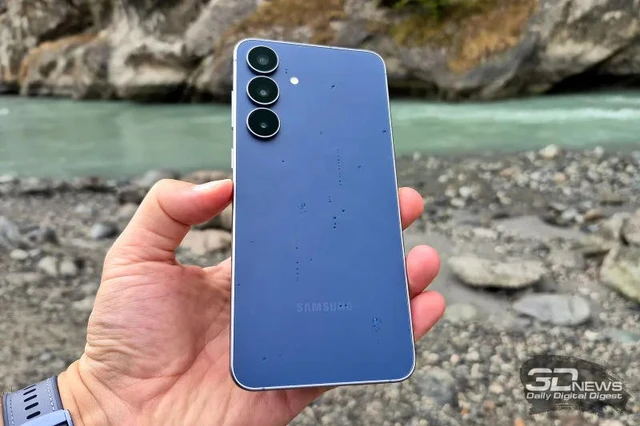 The End of the Ultra-Budget Smartphone Era
Global supply chain volatility and the semiconductor shortage are fundamentally reshaping the consumer electronics landscape. The era of ultra-budget devices is rapidly drawing to a close, superseded by a strategic pivot toward increasing the average selling price of hardware. In the United States, this trend has manifested in more radical terms, effectively eradicating the entry-level market segment. Current dynamics signal a systemic shift toward the "premiumization" of even the most fundamental connectivity needs.
13 Aug 2026
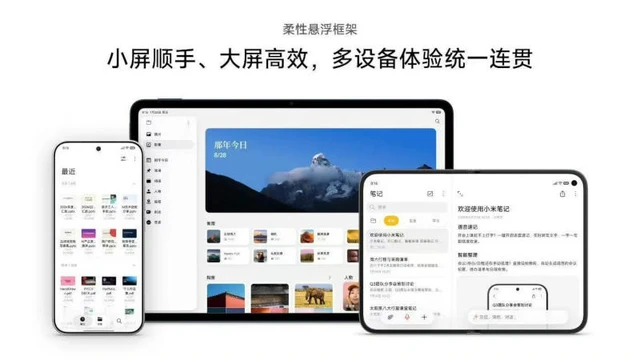 The Expansion of Large-Screen Foldable Devices
The mobile technology market is witnessing a fundamental paradigm shift toward multifunctional form factors. Foldables have evolved beyond mere engineering curiosities, maturing into sophisticated tools designed for genuine productivity. The success of Samsung’s latest iterations has provided the catalyst—a momentum now being embraced by industry titans like Apple and Xiaomi. This strategic clash for dominance in the premium segment is effectively defining the architectural trajectory of smartphones for the coming decade.
13 Aug 2026
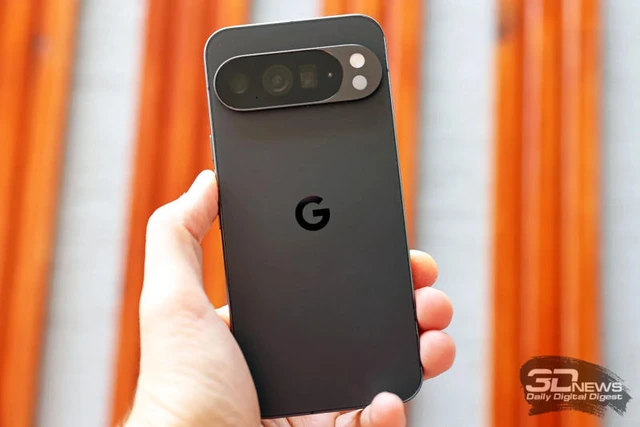 Reimagining NFC Ergonomics in the Pixel 11
The interaction between a smartphone and a payment terminal often boils down to finding an invisible sweet spot—a game of millimeters where precision determines the success of a transaction. For years, Android users have contended with a lack of standardization regarding NFC antenna placement, turning a routine payment into a tactile guessing game as they hunt for the sensor on the device's chassis. With the new Pixel 11 series, Google aims to dismantle this fundamental friction point in the user experience. Relocating the module to the top of the device signals a shift toward more intentional and predictable hardware ergonomics.
13 Aug 2026
 Mechanical Vulnerabilities of the Galaxy Z Fold 8
The foldable market is gradually evolving beyond its experimental infancy, yet hardware reliability remains its most persistent vulnerability. While Samsung continues to dominate sales figures, it is grappling with fundamental challenges in shielding internal components from environmental contaminants. A recent analysis of the Galaxy Z Fold 8 exposes a critical weakness in the hinge mechanism's resilience against microparticles—a flaw that jeopardizes not only the device's longevity but also the very notion of repairability within the premium segment.
12 Aug 2026
 Japan’s Navigational Sovereignty and Orbital Computation
In an era of systemic reliance on global positioning networks, technological sovereignty has evolved into a critical pillar of national security. Japan is pursuing a distinct strategic path with the development of QZSS—a system designed not merely as a redundant alternative to GPS, but as a tailored solution optimized for the unique topographical challenges of the Japanese archipelago. The recent deployment of the Michibiki-7 satellite marks the culmination of the network's foundational phase. Tokyo is now pivoting toward total autonomy in precision positioning, effectively insulating its critical infrastructure from the volatility of external dependencies.
12 Aug 2026
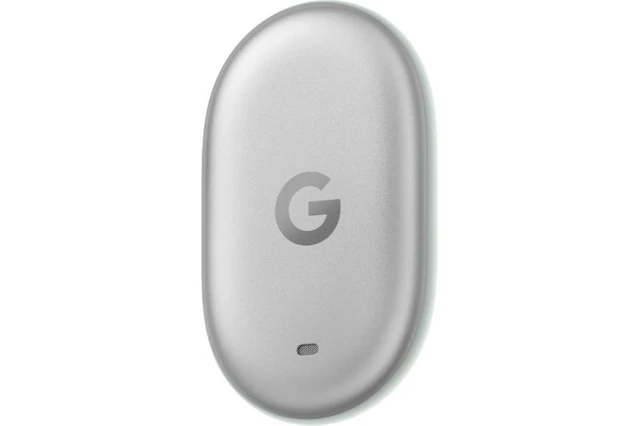 The Pixel Tag and the Evolution of Personal Trackers
For years, the item-tracking market has been the domain of walled gardens, with Apple defining the benchmarks for precision and user experience. Google is now challenging this hegemony with the introduction of the Pixel Tag—a device engineered to unify the fragmented Android landscape under a singular positioning standard. Far from being just another peripheral, the Pixel Tag represents a strategic push toward comprehensive spatial awareness, integrated seamlessly across both hardware and software. Under the hood, it leverages technologies that redefine our fundamental approach to locating misplaced items.
