Today's geopolitical tensions are permeating the deepest layers of network infrastructure, transforming commonplace routers into matters of national security. The U.S. Federal Communications Commission (FCC) has implemented stringent filters on the import of foreign hardware, demanding absolute transparency from manufacturers. In this climate, "conditional approval" has become the sole gateway to one of the world's most significant tech markets. The latest player to successfully navigate this vetting process is Asus. This milestone clears the path for the Taiwanese giant to secure a leadership position as the industry transitions toward the upcoming Wi-Fi 8 standard.
The modern networking hardware market has evolved beyond a mere arms race of specifications and throughput; it has become a battleground for regulatory trust. This year, the FCC effectively shuttered its borders to new foreign-made routers by implementing a rigorous verification system. The only gateway to market entry is now "conditional approval"—a status granted only to companies that can successfully dispel government concerns regarding device security and supply chain transparency.
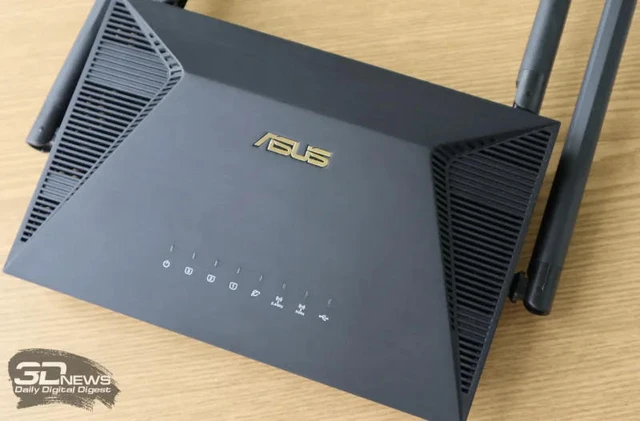
For Asus, securing this status is a pivotal milestone. The regulator has authorized the import of nearly the company's entire wireless equipment lineup. This includes the flagship RT and ROG GT series, the ROG Strix GS and TUF Gaming gaming solutions, as well as the ExpertWiFi and ZenWiFi Mesh systems for corporate and home use, and mobile 5G MiFi devices. Furthermore, access points and range extenders have also been cleared. In essence, Asus's entire current portfolio of networking solutions is now legalized for the U.S. market through March 2028.
From a security perspective, such approval is far more than a formality; it serves as a "clean bill of health." The FCC emphasizes that each decision is based on specific findings from the U.S. Department of Defense, confirming that the equipment poses no threat to national security.
For the Taiwanese manufacturer, this success is a strategic imperative. Asus has traditionally held a leading position in the high-performance router segment and is currently preparing for a major technological leap. Within the next twelve months, a new generation of devices supporting the Wi-Fi 8 standard is expected to hit the market. This protocol is designed to radically enhance the stability and reliability of wireless connections, and it is critical for Asus to remain at the vanguard of this transition with unfettered access to the American consumer.
The significance of this decision becomes even more pronounced when compared to the competition. Netgear and Amazon (via its Eero and Leo lines) had previously secured similar authorizations. However, the situation for TP-Link—the largest player in the U.S. router market—remains at a stalemate. Despite its market dominance, the company has failed to convince regulators of its lack of ties to the Chinese government and military.
This creates a paradoxical market dynamic: while TP-Link announces its first consumer Wi-Fi 8 solutions (such as the Archer 8 Ultra), it remains locked out of legal imports. Meanwhile, Asus, also introducing its Wi-Fi 8 innovations, has been given a carte blanche for expansion, effectively turning regulatory hurdles into a formidable competitive advantage.
 Texas Opens Its Skies to Air Taxis