The global consumer electronics market is grappling with a profound systemic crisis, triggered by acute shortages of memory components. Xiaomi, long the dominant force in the budget segment, has found itself at the epicenter of this turmoil, resulting in a precipitous decline in profitability. The company's efforts to diversify its portfolio via premium hardware and a strategic pivot into the electric vehicle (EV) sector have, thus far, yielded mixed results. Current financial metrics lay bare the friction of a painful transition: a shift from a volume-driven mass-market strategy toward one defined by high margins.
Xiaomi's latest quarterly report serves as a bellwether for the entire budget smartphone industry. A 43% plunge in net profit, which contracted to $922.6 million, signals a profound crisis across the entry-level and mid-range segments. While overall revenue saw a modest decline of 6.1%, landing at $16.2 billion, the core issue lies in operational efficiency. Profit margins within the smartphone division eroded from 11.5% to 8.5%—a direct consequence of memory chip shortages and the skyrocketing cost of components.
For a company whose business model has long been predicated on razor-thin margins and massive volumes, this trajectory has reached a critical inflection point. To offset mounting costs, Xiaomi was forced to revise its pricing strategy three times since the start of the year, with some models seeing immediate price hikes of up to $75. However, these measures failed to stem the tide of falling shipment volumes, which hit a low since 2013 in the second quarter, contracting by 11%. This is a systemic downturn; similar double-digit declines are being mirrored by its primary domestic rivals, Vivo and Oppo.
In an attempt to climb out of this dive, Xiaomi is accelerating its migration toward the premium segment. The Average Selling Price (ASP) of its devices rose by 25.9%, reaching the $200 mark. While this is a record high for the company, it remains three times lower than Apple's average checks. This leaves Xiaomi with significant headroom for margin expansion, but simultaneously necessitates a radical repositioning of the brand's image.
Parallel to this, the company is placing a strategic bet on an ambitious electric vehicle (EV) project—a classic example of "investing in the future" through current losses. Revenue in the automotive segment grew by 16% to $3.5 billion, yet operating losses reached $386 million, nearly nine times higher than the previous year. Despite the profit margin slipping from 26.4% to 19.2%, such figures remain acceptable for a nascent automotive player.
EV delivery volumes show growth of 28.2%, reaching 104,199 units, although the average vehicle price dipped by 9.6% to $34,000. This decline is attributed to a shift in the sales mix, as the share of high-performance SU7 Ultra sports cars in total volume decreased. Nevertheless, against the backdrop of a 22% slump in overall passenger car sales in China, Xiaomi's momentum appears optimistic.
The primary hurdle remains the annual sales target of 550,000 vehicles. To date, approximately 216,300 cars have been delivered, representing only 40% of the goal. Analysts at Deutsche Bank remain skeptical, suggesting that the actual shipment ceiling will likely not exceed 490,000 units. To hit its ambitious targets, the company would need to maintain a monthly run rate of at least 66,700 vehicles.
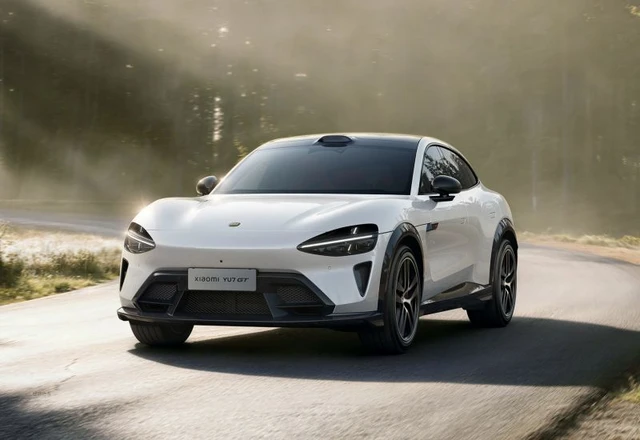
A positive signal remains the success of the debut SU7 model, which reached the 500,000-unit milestone by mid-August and maintains leadership in the electric sedan segment for vehicles priced above $30,000. The expansion of the lineup with the new Sky Nomad series hybrid SUV could be the strategic lever Xiaomi needs to overcome current stagnation and balance the costs of expansion by capturing new market niches.
 Driver Attention Monitoring in Tesla Electric Vehicles