The era of ambitious spatial computing is colliding with the cold reality of market pragmatism. Widespread downsizing across key Apple divisions signals a fundamental strategic pivot in the development of immersive technologies. The company is moving away from costly, high-risk experiments in favor of more accessible, mass-market form factors. This shift mirrors a broader global trend: functional utility and ergonomics are now taking precedence over mere technological prestige.
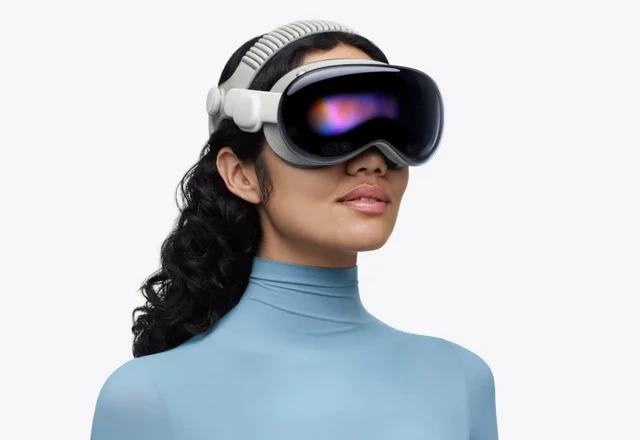
Apple's strategic pivot has manifested as a series of painful yet imperative decisions. The layoff of over 200 specialists across the Vision Pro and Siri teams is more than mere cost optimization; it is an admission that the initial trajectory of "spatial computing" was too narrow. The most significant blow fell upon gaming content developers, with nearly the entire team dedicated to immersive entertainment for the headset being disbanded.
This radical shift was triggered by the tepid reception of the Vision Pro. Despite its technical brilliance and the integration of the powerful M5 processor, the $3,490 price tag prevented the device from breaking through the "niche product" barrier. The prohibitive cost, coupled with limited use cases, transformed an innovative gadget into an expensive tool for enthusiasts rather than a mass-market hit. Consequently, Apple has been forced to pause its collaboration with Samsung Display on a more affordable XR device to fundamentally reimagine the concept of the wearable interface.
Cumbersome headsets are giving way to the concept of lightweight smart glasses. Meta's success in this segment has demonstrated that the market craves devices that augment reality without isolating the user from it. Apple is expected to unveil its vision for this form factor at WWDC 2027, with a primary focus on ergonomics and everyday utility.
Parallel to this, a fundamental restructuring of the ecosystem's intelligent core is underway. Siri's development has not ceased; rather, its very nature is evolving. Instead of a traditional voice assistant, Apple is crafting a full-fledged AI agent integrated deep within the operating system. The updated assistant with AI capabilities, introduced at the latest WWDC, is intended to be the "glue" that binds disparate services and devices into a single, adaptive interface.
Thus, we are witnessing a classic iterative cycle for a tech giant: moving from an audacious but costly prototype toward a pragmatic product tailored for the mass consumer. Apple is shifting its focus from attempting to build a "new computer" in the form of a headset to creating an invisible yet ubiquitous intelligence layer that accompanies the user in their natural environment.
 Anthropic’s Strategic Push for Hardware Independence