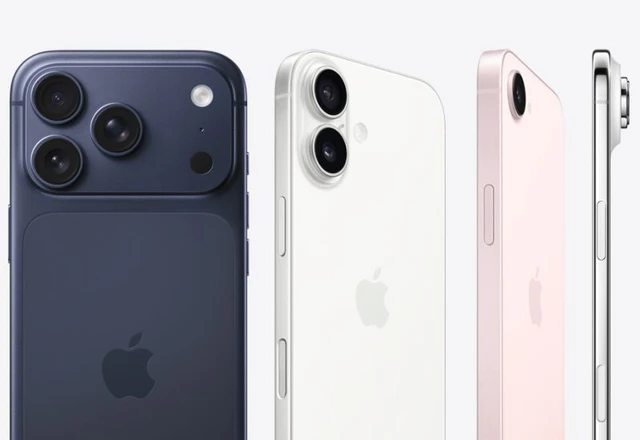
The foldable device market has definitively shifted from a period of daring experimentation into a phase of rigorous optimization and the pursuit of the definitive form factor. Amidst this race for ergonomic perfection and raw performance, Xiaomi is taking a strategic leap—overhauling not just the aesthetics of its flagships, but the very foundation of their hardware architecture. Early insights into the Mix Fold 5 signal a profound transformation in the conceptualization of large-format smartphones; the objective has evolved beyond merely expanding screen real estate toward the engineering of a self-contained technological ecosystem.
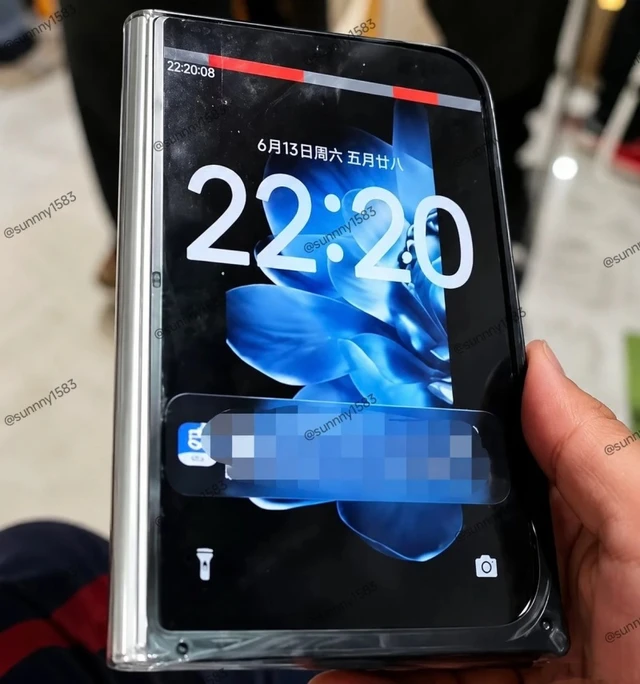
The mobile tech landscape is no stranger to premature leaks, and the case of Xiaomi's new foldable—codenamed "Ihasa"—is no exception. Engineering samples surfacing online offer a glimpse into the company's software roadmap: the device runs HyperOS 4 based on Android 17. This forward-looking version underscores a long-term development cycle and the brand's ambition to synchronize its flagship launches with Google's latest OS updates.
Perhaps the most intriguing aspect of the upcoming release is a potential pivot away from traditional reliance on third-party chipmakers. While the mainstream Xiaomi 18 lineup will likely stick to established flagship solutions from Qualcomm, the Mix Fold 5 may integrate Xiaomi's proprietary Xring O3 processor. This shift toward in-house silicon signals a drive toward full vertical integration, allowing for finer tuning of hardware-software synergy—particularly in the complex multitasking scenarios inherent to foldable displays.
The device's physical evolution also marks a departure from previous design canons, favoring a wider yet more compact chassis. The main foldable display is expected to measure between 7.5 and 7.6 inches, a move intended to optimize the aspect ratio and make tablet-mode usage feel more intuitive.
The technical specifications of the Mix Fold 5 promise to be uncompromising. At the center of attention is an optical array featuring a 200-megapixel primary sensor developed in close partnership with Leica. A horizontal camera module layout will serve as the visual signature of the new series. To power such a massive screen, the device will feature a 6,000 mAh battery with wireless charging support—a critical benchmark for devices in this category.
Further refinements include comprehensive water resistance and the relocation of the fingerprint scanner to the side frame—a decision driven by ergonomics and accessibility across various grip styles.
Although an official announcement is not expected until August 2026, preliminary pricing suggests a clear premium positioning: the estimated cost in the Chinese domestic market will be around 10,000 yuan (approximately $1,475). Consequently, Xiaomi is preparing more than just a model refresh; it is crafting a technological manifesto that fuses proprietary computing power and cutting-edge optics within a more refined form factor.
 Energy Autonomy: The Extreme Edition