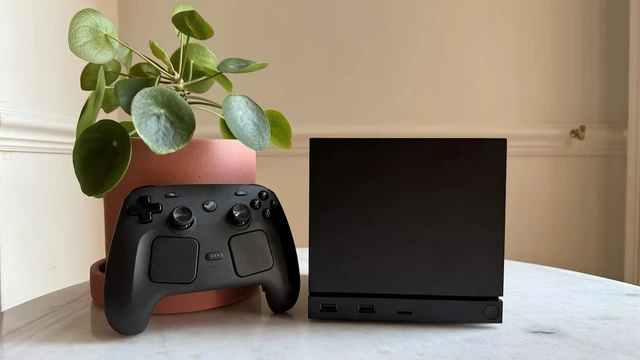
The ambition to forge a closed gaming ecosystem inevitably collides with the harsh reality of software fragmentation. Valve’s Steam Machine was envisioned as a bridge, merging the seamless experience of a console with the raw power of a PC; however, the reliance on the Linux-based SteamOS introduced significant friction for the end user. The release of official Windows drivers is a game-changer, transforming a niche, specialized device into a versatile workstation. While this move unlocks the industry's most expansive software library, it simultaneously shifts the burden of configuration and optimization onto the user.
Valve’s philosophy has long been a balancing act between carving out a curated, controlled ecosystem and championing open standards. The Steam Machine, powered by the proprietary SteamOS, is the physical manifestation of this tension. However, the realities of the modern gaming landscape—particularly within the realm of competitive multiplayer—impose their own constraints. Most anti-cheat systems operate deep within the Windows kernel, rendering them fundamentally incompatible with the modified Linux architecture upon which SteamOS is built. Consequently, gamers seeking a comprehensive online experience found themselves at a technological impasse.
The remedy arrived in the form of a dedicated Windows driver package. By providing the necessary components for the GPU, Wi-Fi and Bluetooth modules, and the SD card reader, Valve effectively transformed the Steam Machine from a niche, single-purpose appliance into a fully capable compact PC. Yet, the company maintains a cautious distance; while they provide the tools, Valve offers no official support for the Windows installation process on either the Steam Machine or the Steam Deck, leaving such endeavors to the enthusiast community.
The migration to Windows is fraught with technical hurdles that underscore the current immaturity of the software ecosystem. A primary pain point is the absence of a turnkey dual-boot installer. Although the hardware is capable of running both operating systems in parallel, installing Windows currently necessitates a complete wipe of the Steam Machine’s data. A robust mechanism for OS coexistence is slated for integration into SteamOS only once development is finalized.
The installation process itself demands a certain level of technical proficiency. Accessing the boot menu requires the user to trigger the Escape key during power-up. A particularly frustrating bottleneck occurs during Windows activation: entering a license key requires network access, yet the Wi-Fi drivers remain inactive until the system installation is complete. This creates a classic "catch-22" scenario, solvable only through a wired Ethernet connection.
From a market perspective, the Steam Machine is positioned as a premium offering, with pricing ranging from $1,049 to $1,349 depending on the SSD capacity and controller bundle. However, this premium price tag did not insulate the device from early-stage instability. Shortly after launch, the community began reporting the emergence of the so-called "red stripe of death"—a critical failure indicator signaling severe hardware malfunction.
Ultimately, Valve is granting its users the freedom of choice, allowing them to bypass the constraints of SteamOS in favor of Windows compatibility. However, this autonomy comes at a price: it demands a willingness to engage in manual configuration and a tolerance for the inherent instability of early-generation hardware.
 The Price of Acceleration: CXMT’s Rapid Push into Memory