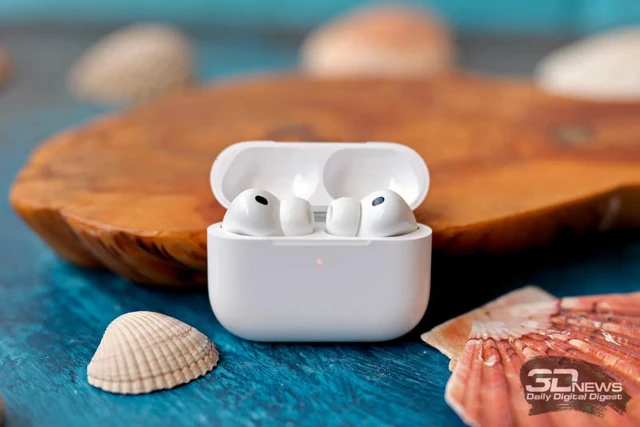
The boundary between audio interfaces and visual perception is rapidly dissolving, transforming wearables into comprehensive sensory systems. Apple has long sought to merge its accessory ecosystem with the concept of ambient intelligence—a vision where devices perceive the world through the user's own eyes. The integration of cameras into headphones promises a fundamental shift in our interaction with augmented reality and artificial intelligence. Latest insights suggest that this ambitious project may hit the market significantly sooner than previously anticipated.
The concept of integrating cameras into earbuds transcends the mere addition of a new hardware module; it represents a strategic pivot toward a multimodal AI ecosystem capable of real-time visual data analysis. In this paradigm, AirPods evolve from simple audio peripherals into intelligent assistants capable of object recognition, text synthesis, and environmental description—providing users with seamless contextual support without the need to glance at a smartphone screen.
For years, such innovations were relegated to the realm of distant prototypes, thought to be several years away from commercial viability. However, internal leaks and deep-dives into software code reveal a bifurcated development strategy. The first path—represented by model B798—is a high-end iteration with expanded capabilities slated for 2027. This timeline underscores the formidable engineering hurdles involved in managing power consumption and video processing within such a constrained form factor.
Concurrently, Apple is developing a more streamlined or entry-level variant, designated as B790. This model has sparked significant interest after being spotted directly within the iOS source code. In the world of Apple leaks, the presence of a product in system files typically indicates that a device has moved beyond the conceptual phase and is currently in final testing or pre-release preparation. There is a strong probability that this version will debut as early as this year.
The technical requirements of such a device inevitably necessitate a shift in industrial design. To accommodate optical sensors and ensure an adequate field of view, Apple plans to extend the length of the earbuds' stems. This adjustment is driven not only by physical dimensions but also by ethics and privacy; an integrated LED indicator will be incorporated to notify bystanders whenever data is being recorded or transmitted to the cloud.
This move positions Apple to counter a new wave of AI wearables aiming to disrupt the smartphone hegemony. The company's competitive edge, however, lies in its deep vertical integration of hardware and software: the visual AI model will operate seamlessly within the ecosystem, offloading computationally intensive tasks to the iPhone while the earbuds serve as high-tech sensory peripherals.
 Analog Aesthetics in Digital Execution