The virtual reality market currently stands at a critical juncture, caught between the allure of mobile autonomy and the uncompromising performance of tethered systems. Valve, the primary architect of the Steam ecosystem, has long been engineering a solution designed to bridge this divide. A recent accidental leak of setup documentation for the new "Steam Frame" headset has pulled back the curtain on a device poised to be a genuine game-changer. We now have a clearer picture of the key specifications and functional capabilities of this upcoming hardware.
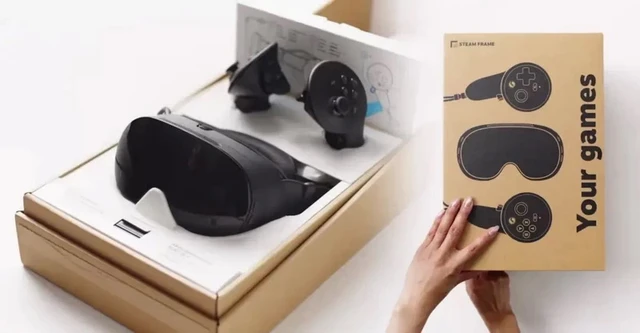
The industry is well-acquainted with Valve's penchant for strict secrecy, yet a technical glitch during an update to the Arm version of the Steam client has provided a brief but revealing glimpse into the company's roadmap. Official unboxing and setup videos for the "Steam Frame" were inadvertently leaked to the public. Although moderators acted swiftly to scrub the content, the community managed to capture enough detail to construct a comprehensive profile of the device.
At its core, the Steam Frame utilizes a hybrid architecture. The device is engineered to operate in two distinct modes: as a fully autonomous system powered by Arm, and as a wireless peripheral for a full-scale PC. The foundation of its standalone mode is the Qualcomm Snapdragon 8 Gen 3—one of the most potent chips in the mobile sector—ensuring high performance paired with optimized power consumption. Visual fidelity is delivered via LCD panels with a resolution of 2160 × 2160 pixels per eye, aimed at achieving crisp image clarity and minimizing the "screen-door effect" that plagued earlier generations of VR.
Valve has placed significant emphasis on interoperability with external systems. A dedicated wireless adapter is used for data streaming from a computer or a Steam Machine. According to developer documentation, the device will support full game streaming under both Windows and Linux, underscoring the company's commitment to cross-platform openness.
The ergonomics of the Steam Frame have been meticulously crafted to accommodate a broad user base. The leaks reveal sophisticated mechanisms for adjusting the interpupillary distance (IPD) and articulated head straps that allow for a precise, secure fit. A key addition for accessibility is a specialized spacer for the facial interface, designed specifically for users who wear corrective eyewear.
Beyond the base kit, Valve is preparing a comprehensive suite of accessories to optimize the user experience. This includes additional controller straps and a reinforced top head strap designed to redistribute the device's weight and reduce strain on the cervical spine. Additionally, an extended light-blocking nose shield is included to ensure a tighter seal, preventing external light from bleeding into the field of view.
The emergence of the Steam Frame appears to be the natural culmination of Valve's strategy to build a proprietary hardware ecosystem. Alongside the upcoming Steam Machine mini-PC, this headset is positioned as the primary gateway into high-end VR, granting users the flexibility to choose between mobility and raw processing power. While official pricing and exact release dates remain undisclosed, confirmed shipping timelines point toward the summer, making the coming months pivotal for the entire virtual reality segment.
 The Evolution of Apple's Augmented Reality Ecosystem