The evolution of the Linux ecosystem is governed by rigorous release cycles, where each version serves a distinct, strategic purpose. As an interim release, Ubuntu 25.10 "Questing Quokka" is now drawing to its inevitable conclusion. For users, this moment represents a critical pivot—a transition from the agile testing of cutting-edge innovations to the pursuit of uncompromising stability. In today's threat landscape, a timely migration to the latest LTS version is no longer a mere recommendation; it is a fundamental cybersecurity imperative.
Canonical’s development strategy is defined by a sharp dichotomy between Long Term Support (LTS) releases and interim versions. While the former are engineered for the multi-year stability required by the enterprise sector and cloud infrastructures, the latter—such as Ubuntu 25.10—serve as a proving ground for bleeding-edge software and new kernel features. However, this commitment to technological currency comes at a cost: a truncated lifecycle. Support for the "Questing Quokka" desktop edition is limited to just nine months.
On July 9, 2026, this version will officially reach End of Life (EOL). From that moment, Canonical will cease all security patches and critical bug fixes. It is important to realize that the system won't stop functioning overnight; rather, it will begin a process of "silent degradation."
The primary risk is the emergence of a vulnerability window. Any security flaw discovered after the EOL date will remain unpatched, rendering the system a prime target for exploits. This is further complicated by the fact that third-party developers and PPA maintainers typically align their support cycles with Canonical’s official timelines. Eventually, the APT repositories for this series are moved to the archives, transforming the installation of even basic software into a laborious process requiring manual configuration file edits.
The case of Snap packages is particularly interesting. Due to their sandboxed nature, applications in this format—such as the Firefox browser—will continue to receive updates regardless of the OS version. However, there is a critical dependency on snapd, the core engine updated via standard APT repositories. If a new application version requires features from an updated snapd that is no longer provided for Ubuntu 25.10, the software will simply fail to launch.

The only logical resolution is a migration to Ubuntu 26.04 LTS "Resolute Raccoon." Returning to long-term support restores a sense of stability and security: the standard update cycle for desktops spans five years, which can be extended to a decade with an Ubuntu Pro subscription.
"Resolute Raccoon" offers more than just stability; it represents a significant technological leap. Users gain an updated Linux kernel and a current Hardware Enablement (HWE) stack, which is critical for those running modern hardware. Particular attention has been paid to development tools: the NVIDIA CUDA and AMD ROCm platforms are now integrated directly into the official repositories. Deploying an environment for neural networks and high-performance computing is now reduced to a single apt install command, significantly streamlining the workflow for data scientists and ML engineers.
The visual experience has also seen targeted refinements. "Resolute Raccoon" introduces updated folder icon designs, and terminal interaction has become more transparent—when using the sudo command, users can now see the password as they type, eliminating frustrating typos.
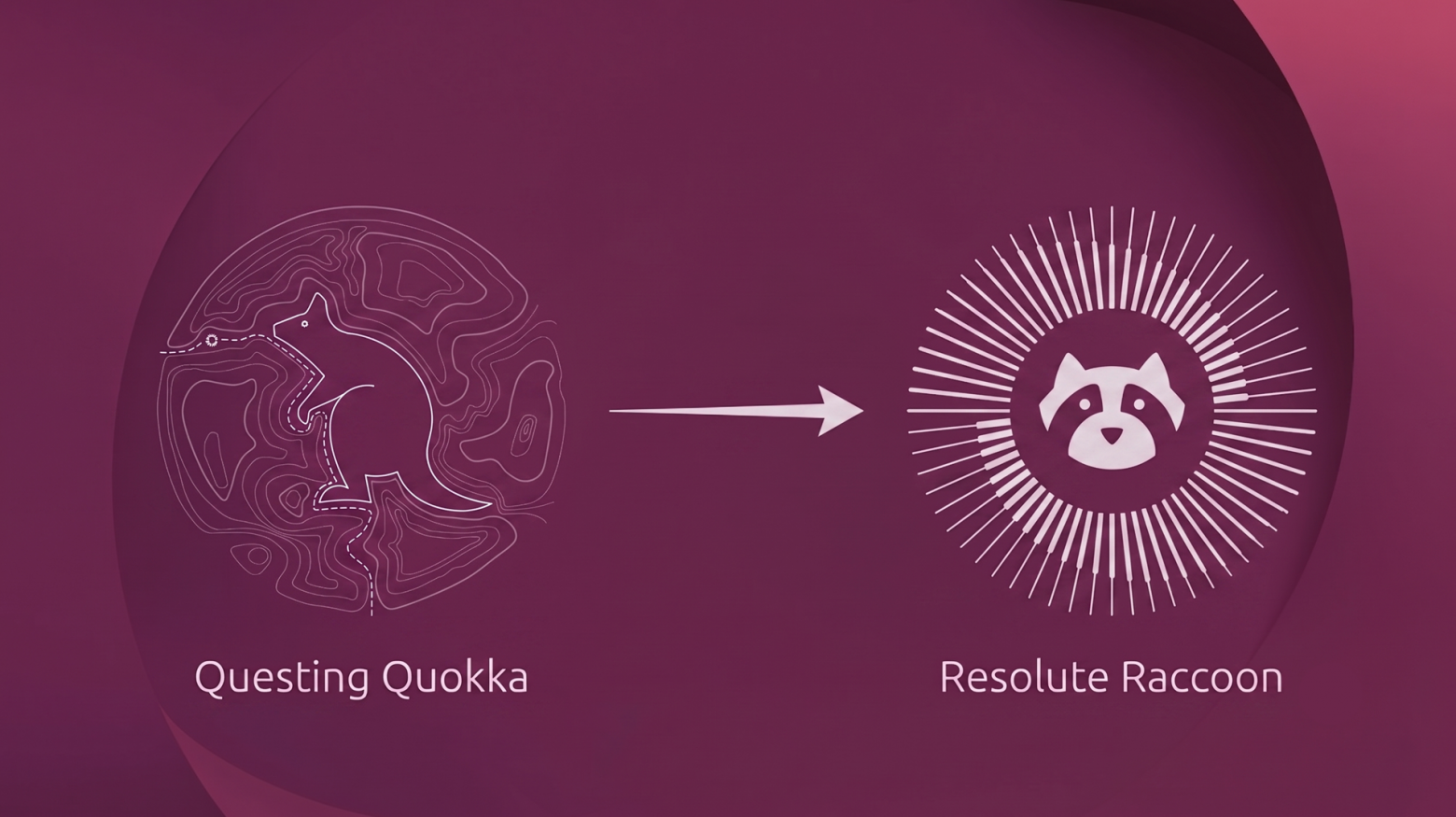
The migration process has officially launched and is available via the standard "Update Manager." Despite the automation, upgrading to a new major OS version always carries a degree of risk. It is highly recommended to start with a full backup of critical data and configurations, install all available updates for the current version, and verify available disk space on the system drive.
For those who prioritize predictability and the security of their digital environment, upgrading to 26.04 LTS is the only viable path, allowing users to forget about system upgrades for several years to come.

 The Price of Acceleration: CXMT’s Rapid Push into Memory