The global memory market is undergoing a tectonic shift, driven by the explosive expansion of artificial intelligence infrastructure. NAND manufacturers have pivoted their priorities toward the data center sector, leaving the consumer market grappling with acute shortages. Consequently, the traditional retail SSD market has effectively ceased to exist in any recognizable form; high-performance solutions once destined for enthusiasts are now increasingly locked within pre-built systems from the industry's largest OEM vendors.
The storage industry has entered a paradoxical predicament: while overall demand for drives remains steady, the traditional pipeline from the production line to the retail shelf has been severed. According to leadership at Silicon Motion, a pivotal player in controller development, the retail market for consumer SSDs has effectively evaporated in the first half of 2026. This does not imply a physical shortage of devices, but rather a fundamental collapse of established supply chains.

At the heart of this crisis lies a fierce battle for resources. In an effort to maximize margins during the generative AI gold rush, NAND flash manufacturers have redirected the bulk of their chip production toward enterprise solutions for data centers. Server-grade drives offer significantly higher profitability and are mission-critical for training neural networks, relegating consumer PCs to a secondary priority for semiconductor giants.
This strategic pivot created a structural void, forcing computer OEMs—titans such as Dell, HP, Asus, and Acer—to overhaul their sourcing strategies. Previously, these companies could procure NAND chips directly from manufacturers, allowing them to define their own hardware specifications. Now, faced with scarcity, they have turned to Original Design Manufacturers (ODMs) like Biwin and Powertech Technology.
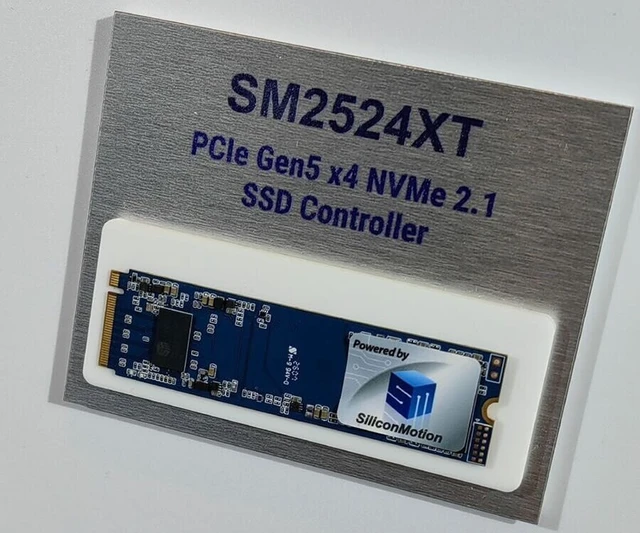
ODMs have traditionally operated as intermediaries, crafting turnkey SSD solutions based on Silicon Motion or Phison controllers for retail brands like Kingston. However, these same ODM vendors have now become the sole reliable source of supply for PC manufacturers. The result is a form of market cannibalization: high-performance drives equipped with advanced cooling systems, which were once sold in retail boxes to enthusiasts, are now being integrated en masse into factory-built laptops and desktops.
For the end user—specifically those who prefer custom builds or system upgrades—the situation is concerning. Access to premium components in the retail sector is severely limited, as the entirety of the ODM sector's output is being consumed by the sheer volume of OEM corporate contracts.
Nevertheless, for controller architects like Silicon Motion and Phison, this tectonic shift is far from a catastrophe. While retail unit sales may show signs of stagnation, the explosive growth in demand for server-side solutions more than compensates for the loss. The market is not so much shrinking as it is redistributing, shifting its gravitational center away from home offices and gaming rooms toward the sterile aisles of hyperscale data centers, where a new era of computing is unfolding.
 The Speed Limits of Modern Gaming Displays