The contemporary technological landscape is accelerating toward a state of total vertical integration. Elon Musk, a catalyst for disruption across multiple industries, may be poised for his most audacious maneuver yet: the consolidation of SpaceX and Tesla into a unified conglomerate. Such a merger would forge an entity with unparalleled leverage over the trajectory of both terrestrial and extraterrestrial technological evolution. Driving this strategy is a quest for absolute synergy—a seamless convergence of artificial intelligence, robotics, and aerospace engineering.
The concept of a hypothetical "Elon Inc" has evolved from a bold speculation into a subject of rigorous analysis. A potential merger between SpaceX and Tesla could give rise to a corporate behemoth with a market capitalization approaching $4 trillion. This would be more than a mere consolidation of two successful enterprises; it would be a strategic move to create a closed-loop ecosystem where resources, data, and engineering talent circulate within a single, integrated perimeter.
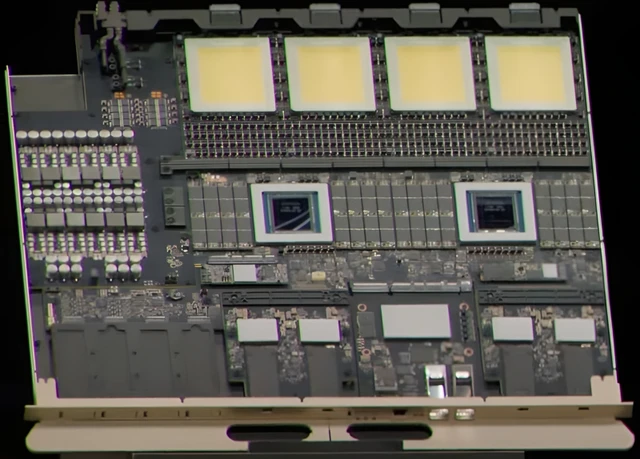
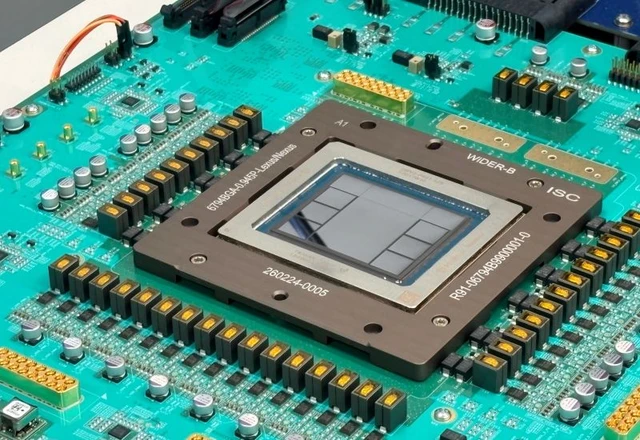
On an operational level, these two entities have long functioned as a symbiotic organism. They actively engage in the cross-pollination of expertise and personnel, with near-term plans including the joint development of cutting-edge AI chips at the TeraFab facility in the U.S., leveraging Intel's technology. Furthermore, Tesla already holds a stake in xAI, which is itself deeply integrated into the SpaceX structure. This intricate web of assets makes a formal merger the logical culmination of a process that began long before any official discussions.
The legal landscape is nuanced, but regional legislation plays directly into Musk's hands. Both companies are incorporated in Texas, where corporate law provides significant advantages to majority owners and management, leaving minority shareholders with limited recourse. To file a lawsuit against management's actions, an investor must hold at least a 3% stake. Given Tesla's current $1.5 trillion valuation, this threshold equates to assets worth $45 billion. Such a staggering sum can only be amassed by the world's largest investment firms, such as Vanguard or Fidelity, which traditionally avoid open conflict with corporate leadership.
The merger mechanism would likely be executed via a stock swap. For SpaceX, such a transaction is straightforward, as Musk controls 82% of the voting power. The situation at Tesla is more complex; under Texas law, a deal of this magnitude requires the approval of two-thirds of the shareholders. However, considering Musk holds approximately 20% of the votes and the majority of other investors exhibit a near-religious devotion to his vision, overcoming this hurdle is entirely feasible. The support of a board of directors composed of long-standing confidants, including figures like Rollo Botla, further solidifies the CEO's position.
The resulting unified structure would become a comprehensive engine for shaping the future. A single portfolio would encompass orbital launches, Starlink’s global satellite connectivity, the pursuit of Artificial General Intelligence (AGI), and a massive computational infrastructure. Added to this would be the production of robotaxis, electric vehicles, solar-based energy systems, stationary storage, and the X social network. A pivotal role in this hierarchy would be played by the Optimus humanoid robots—the tangible manifestation of AI in the physical world, merging Tesla's mastery of automation with SpaceX's expertise in complex autonomous systems.
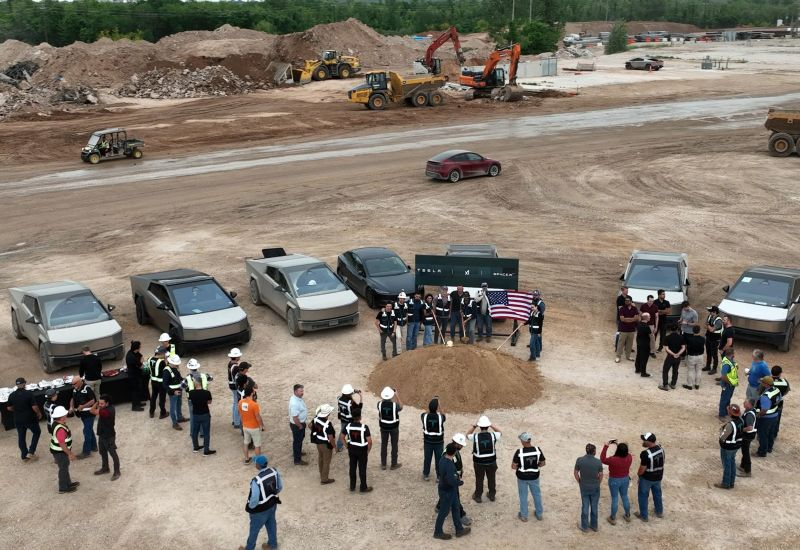
Naturally, the path toward such a super-conglomerate is fraught with risk. The primary obstacle lies with U.S. federal regulators. Antitrust authorities may view the union of two leaders in AI and high-tech manufacturing as a direct threat to competition. Moreover, the concentration of such colossal influence over national security in the hands of a single individual will inevitably trigger scrutiny from government agencies.
Nevertheless, the current political zeitgeist in the U.S., particularly under the Trump administration, creates a favorable environment for Musk. It is probable that state organs will exercise forbearance in their attempts to curb the entrepreneur's expansion. European regulators, known for their rigidity, are also unlikely to block the deal, as proving a dominant market position across every one of the company's diverse sectors would be an immense legal challenge.
Ultimately, the success of "Elon Inc" hinges on market dynamics. As long as investors believe in the potential of SpaceX and Tesla, their valuations will climb, smoothing the path toward a merger. However, any sharp correction in stock prices or a systemic crisis in one of their core industries could render the deal economically unviable. But if Musk manages to navigate these barriers, the world will witness the birth of a corporation whose scale dwarfs anything seen since the Industrial Age.
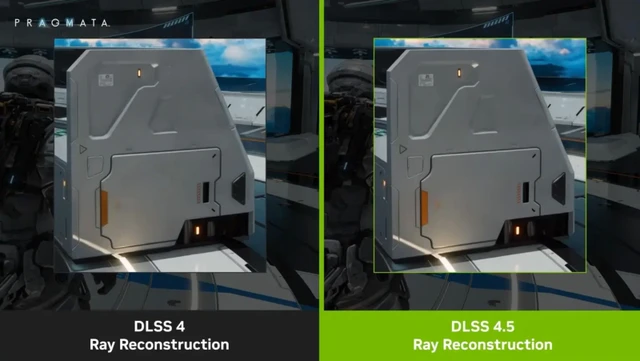 The Evolution of Rendering in DLSS 4.5