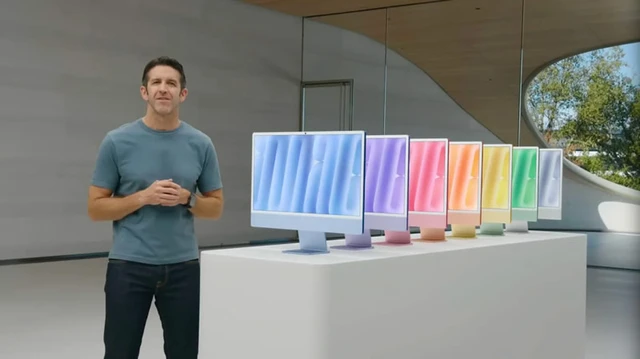
The global television market is undergoing a fundamental transformation, one where hardware specifications are no longer the sole benchmark of success. Despite rising component costs, the industry has demonstrated surprising resilience, with shipment volumes reaching peaks not seen since the pandemic era. Today, the competition extends beyond mere pixel brightness; it is a struggle for dominance over content ecosystems and advertising services. This shift signals a strategic pivot from the simple sale of devices toward the orchestration of comprehensive digital platforms.
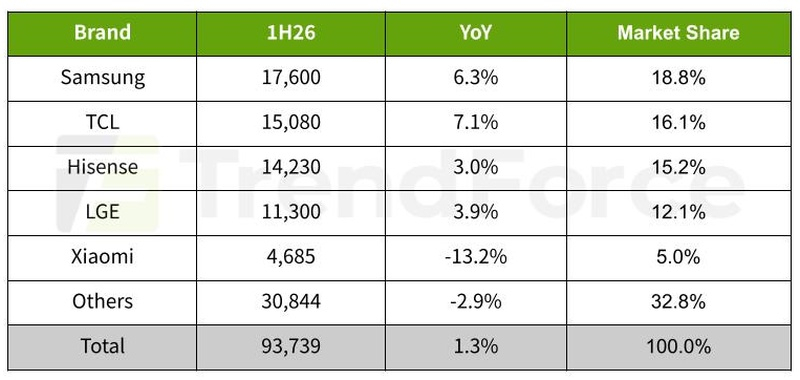
The contemporary visual technology landscape is facing a significant economic headwind: the skyrocketing cost of semiconductor memory has become a formidable barrier for manufacturers. While this led to a slight dip in quarterly shipments during the second quarter of 2026, the overall trajectory for the first half of the year remains positive, with total market volume reaching 93.74 million units—the strongest performance seen in several years.
This environment has highlighted a stark market polarization. While tier-two brands are seeing their profitability erode due to the high cost of components, tech giants are leveraging their pricing advantages and economies of scale to consolidate their dominance. The industry has reached a consensus: the future lies not in a raw "megapixel race," but in the seamless integration of hardware, intelligent platforms, and content services. The Smart TV is evolving from a mere feature of the television into a strategic vehicle for monetization via advertising and subscription models.
Samsung continues to maintain its status as the undisputed leader, posting a 6.3% increase in shipments to 17.6 million units. The company's strategy relies on granular premium segmentation; Neo QLED, OLED, and RGB Mini LED allow them to address a wide spectrum of consumer expectations. Particularly impressive is the success of the Mini LED segment, where shipments surged by over 200% year-over-year, validating the strategic pivot toward higher panel brightness and contrast.
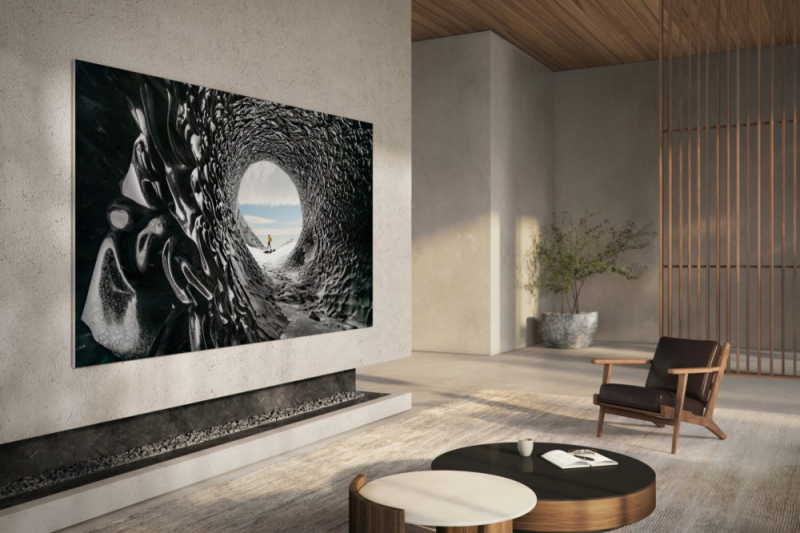
TCL is currently demonstrating the most aggressive growth trajectory. With a 7.1% increase in shipments (reaching 15.08 million units), the company has become the fastest-growing player among the market leaders. TCL's success is driven by a flexible regional strategy and a decisive move into higher price brackets. The implementation of SQD Mini LED and QLED technologies has allowed the brand to transcend its reputation as a "budget-friendly alternative" and emerge as a serious contender in the premium space, all while maintaining the popularity of its compact FHD QLED models in mass-market segments.
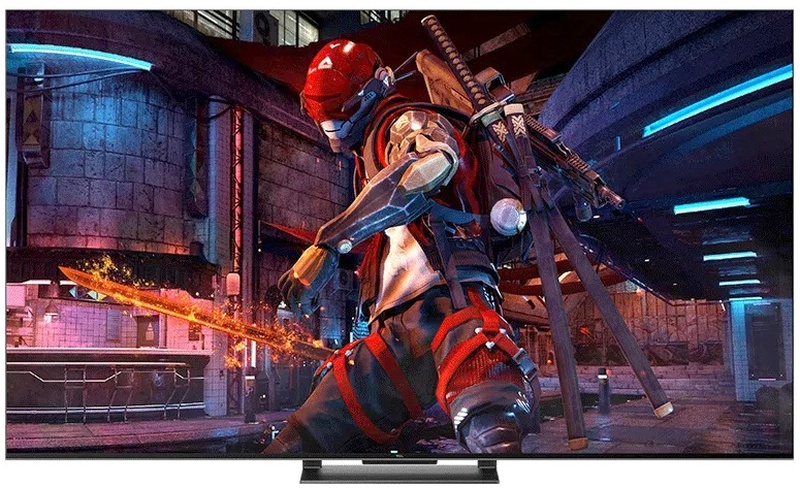
Hisense, meanwhile, has leveraged scale and a technological edge in RGB Mini LED. Shipments rose to 14.23 million units, with the brand effectively dominating the niche for ultra-large screens with diagonals of 100 inches and above. The Hisense strategy involves expanding the RGB Mini LED lineup beyond flagship models, making premium quality accessible to a broader user base. A further growth catalyst has been sophisticated marketing tied to major global sporting events, which traditionally stimulates demand for massive panels.
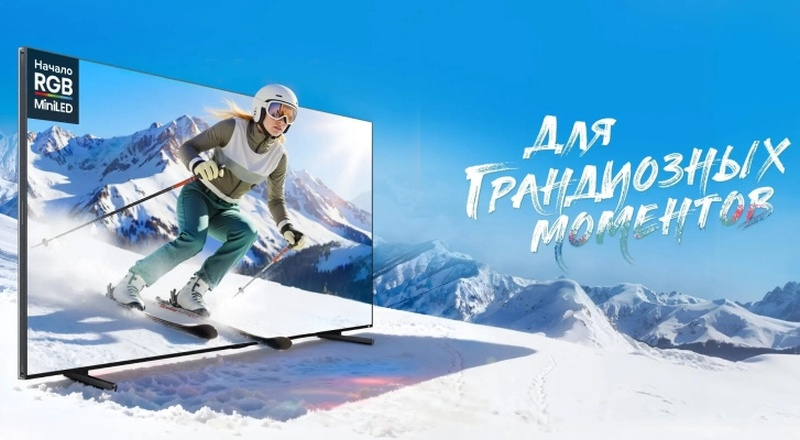
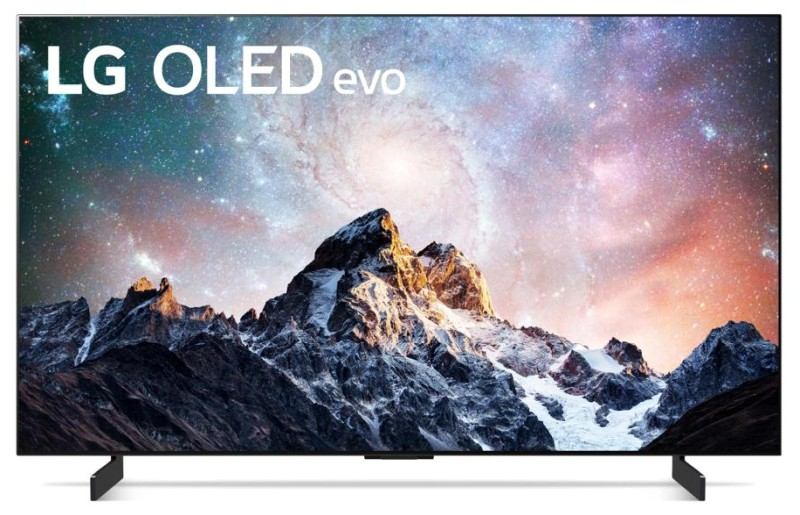
LG is undergoing a period of strategic transformation. Despite its historical leadership in OLED, the company has begun actively diversifying its portfolio by introducing Mini LED into the premium segment. A rise in shipments to 11.3 million units is accompanied by a paradigm shift: LG is now developing two parallel tracks to maximize its presence in the high-end price range. By the end of 2026, LG's Mini LED TV shipments are expected to triple compared to the previous year.
2026 has proven to be an inflection point for RGB Mini LED technology. Once the exclusive domain of ultra-premium flagships, it is now becoming a mass-market standard for Samsung, TCL, Hisense, and Sony. Falling production costs and intensifying competition are making this technology accessible to the wider market, as evidenced by revised forecasts suggesting RGB Mini LED shipments could approach 2 million units.
Despite these optimistic technological trends, overall market demand is showing signs of saturation. Global TV shipments are projected to decline slightly to 194.65 million units. In this climate, manufacturers will be forced to identify new growth levers, shifting the focus from unit volume to increasing the intrinsic value of devices through the adoption of QLED, Mini LED, and the development of service-driven ecosystems.
 The Phenomenon of the Foldable iPhone Ultra