For years, the foldable device market served as a proving ground for technological experimentation, with Samsung reigning as its undisputed leader. The current surge of interest in the latest Galaxy Z series signals a pivotal shift: flexible displays are evolving from exotic novelties into mainstream premium staples. Record-breaking pre-orders underscore the maturity of a form factor that is beginning to fundamentally reshape user behavior. Yet, amidst this momentum, the industry remains in a state of anticipation, awaiting moves from Apple and Google—players whose full entry into the arena could radically redefine the mobile landscape.
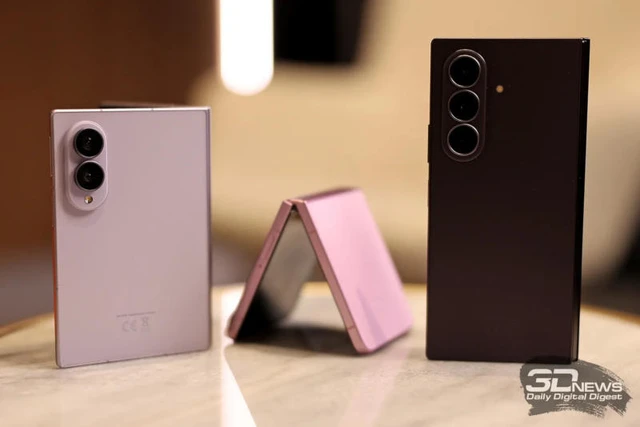
Samsung’s latest generation of foldables—the Galaxy Z Fold8, Z Fold8 Ultra, and Z Flip8—is generating unprecedented market momentum. According to internal data, pre-order volumes for these models are poised to eclipse all previous benchmarks for the Z series. The large-format Galaxy Z Fold8 has been particularly successful; alongside the Ultra variant, it has seen a 30% surge in pre-orders compared to its predecessors. Notably, nearly half of this demand is concentrated on the base Fold8, whose dimensions closely mirror those of a standard passport, making the device significantly more ergonomic and practical for daily use.
This trend signals a pivotal shift in consumer behavior. This year has seen a threefold increase in users migrating from the compact "clamshell" Flip segment toward the larger-format Fold and Fold Ultra solutions. It suggests that the market is finally moving beyond mere curiosity regarding flexible displays; users are beginning to prioritize the functionality of a pocketable tablet over the sheer compactness of a traditional smartphone.
However, Samsung's era of uncontested hegemony is drawing to a close. Competition in the foldable segment is set to become cutthroat. The upcoming debut of the Google Pixel 11 Pro Fold is expected to introduce a more elongated form factor, mirroring that of the Galaxy Z Fold8 Ultra. Yet, the primary catalyst for change will likely be the September launch of Apple's first foldable iPhone. Analysts believe Apple will opt for proportions similar to the classic Fold8, potentially providing the "legitimacy" the category needs to win over a more conservative audience.
While foldables still represent a fraction of the market compared to traditional slab smartphones, the growth potential remains immense. Samsung has long maintained leadership in the US, significantly outpacing Motorola and Google, but Apple's entry is poised to rewrite the rules of engagement. The Cupertino giant's foray into this segment will likely trigger a sharp increase in overall foldable sales, transitioning these devices from premium accessories into the new standard for the mobile industry.
 The Evolution of Apple's Augmented Reality Ecosystem