The contemporary gaming peripherals market has long since evolved beyond the mere arms race of raw specifications, shifting its focus toward the pursuit of absolute ergonomic comfort. Among the most persistent challenges during marathon gaming sessions is palmar hyperhidrosis—excessive sweating that directly compromises input precision and degrades the overall tactile experience. The South Korean brand Pulsar offers a radical solution to this issue by integrating an active cooling system directly into the device's chassis. This collaboration with Noctua transforms a standard input tool into a sophisticated piece of thermal management hardware.
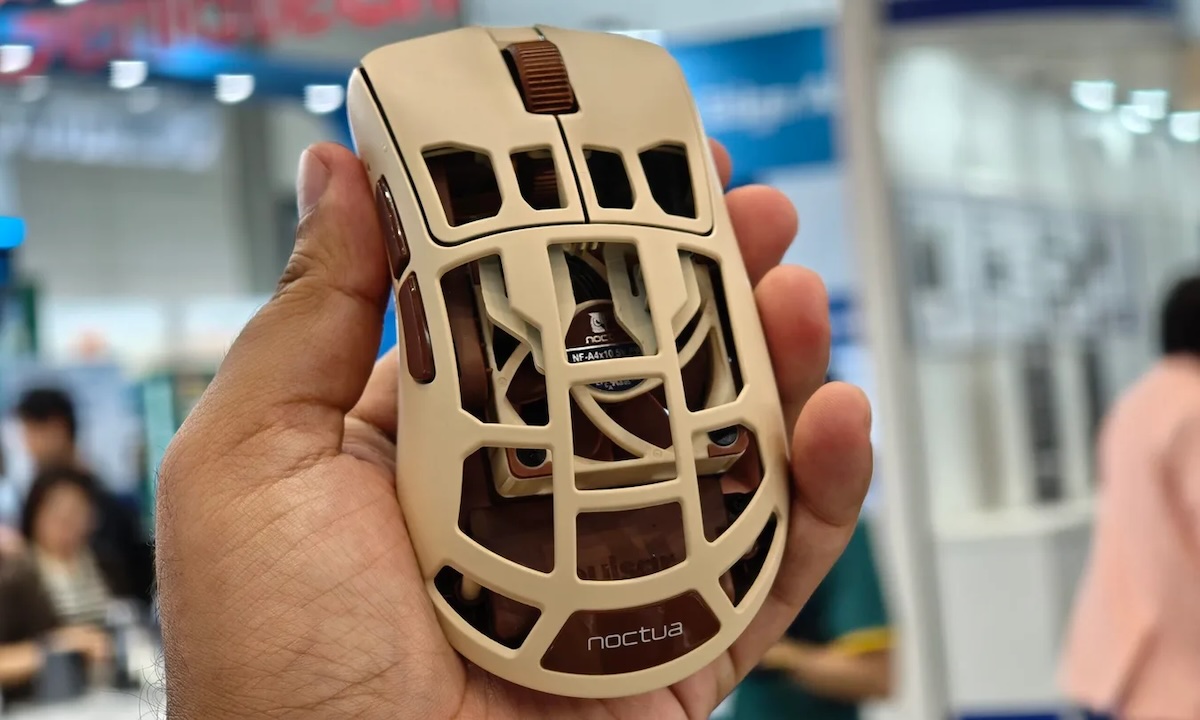
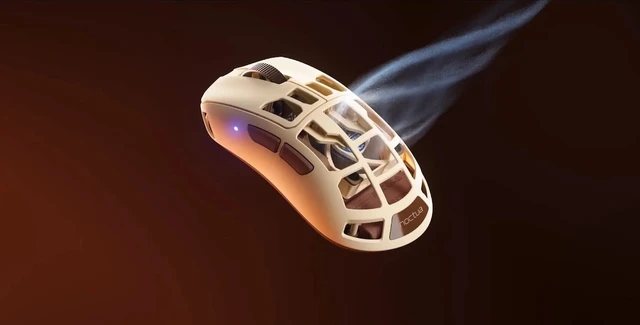
The engineering philosophy behind the Feinmann F01 Noctua Edition centers on a direct approach to thermal management: delivering targeted airflow directly onto the gamer's skin. At its core lies the NF-A4x10 5V PWM fan from Noctua—a brand widely regarded as the industry benchmark for efficiency and acoustic performance. To ensure structural rigidity without compromising weight, the chassis is crafted from a carbon fiber composite, which effectively channels the airflow while suppressing unwanted vibrations.
The cooling system is far from static; users have access to five distinct fan speed profiles. This allows for granular control over airflow intensity based on ambient temperatures or the level of physical exertion during intense gaming sessions. Empirical testing confirms that a constant, gentle stream of air significantly reduces palm perspiration and prevents skin overheating—factors critical to maintaining consistent grip stability.
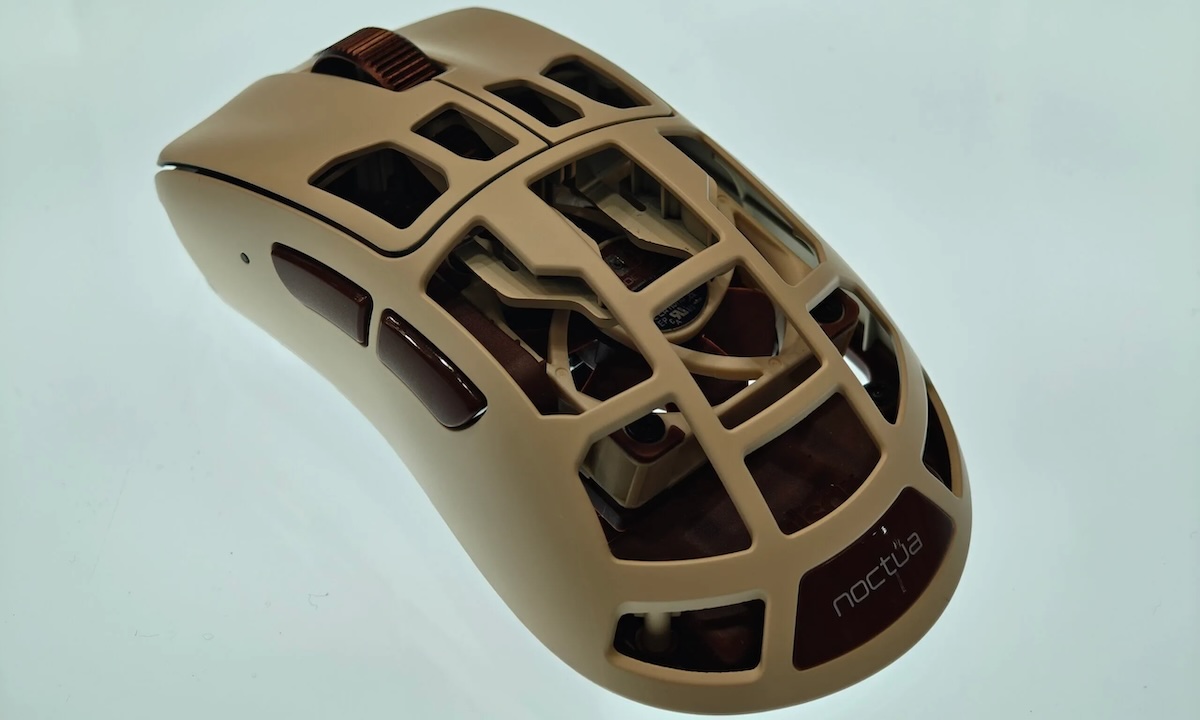
Parallel to these thermal advancements, the device has undergone a comprehensive hardware overhaul. This iteration features the XS-2 sensor, boasting a resolution of up to 42,000 DPI, placing it among the most precise instruments currently on the market. High-speed data processing is handled by the 54L15 microcontroller, enabling a polling rate of 8,000 Hz. Coupled with Pulsar’s proprietary optical switches, this ensures near-instantaneous response times and eliminates the "double-clicking" issues inherent in mechanical alternatives.
However, such technological progress comes at the cost of mass. The Feinmann F01 Noctua Edition weighs approximately 73 grams, a notable increase over the standard version's lean 46 grams. This weight gain is attributed not only to the fan itself but also to the additional power delivery and cooling control components. In an era obsessed with "ultra-lightweight" mice, this is a bold strategic pivot, shifting the priority from raw device inertia to the physiological comfort of the user.
Given that the base Feinmann F01 is priced at $180, the Noctua modification will undoubtedly occupy the premium tier of the market. This device is not aimed at the mass consumer, but rather at enthusiasts and professional gamers for whom the microclimate at the point of contact with their peripheral is as vital as the precision of the sensor itself. The official market launch is scheduled for July 21, 2026.
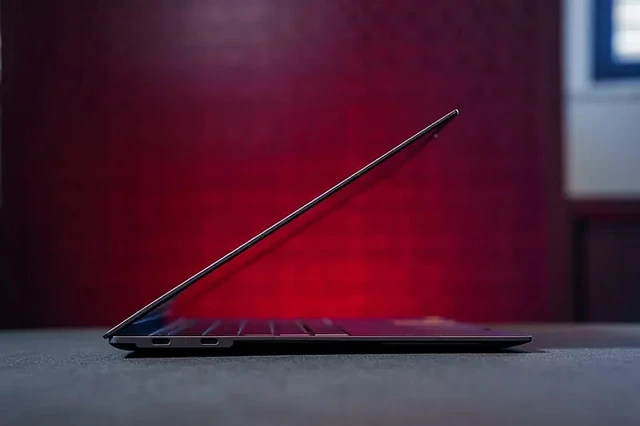 The Evolution of Ultrabooks: Driven by Solid-State Cooling