The wearables market is undergoing a definitive shift, evolving from basic fitness tracking into a sophisticated tool for comprehensive medical diagnostics. Huawei meets this challenge head-on with the launch of the Watch 6 series, reimagining the wearable not merely as an accessory, but as a high-tech biometric hub. By integrating electrocardiography (ECG) and AI-driven data analytics, Huawei is establishing a new paradigm for how users monitor and interact with their own health metrics. These devices are designed to blur the line between consumer electronics and professional-grade medical instrumentation.
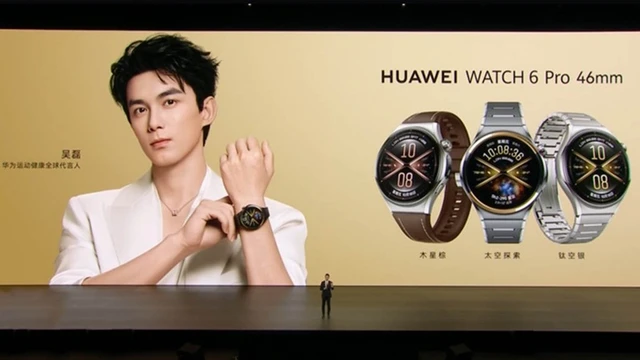
The modern philosophy of wearables demands a delicate equilibrium between the aesthetics of a premium accessory and the precision of a diagnostic instrument. In the new Huawei Watch 6 lineup, this approach is realized through a clear segmentation of models. The base version prioritizes versatility and lightness, offering aluminum or stainless steel casings in 42mm and 46mm variants. The Pro model, however, elevates the standard of materials science, utilizing titanium and ceramics to enhance both durability and prestige.
Visual interaction is driven by cutting-edge TPO 2.0 AMOLED displays. Depending on the chassis size, the screens measure 1.38 or 1.5 inches, but the standout specification is the peak brightness of 3,500 nits. This level of luminosity ensures flawless legibility even under direct midday sunlight—a critical requirement for active users and travelers.
The centerpiece of the series' evolution is its upgraded diagnostic suite. Beyond standard heart rate and blood oxygen (SpO₂) monitoring, the watch now integrates a full-fledged ECG sensor. This allows users to perform rapid heart rhythm analyses, detecting potential anomalies in real time.
The X-TAP technology warrants particular attention. Far more than a mere interface solution, it serves as a comprehensive gateway to the body's physiological state. A single touch triggers a comprehensive scanning cycle across 14 key metrics, including skin temperature, stress levels, and even emotional state. The entire process takes approximately 60 seconds, culminating in a detailed report. Enhanced sensor sensitivity compared to the previous generation yields higher precision, complemented by a physical readiness assessment to help users determine their optimal workload for the moment.
The intelligence of the Watch 6 is rooted in deep AI assistant integration. Voice control now extends beyond basic commands to complex scenarios, ranging from processing payments to maintaining a nutrition diary. For Pro users, Huawei has introduced "Expedition"—a dedicated navigation module with map support and waypoint marking, transforming the device into a robust tool for autonomous trekking and expeditions.
Battery life varies based on dimensions and operational mode. The compact models (42mm and 43mm) offer up to three days of standard operation, extending to a week in power-saving mode. The larger 46mm variants demonstrate impressive endurance, lasting between 4.5 and 11 days, making them ideal for extended trips where constant access to a charger is unavailable.
The series' market positioning underscores the brand's ambition to capture diverse audience segments. Pricing ranges from $417 for the base model to $536 for the largest Pro version, reflecting the disparity in premium materials and functional capabilities.
 New Frontiers in Kirin Transistor Density