The global semiconductor shortage continues to fundamentally reshape the supply chain landscape across the electronics industry. Leading vendors are being compelled to seek alternative partnerships to sustain production momentum amidst persistent market volatility. The integration of YMTC drives into Lenovo laptops serves as a poignant indicator of this tectonic shift. Such cost-optimization strategies raise a critical question for the consumer regarding the actual quality of the components embedded within these branded devices.
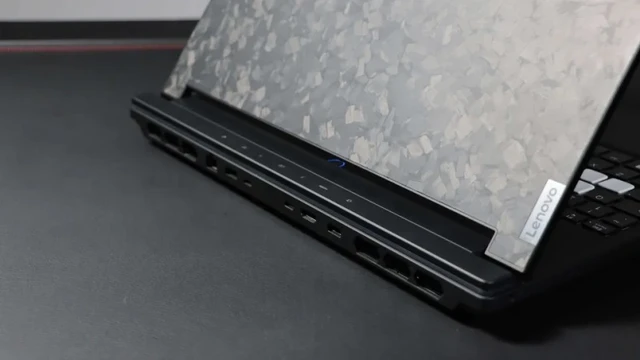
For years, an implicit quality benchmark has governed the personal computer industry: premium and enterprise-grade laptop lineups were expected to be dominated by solutions from established market leaders such as Samsung, Western Digital, or Kioxia. However, the current market landscape tells a different story. The discovery of solid-state drives (SSDs) from the Chinese firm Yangtze Memory Technologies Corp. (YMTC) in the new Lenovo ThinkBook 14 G9 IPL has come as a surprise to many analysts and power users alike.
This shift points to systemic volatility within memory supply chains. When traditional procurement channels become prohibitively expensive or unstable, even giants like Lenovo are forced to diversify their vendor base, turning to players who, until recently, remained virtually invisible outside the domestic Chinese market.
Benchmarking the 512GB YMTC drive installed in the ThinkBook reveals certain trade-offs. Sequential read speeds clocked in at 3,950 MB/s, while write speeds reached 2,514 MB/s. For a modern professional laptop, these figures are lackluster. While top-tier solutions from industry leaders offer significantly higher bandwidth, the YMTC product merely meets baseline requirements—a deficit that may become apparent when handling massive files or during intensive data transfers.
The driver behind this choice is cold economic calculus. Amidst a rapid surge in component costs, manufacturers are striving to preserve profit margins without pushing retail prices to unsustainable heights. Integrating more affordable SSDs from lesser-known brands allows them to offset the rising costs of other critical components, such as CPUs or display panels.
YMTC itself is an ambitious venture launched in 2016 with heavy state backing from the Chinese government. In a remarkably short window, it has evolved into a formidable player with a market valuation of approximately $22 billion and a workforce exceeding 8,000 employees. YMTC's push into the global market through partnerships with brands like Lenovo is a strategic move to establish a technological foothold in the 3D NAND flash memory segment.
For the end consumer, this trend introduces a "component lottery." When purchasing a specific model, the user can no longer be certain which drive brand is housed inside their machine. While YMTC-equipped devices operate reliably, their performance may fall short of expectations. In today's reality, choosing a laptop requires a more scrutinizing look at the specifications of the individual unit, as the prestige of the external brand may mask a variance in internal hardware that directly impacts system responsiveness.
 The Price of Acceleration: CXMT’s Rapid Push into Memory