The evolution of wearables is shifting away from basic metric tracking toward sophisticated, real-time biomechanical analysis. Apple is striving to embed advanced spatial analysis tools into everyday accessories, effectively transforming them into comprehensive digital coaches. However, the path to this vision has been fraught with challenges, necessitating a fundamental rethink of the user-interface paradigm. The current strategic pivot focuses on lightweight smart glasses, positioned as the next critical nexus between health and technology.
Apple's foray into advanced fitness functionality did not originate with smart glasses, but rather with an ambitious project centered around the Vision Pro headset. The original vision entailed a specialized iteration of Fitness+ capable of tracking exercise precision through spatial analysis and motion-capture sensors. It was a promising concept: the device could have served as the ultimate tool for form correction, effectively replacing a live instructor.
In practice, however, the company hit an insurmountable ergonomic wall. The sheer bulk of the Vision Pro and its specific design render it practically unusable for high-intensity physical activity. The discomfort associated with vigorous movement, coupled with the thermal constraints of the cooling system, led Apple to conclude that the "sports visor" concept was non-viable in its current form factor.
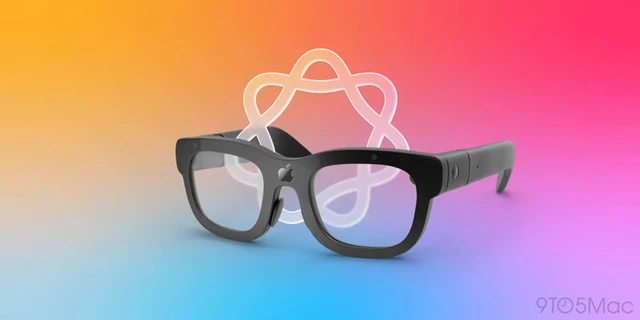
Recognizing the limitations of heavy headsets, Apple has pivoted its development vector toward future smart glasses. Unlike the Vision Pro, these devices will forgo cumbersome augmented reality displays, significantly reducing weight and bringing the aesthetic closer to classic eyewear. Even without a visual interface positioned before the eyes, the gadget could become a powerful engine for harvesting data on user health and physical activity.
Internally, this initiative is being spearheaded by the Vision Products Group. Current staffing shifts and the recruitment of specialized talent suggest that Apple is adopting an interdisciplinary approach to development. The goal is to create a synergy between spatial computing, wearable electronics, and deep behavioral analysis. Essentially, the company aims to build a system capable of translating human kinetics into digital code, ensuring high-precision health monitoring.
In the long term, these glasses could leverage integrated cameras to analyze biomechanics, synthesizing this data with Apple Watch metrics and other ecosystem telemetry. This would create a closed feedback loop: the device detects a flaw in a squat or a bend and provides instantaneous correction via an audio interface or synchronized devices.
Nevertheless, Apple is maintaining a pragmatic, phased rollout. The first iteration of these smart glasses, expected as early as next year, will focus on foundational functionality. Advanced fitness capabilities and complex motion-analysis algorithms will be reserved for subsequent generations, once the hardware is fully optimized for health monitoring tasks.
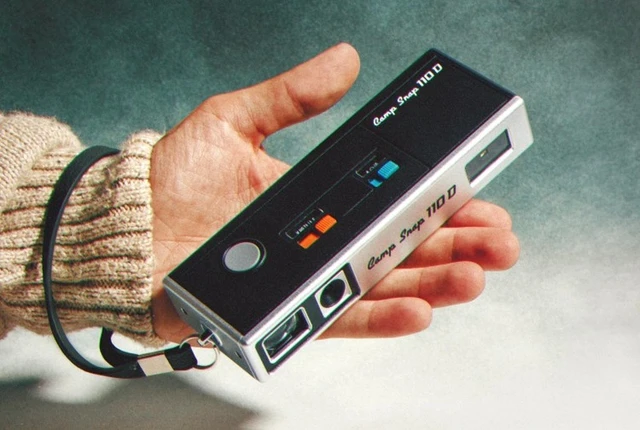 Analog Aesthetics in Digital Execution