The global automotive industry's pivot toward electrification has evolved into a grueling ordeal for legacy manufacturers. Even tech titans like Xiaomi are grappling with extended periods of unprofitability upon entering the fray—a trend that has become systemic across the sector. For Japan's Subaru, the situation has reached a critical juncture where the cost of acquiring a single EV customer is placing an unsustainable strain on its budget. This dynamic exposes a profound disconnect between strategic technological partnerships and actual market viability.
In the modern electric vehicle industry, an aggressive "fast-start" strategy is often synonymous with staggering financial losses. The Xiaomi case vividly demonstrates that a specialized business unit can remain loss-making for years before finally reaching its break-even point. However, Subaru's situation is further complicated by the fact that the company is not a technological trailblazer; instead, it relies on deep integration with the resources of its partner, Toyota.
This alliance with the world’s largest automaker allowed Subaru to standardize its electric models across most key parameters. Leveraging shared platforms, battery systems, and powertrains was intended to slash R&D capital expenditures, yet in practice, this technical synergy did not guarantee commercial viability.
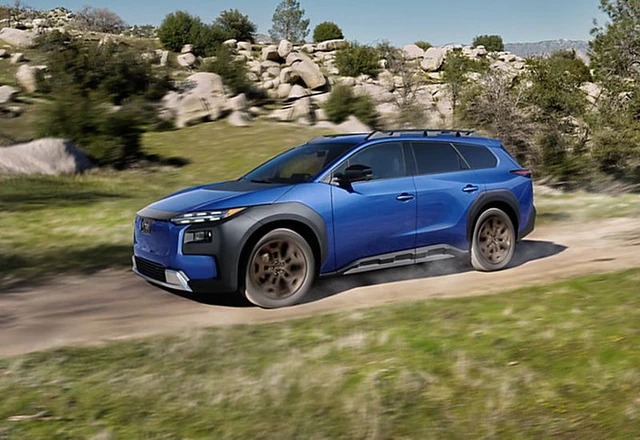
Market metrics reveal a profound crisis of confidence in the brand's flagship offerings. The Solterra—the veteran of the lineup—is showing alarming trends: sales plummeted by 34% in the first seven months of the current year, dropping to 5,275 units. Only the introduction of the Uncharted and Trailseeker models, which moved 2,850 and 3,513 units respectively, prevented a total collapse and allowed the company to maintain a nominal positive trend across the segment.
Recent quarterly financial reports expose the true cost of this market presence. Subaru poured $155 million into EV promotion, including aggressive discounting policies. While overall marketing spend rose by 40% to an average of $2,698 per vehicle, the figures for the EV segment are staggering: supporting a single sale across its three electric models costs the company over $9,000.
This imbalance is directly impacting the organization's fiscal health. Although Subaru's overall marketing expenditures remain lower than many of its competitors (averaging $3,479), the rate of spending is outstripping revenue growth. Consequently, operating profit has plummeted by 44%, falling to $270 million.
The contrast with Toyota’s "sister" product is particularly telling. The bZ model, built on the same platform as the Solterra, has become one of the most popular EVs in the US, ranking fourth and posting a 90% year-over-year increase in sales. Simultaneously, Toyota achieved the opposite effect in marketing: the cost per unit sold for the bZ decreased by 7.6%, landing at $8,588.
This disparity highlights Subaru's fundamental struggle: despite having access to identical technology, the company cannot drive effective sales or establish high brand equity among EV consumers. Ultimately, the cost of selling a single vehicle has effectively become a subsidy that erodes the operating profit of the entire enterprise.
 Driver Attention Monitoring in Tesla Electric Vehicles