For decades, the quest for a viable alternative to lithium-ion batteries has remained one of the most critical challenges in modern electronics. While sodium-ion and other experimental technologies continue to grapple with prohibitive production costs and inherent instability, the industry has found a path toward evolution by refining existing chemistry. The shift toward silicon-carbon anodes has proven to be the catalyst, enabling a radical increase in energy density without compromising the slim form factors of modern devices. Today, this technology is rapidly migrating from exclusive high-end flagships into the mass-market budget segment.
For a long time, the evolution of mobile batteries felt like treading water. Despite a deluge of laboratory research, no radically new battery chemistry managed to displace the classic lithium-ion standard. Experiments with sodium and other elements frequently grabbed headlines, but in practice, they hit insurmountable hurdles—either prohibitive synthesis costs or critical durability failures. Consequently, the industry shifted its focus: rather than replacing the foundation, it sought to deeply modernize the components.
The pivotal change occurred in the material coating the copper anode. Traditional graphite, the industry standard for decades, has a limited lithium-ion absorption capacity of just 372 mAh/g. Silicon emerged as a compelling alternative, boasting a theoretical capacity of an impressive 4,200 mAh/g. However, the implementation of pure silicon faced a severe physical obstacle: during charging and heating, the material expands significantly, leading to the mechanical degradation of the anode and rapid battery failure.
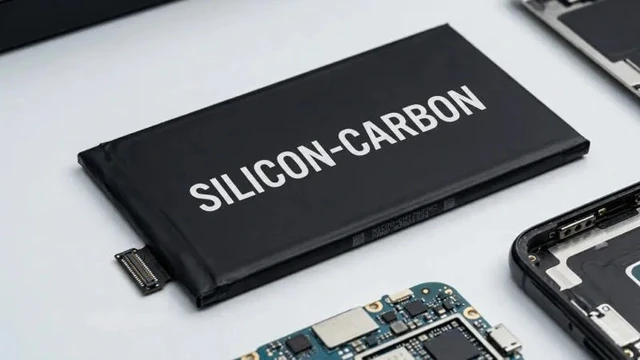
The solution lay in the development of a composite material. By blending silicon with carbon, engineers created a stable structure that mitigates the adverse effects of expansion while maintaining high energy density. This led to the rise of silicon-carbon batteries which, while maintaining the same physical footprint as traditional lithium-polymer counterparts, can hold 20–30% more charge.
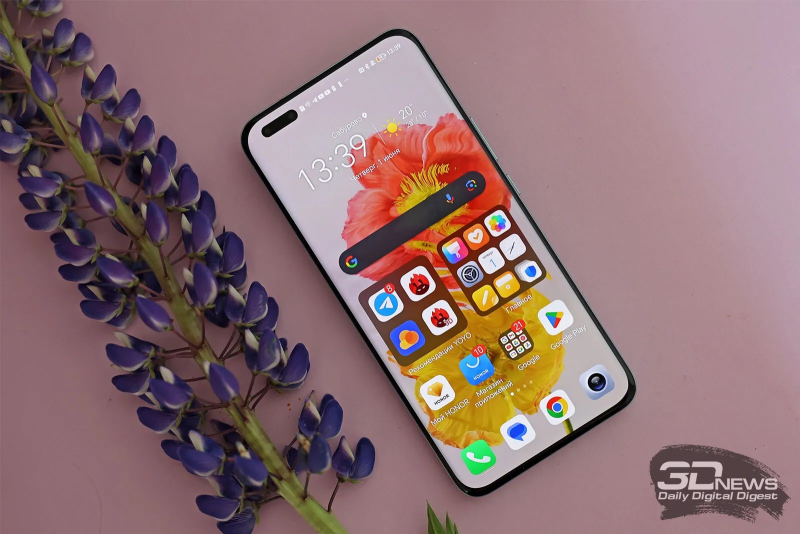
HONOR engineers were the pioneers in the mass deployment of this architecture. The technology was first piloted three years ago in the Magic 5 Pro and subsequently scaled for global flagships like the Magic V2 and Magic 6 Pro. Other market players quickly took note; for instance, realme integrated similar solutions into its GT7 Pro flagship in late 2024.
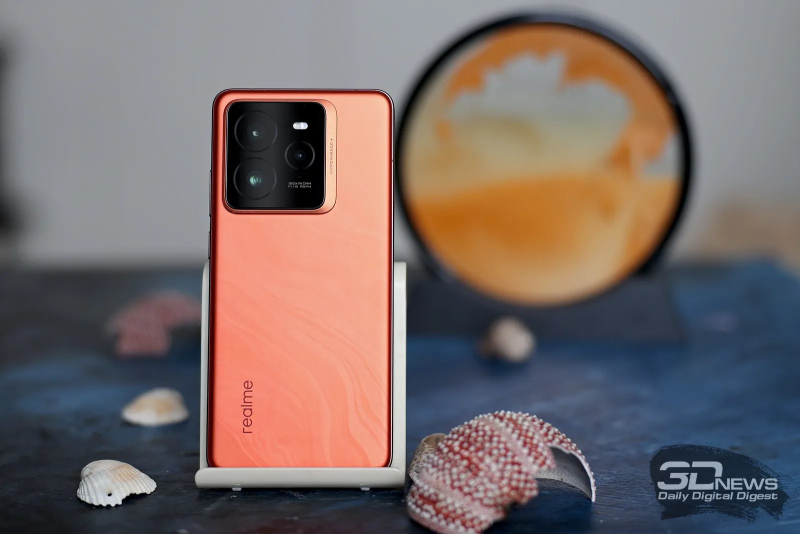
The ability to extend autonomy without turning a smartphone into a cumbersome "brick" became a powerful incentive for manufacturers. Soon, silicon-carbon batteries with capacities of 6,000–7,000 mAh began trickling down from the premium segment to the mid-range, a trend clearly exemplified by the release of the HONOR X9c.
Nevertheless, the technology is still undergoing iterative refinement. The primary challenge remains the increased heat generation associated with silicon, which theoretically could accelerate capacity fade compared to conservative lithium-polymer solutions. Brands are adopting divergent strategies to combat this: some intentionally leave more internal clearance within the chassis, sacrificing some density gains, while others limit peak charging speeds, encouraging users to utilize "smart" power modes.
Conservative giants like Apple and Samsung remain cautious. For Samsung, still haunted by the high-profile Galaxy Note 7 crisis, any risk regarding battery stability is unacceptable. Apple, meanwhile, adheres to its traditional strategy of exhaustive validation cycles before introducing new materials.
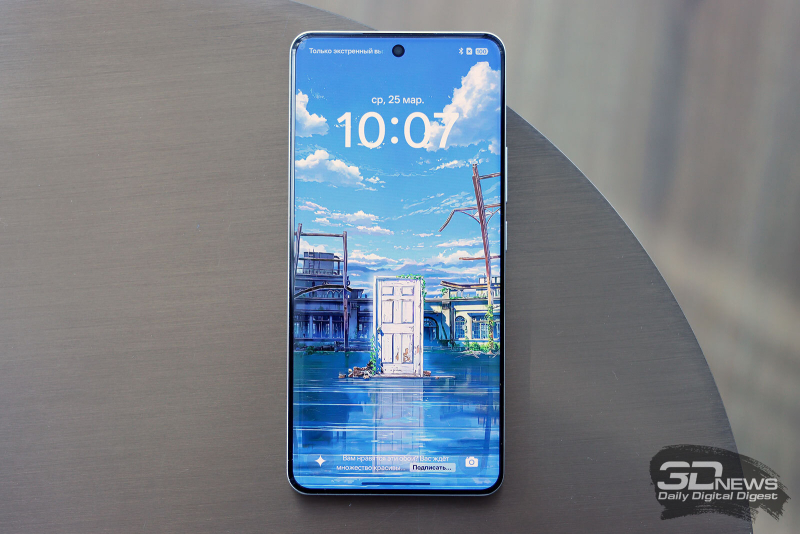
In contrast, Chinese brands prefer a path of aggressive deployment, ironing out the technology's "teething problems" in real-world usage. This approach has yielded devices with record-breaking autonomy that were previously only available in specialized, ultra-thick rugged smartphones. A prime example is the realme P4 Power.
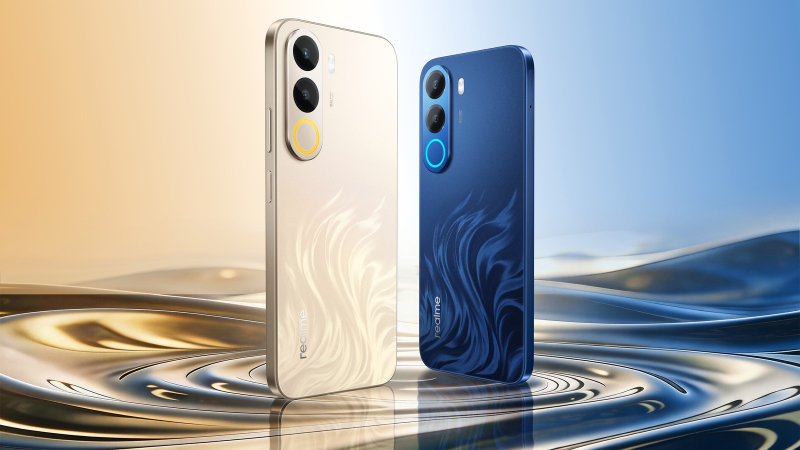
The most telling case of the technology's democratization is the launch of the realme C100x—one of the most affordable smartphones to feature a silicon-carbon battery. Despite being a budget-class device, it is equipped with a massive 8,000 mAh battery. For a standard (non-rugged) smartphone, this is an unprecedented figure. Paired with the energy-efficient Unisoc T7250 processor, this capacity provides a level of endurance that previously seemed unattainable for low-cost devices.
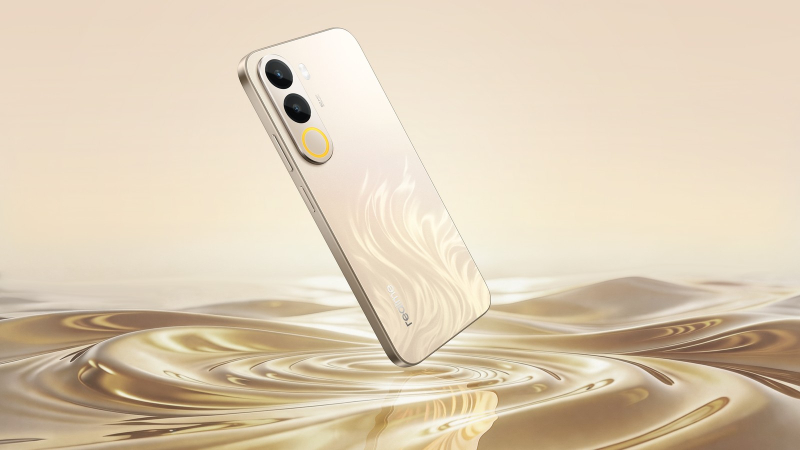
Despite the capacity, the realme C100x maintains compact dimensions, with a chassis thickness of 8.78 mm and a weight of 219 grams. Particularly intriguing is the manufacturer's claim regarding longevity: when using the included 45W charger, the stated battery lifespan without significant capacity loss is seven years. If this holds true in practice, it means the primary Achilles' heel of silicon-carbon systems—wear and tear—has finally been solved.
The trajectory of silicon-carbon batteries demonstrates how rapidly premium innovations become mass-market standards. The journey from initial flagship experiments to budget models took only three years. This momentum suggests that the habit of carrying a power bank may soon become a relic of the past.
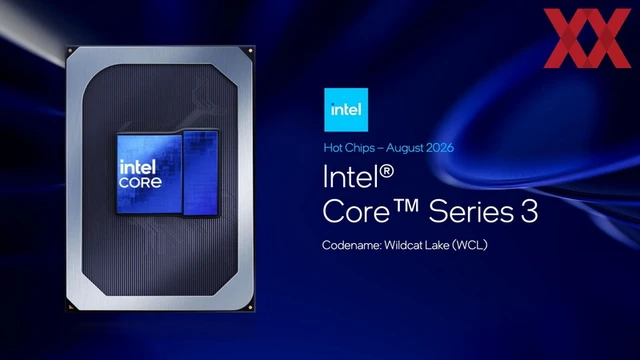 The Engineering Pragmatism of the Wildcat Lake Series