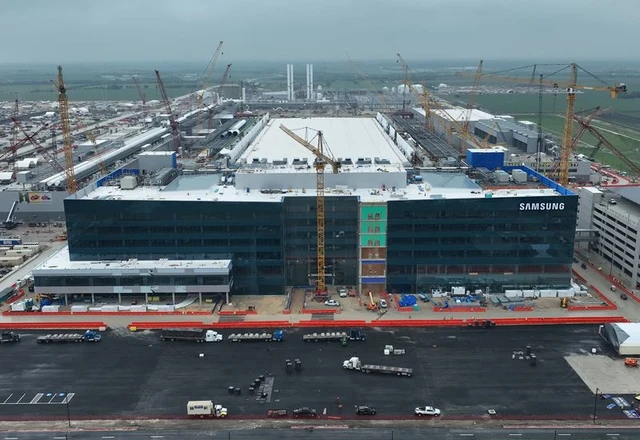
The contemporary AI arms race has hit a hard physical ceiling: a critical deficit of hardware. Industry leaders concede that existing manufacturing capacities are failing to keep pace with the exponential surge in demand for compute and data storage. This bottleneck is further exacerbated by a systemic supply chain crisis affecting memory and cooling components—a shortfall that could persist for years. Under these pressures, even the tech titans are being forced to pivot their strategies, grappling with an inability to meet the requirements of half their client base.
The AI industry is undergoing a fundamental paradigm shift: the focus is pivoting from model training to practical application—inference. This transition has unexpectedly thrust the Central Processing Unit (CPU) back into the spotlight. While GPUs continue to dominate deep learning tasks, CPUs remain indispensable for managing data pipelines, executing general computational logic, and orchestrating GPU workloads. Consequently, demand for processing power has reached a critical threshold, leaving Intel capable of fulfilling only half of its current order book.
The situation has become so acute that the CEOs of major tech firms are bypassing standard channels to engage directly with Intel’s leadership in a desperate bid to secure essential hardware. The response, however, remains unchanged: production capacity simply cannot keep pace with the market's voracious appetite. The long-term outlook is even more daunting—the proliferation of millions, and eventually trillions, of autonomous AI agents will demand colossal computing resources and new security standards that current infrastructure is ill-equipped to provide.
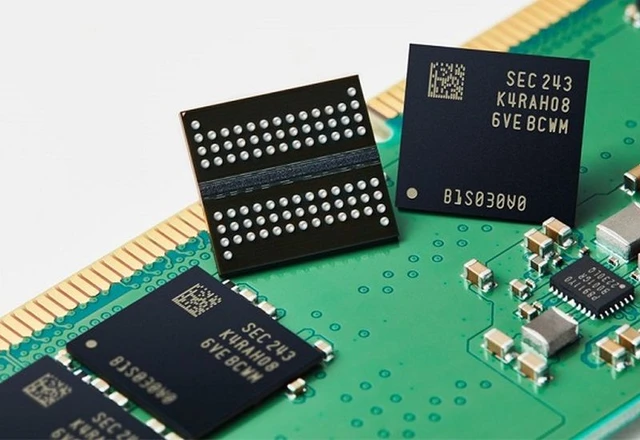
Parallel to the CPU shortage, the industry has hit a "memory wall." A problem flagged a year ago has escalated into a full-scale crisis. Memory chip prices have surged five- to seven-fold, with recovery timelines for component availability pushed back to 2028. This has triggered a domino effect, forcing many large-scale IT projects into freeze or delay as companies struggle to procure memory in the required volumes.
The bottlenecks extend beyond semiconductors. The construction of new data centers is being throttled by shortages in power supply and cooling systems. To break this deadlock, Intel is investing in innovative liquid cooling solutions based on microcirculation principles, aiming to eliminate one of the most significant physical hurdles in AI infrastructure deployment.
Economic pressure is further intensifying through aggressive pricing strategies. There is a clear trend toward regular chip price hikes; following adjustments in Q1 and July, PC processors are expected to see another average increase of 10%. In the server segment, price adjustments for specific models have already reached significant levels, reflecting a stark supply deficit amidst soaring demand.
One of the most fragile links in the supply chain is chip packaging. While Intel is betting on advanced packaging techniques, it faces a severe shortage of consumables, particularly substrates. This market is highly consolidated, with just four suppliers across Taiwan and Japan controlling the entire volume. This scarcity has forced Intel to utilize advance payments to secure priority shipping.
The technological challenge is compounded by low production yields. For instance, Japanese partners producing substrates for EMIB packaging are demonstrating efficiency rates of only 45%. Although this figure is expected to rise to 55% by early next year, current losses are significantly hindering the pace of scaling.
As a long-term remedy, Intel is banking on the evolution of its process nodes. The transition to the cutting-edge 14A standard is slated for the first quarter of 2027. Meanwhile, the 18A process is showing steady momentum, with wafer yields growing by 7% annually—offering a glimmer of hope for eventually overcoming the current resource famine.

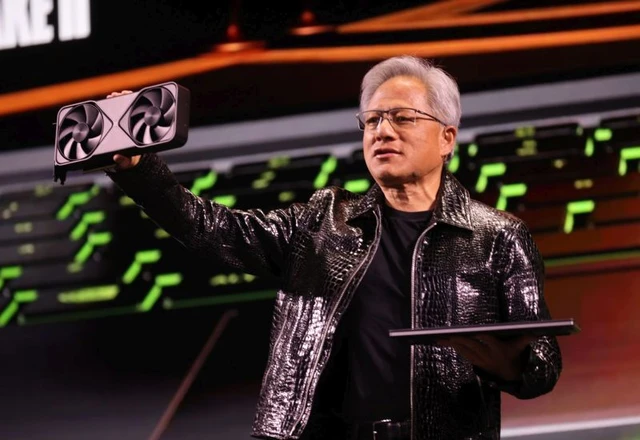 Forecasting Exponential Growth in Nvidia Shipments