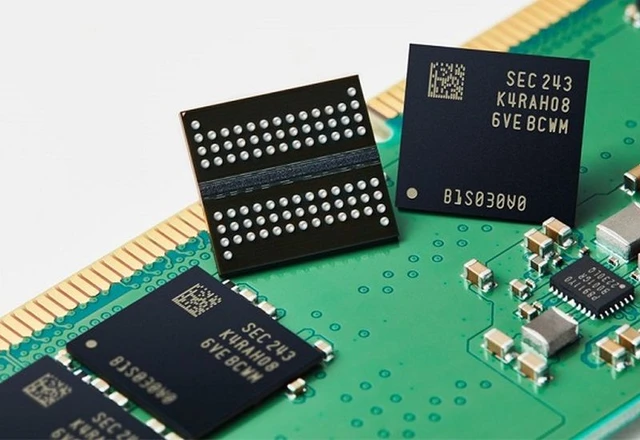
The global race for nanometer precision has shifted to the heart of Texas, where manufacturing capacity is evolving into a potent instrument of geopolitical and technological leverage. Samsung Electronics is transitioning from the construction phase to the active production of cutting-edge semiconductors, outpacing its own projected timelines. The primary catalyst for this acceleration is a strategic partnership with Tesla, which demands peak performance for its AI-driven ecosystems. This alliance is charting a new course for the industry, one where the speed of capacity deployment has become the definitive metric of competitiveness.
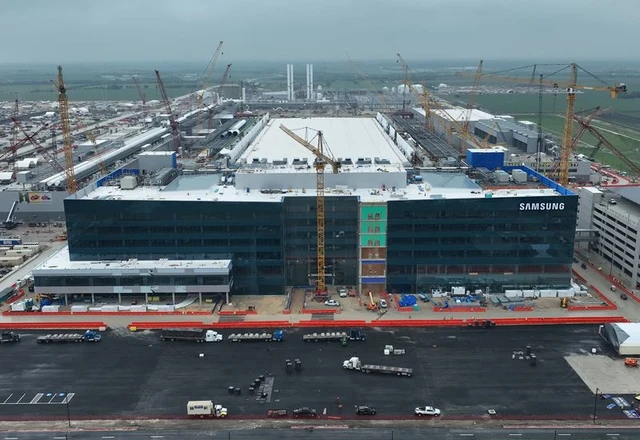
The launch of the Taylor plant has evolved from a mere ambitious blueprint into a fully operational technological hub. According to recent data, Samsung has already commenced trial production of chips utilizing a 2-nanometer process, significantly outpacing its original timeline. This acceleration was catalyzed by a close partnership with Tesla, whose demand for high-performance computing effectively revitalized the project and rendered it highly attractive to other potential clients.
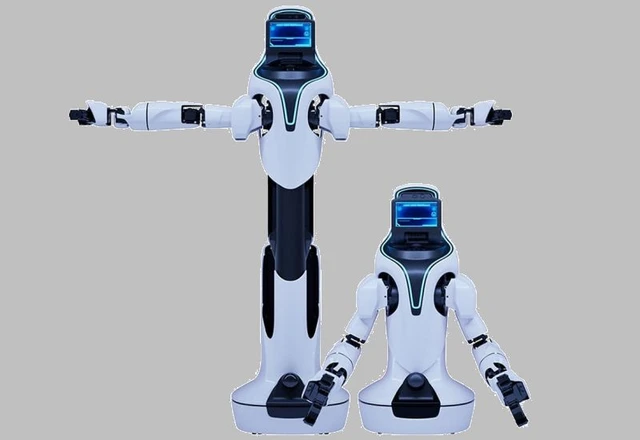
At the heart of this collaboration is the production of specialized AI5 chips. These components represent a universal compute stack: Tesla intends to integrate them not only into the onboard systems of its electric vehicles but also into its Optimus humanoid robots and its proprietary data center infrastructure. The scale of the deal, estimated at $16.5 billion, underscores the critical dependence of the future of autonomous transport and robotics on the success of Samsung's US-based facilities.
The production cycle at the Texas plant is currently in the final verification phase. While mass shipments of the AI5 are not expected until next year, digital preparation and silicon wafer processing are already in full swing. Furthermore, Samsung plans to solidify its leadership by breaking ground on a second facility in the region by the end of this year. This new site will focus on an even more advanced 1.4nm process, with full operational capacity slated for 2030.
The urgency surrounding the rollout of the Texas lines is driven not only by Tesla's requirements but also by internal capacity constraints. Production sites in South Korea specializing in 4nm and 2nm dies are operating at their absolute limit. Shifting a portion of the workload to the US allows the company to optimize logistics and accelerate the path to the break-even point for its foundry business.
On a global scale, the Texas expansion serves two strategic objectives. First, it is an attempt to close the gap with TSMC, which currently maintains its status as the dominant player in the foundry market. Second, it aims to establish an insurmountable technological barrier against China's SMIC. The market situation has reached a critical juncture: according to TrendForce, the revenue gap between Samsung and SMIC narrowed to a negligible 0.5% in the second quarter of this year.
Samsung's primary strategic advantage remains its unfettered access to cutting-edge EUV (Extreme Ultraviolet) lithography equipment. While Chinese competitors are hampered by stringent US and Dutch sanctions, Samsung can seamlessly implement the most advanced systems across its plants. Consequently, the Texas project is more than just a manufacturing site; it is a strategic outpost ensuring technological supremacy in the era of artificial intelligence.
 Forecasting Exponential Growth in Nvidia Shipments