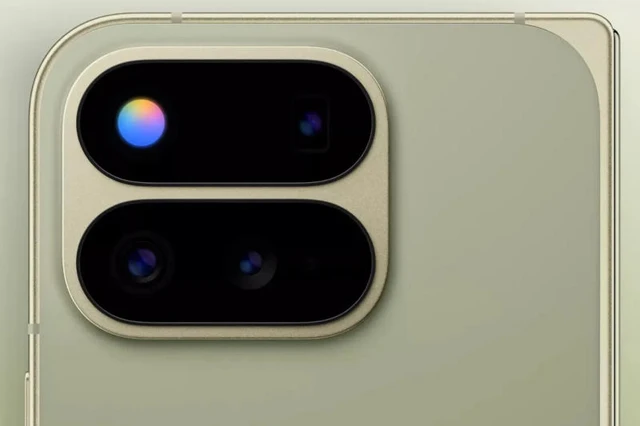
The mobile industry has long since pivoted toward energy-efficient Always-On Displays, effectively rendering traditional LED notification lights a relic of the past. Yet, Google appears poised to resurrect this functional element with the upcoming Pixel 11 generation, proposing a more sophisticated integration of visual signaling. The introduction of the "HiLight" system could herald a return to mindful device interaction—allowing users to stay informed without the constant need to wake the primary display. Such a move underscores Google's commitment to crafting an interface that is both more intuitive and less intrusive in the rhythm of daily life.
Accidental leaks within source code frequently emerge as the most credible precursors to upcoming technological milestones. In this instance, the blueprint for the Google Pixel 11's new capabilities was unearthed within version 4.85 of the "Google Contacts" app. Decompilation of the service revealed traces of a feature codenamed "glow," which will likely be branded as "HiLight" in the final product. We are looking at a full-fledged RGB indicator, with support integrated directly at the Android system level.
At its technical core, HiLight represents a strategic return to the concept of personalized notifications. According to the discovered code fragments, users will be able to assign specific backlight colors to selected contacts. This transforms a simple LED into a tool for rapid cognitive processing: the user can identify exactly who is messaging or calling without ever touching the smartphone or glancing at the display.
The HiLight color palette appears both rich and meticulously curated. Pixel 11 owners will have nine primary hues at their disposal: blue, light blue, green, orange, pink, purple, turquoise, white, and yellow. This spectrum enables a flexible system of visual prioritization, where each color corresponds to a specific category of events or the relative importance of a contact.
However, HiLight is more than just a nostalgic nod to smartphone trends from a decade ago. Google is integrating the light indicator into its modern AI ecosystem. A pivotal feature will be the visualization of Gemini's operational status. When the device is placed face-down, the RGB indicator will signal the neural network's activity, notifying the user that a request is being processed or that the assistant is ready for interaction.
This approach addresses a critical challenge in contemporary UX: the battle against digital noise. Rather than constantly checking notifications on the primary display, the user receives a concise, unobtrusive signal. By integrating HiLight into Android, Google is creating a new layer of interaction where light becomes a legitimate language of communication between device and human, complementing haptic feedback and auditory signals.
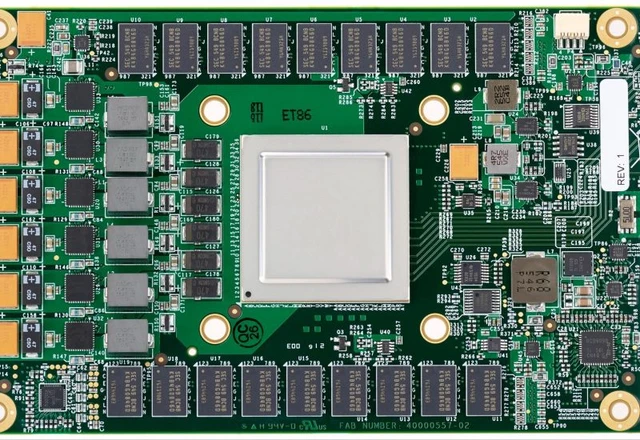 Anthropic’s Strategic Push for Hardware Independence