The global AI arms race has migrated from the realm of algorithms into the domain of physical resources. Today, the primary bottleneck hindering neural network evolution is no longer raw processing power, but memory bandwidth. The sweeping agreement between Nvidia and SK hynix signals a transition toward an era of total dominance over critical component supply chains. This strategic alliance establishes the infrastructural bedrock that will define the landscape of global computing for years to come.
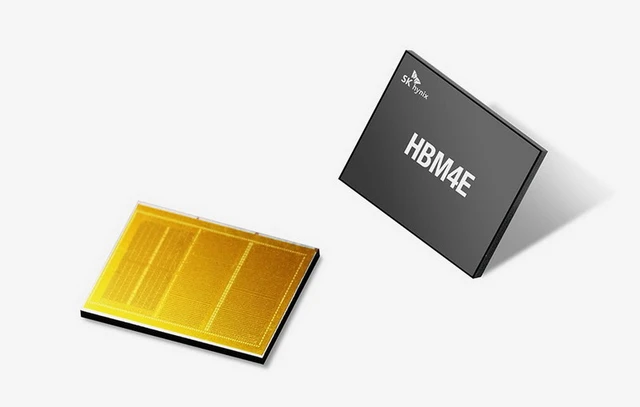
The current surge in generative AI has laid bare a fundamental industry bottleneck: the so-called "memory wall." As GPUs achieve staggering speeds, they increasingly sit idle, waiting for data to arrive from system memory. High Bandwidth Memory (HBM)—multi-layered stacks with extreme throughput—has emerged as the critical solution, enabling the near-instantaneous transfer of colossal datasets. This component has become the decade's most coveted asset, and it is precisely here that Nvidia intends to cement its dominance.
The deal with South Korean giant SK hynix, valued at an estimated $500 billion, transcends simple procurement. It is a long-term strategic alliance designed to fully secure the supply chain for future generations of accelerators. At the heart of this effort is the upcoming Vera Rubin platform, which will demand unprecedented memory capacities to power next-generation models. The scale is staggering: the project envisions data centers with a combined capacity of 2 GW—equivalent to the energy consumption of a small city. By 2027, hundreds of thousands of GPUs will be integrated into these systems, transforming SK Telecom’s cloud infrastructure into one of the most powerful computing hubs on the planet.
Yet, the semiconductor market is rarely static. Competition within South Korea is intensifying; in a bid to reclaim its leadership in the HBM segment, Samsung has entered into a memorandum of understanding (MoU) with Broadcom. This $200 billion agreement aims to establish an alternative ecosystem for memory and semiconductor fabrication. Consequently, the industry is effectively splitting into two formidable technological blocs, locked in a struggle to provide the foundational infrastructure for AI.
It is crucial to recognize that the battle over memory is not merely about profit—it is a matter of national security and geopolitical prestige. The South Korean president's presence at the AI summit in San Francisco underscores that chip production has become a tool of statecraft. Nvidia’s $1 billion investment in Naver to build specialized 200 MW data centers further confirms this trend: tech giants are now operating in lockstep with government entities and national champions.
Ultimately, Nvidia’s strategy signals a shift from a "component procurement" model to an "ecosystem creation" model. By securing stable HBM supplies through the joint development of next-generation memory with SK hynix, the company is mitigating its primary business risks. In a world where access to silicon dictates the pace of technological progress, control over the physical medium of data has become the ultimate competitive advantage.
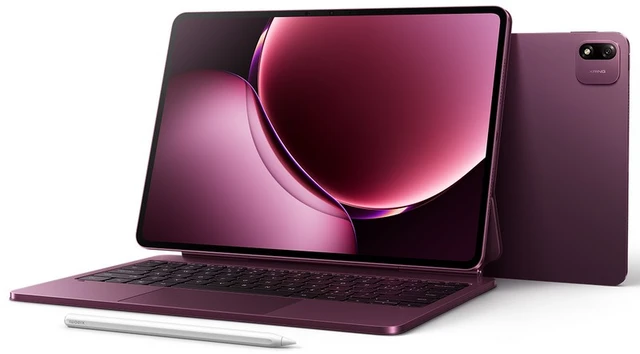 Power and Poise: The Xiaomi Pad 9 Pro Max