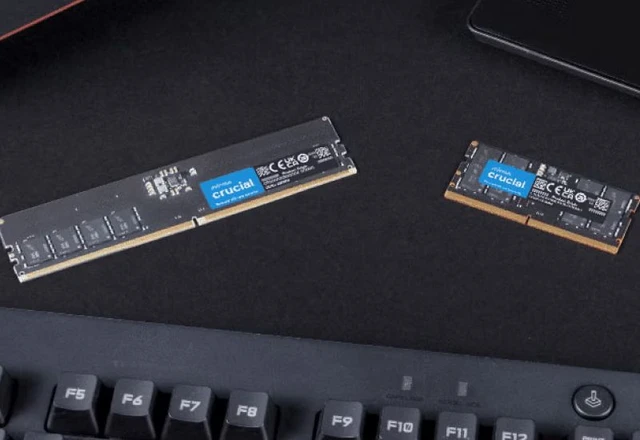
The contemporary GPU market is grappling with an unexpected paradox: technological momentum has momentarily stalled, giving way to a resurgence of interest in previous-generation hardware. A critical shortage of cutting-edge memory chips has crippled the availability of budget-friendly, entry-level solutions, compelling the industry to raid its own archives for a remedy. The re-introduction of the GeForce RTX 3060 to the European and US markets represents Nvidia's strategic attempt to plug these widening gaps in the product lineup. Yet, this move prompts a critical debate regarding the actual utility of legacy hardware in an era defined by the meteoric rise of AI-driven rendering.
Recent developments suggest that Nvidia's strategy to stabilize the entry-level GPU segment is finally taking shape. Following CEO Jensen Huang's admission at CES 2026 regarding the viability of reintroducing legacy models to combat the shortage of budget GPUs, the market has responded in kind. While the first signs emerged in China, the wave of shipments has now reached Germany and the United States.
European retailers are once again seeing stock from top-tier partners, including Asus, Gigabyte, MSI, and PNY. For instance, the Asus Dual GeForce RTX 3060 OC V2 is already available through dozens of vendors, priced at approximately €333.
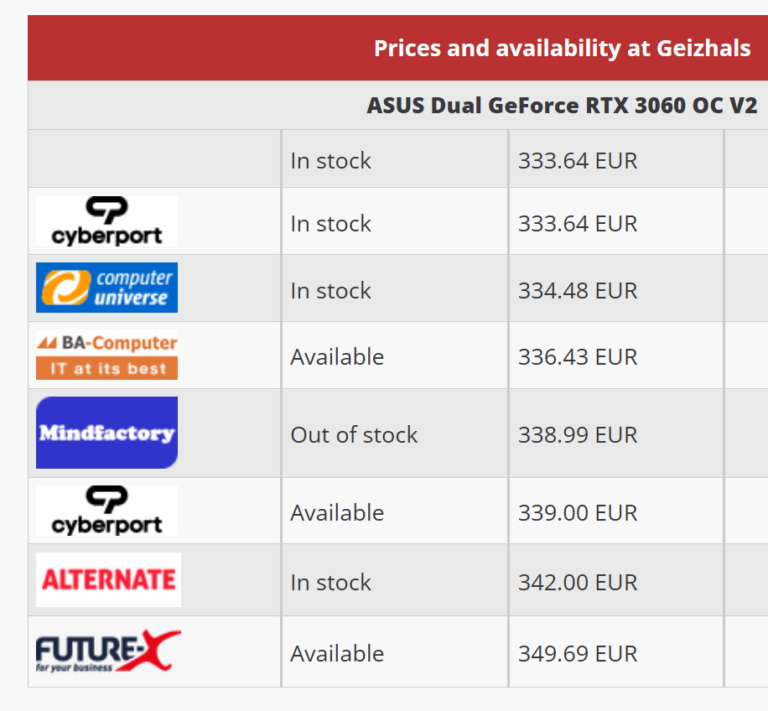
However, upon closer inspection, this "return of a legend" appears economically questionable. While similar class devices could be acquired for €245 in the summer of 2025, current price tags show a marked increase. The situation in the U.S. is mirroring this trend: on Newegg, the card is listed at $339—a figure that actually exceeds the original MSRP from its 2021 launch. Consequently, consumers are being offered a five-year-old product at a price that fails to reflect its current market relevance.
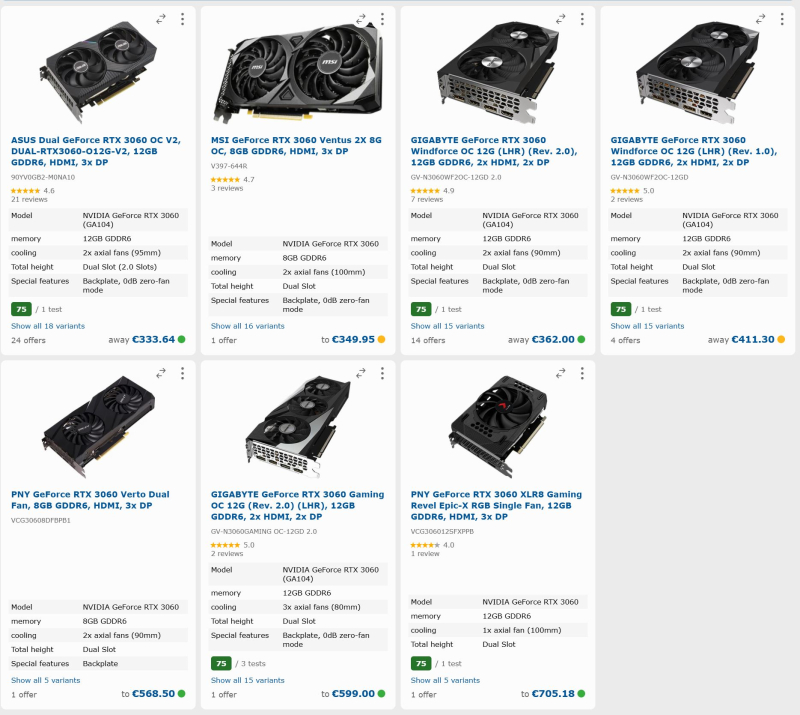
A technical analysis of the GeForce RTX 3060 reveals the device's fundamental tension: a struggle between memory capacity and computational throughput. The card's undeniable advantage remains its 12GB of GDDR6 VRAM, which continues to be an attractive specification for various workloads. However, this capacity has become a sort of "trap," as the device is built on the Ampere architecture.
The primary drawback of this platform in today's landscape is the lack of support for dynamic and multi-frame generation technologies. Although the card is compatible with DLSS 4.5 Super Resolution, it lacks the most potent AI tools required to exponentially increase frame fluidity in modern titles.
Comparing it to the current generation makes the RTX 3060's position even more precarious. Benchmarks of modern accelerators, such as the GeForce RTX 5050 or RTX 5060, demonstrate that even the entry-level models of the new lineup outperform the "veteran" in raw performance. In this context, the 12GB of VRAM becomes practically redundant: the GPU simply lacks the horsepower to fully utilize such resources in today's most demanding scenes. Ultimately, the market is being presented with a product that looks impressive on paper but falters in real-world user experience.
 The Evolution of the Apple Home Ecosystem