Apple is embarking on a phase of profound internal transformation. The transition in leadership and the strategic withdrawal of legendary figures from operational roles signal the closing of a definitive chapter in the company's history. Phil Schiller’s departure from key executive roles serves as the final touch in preparing the corporation for its next strategic cycle. Amidst intensifying regulatory scrutiny and a sweeping technological paradigm shift, Apple is recalibrating its organizational hierarchy to better navigate the challenges of the future.
Apple is undergoing tectonic shifts that extend far beyond routine personnel changes. Phil Schiller, one of the most influential architects of the company's success, is stepping down as head of the App Store and leader of the events team. While he retains the title of Apple Fellow—allowing him to remain within the organization and oversee select projects—his removal from operational management signals a profound shift in direction.
These developments unfold against the backdrop of a massive power shift at the summit. On September 1, John Ternus officially takes the helm, succeeding Tim Cook as CEO. Cook, in turn, transitions to the role of Executive Chairman of the Board. Consequently, Schiller's departure from day-to-day leadership is part of a broader renewal of Apple's executive guard, paving the way for a new vision under Ternus.
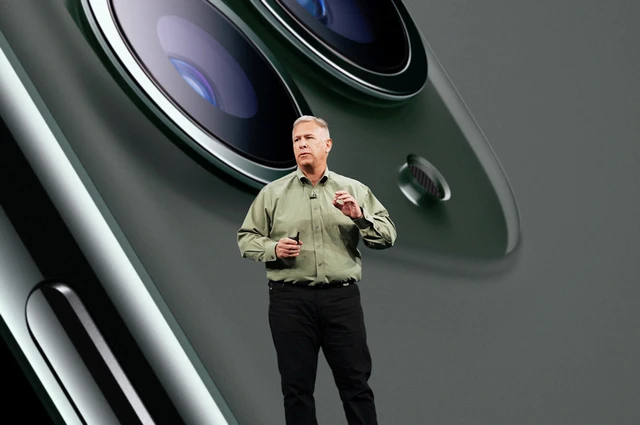
Phil Schiller’s role in Apple’s history is indispensable. Joining the team in 1997, he became one of the company's most prominent figures, effectively embodying the image of Apple on the global stage. Alongside Steve Jobs, he was instrumental in the creation of the App Store, and his role in the iPhone, iPad, and iPod launches transformed corporate presentations into global cultural phenomena. Even after stepping down as Senior VP of Worldwide Marketing in 2020, Schiller remained a linchpin in managing the app ecosystem and brand identity.
The transfer of App Store management to the Services division, led by Eddy Cue, marks the store's transition from an "innovation-led product" to a "mature service business." Direct oversight now passes to Carson Oliver, whose remit now includes Apple Arcade. For Schiller, recent years have been defined by grueling battles; he stood at the forefront of the conflict with Epic Games and navigated dealings with global regulators, attempting to balance Apple's rigid policies with antitrust demands.
Simultaneously, the mechanism behind the company's legendary keynote events is evolving. Responsibility for this ritual now falls to Nora Weinstein, who long served as Schiller's deputy. She will now report to Christine Huggett Quail, VP of Communications. This shift underscores the company's intent to integrate event marketing more tightly into its overall public relations strategy.
These transformations arrive at a critical juncture. On September 9, Apple prepares to unveil the next generation of iPhone, updated Apple Watches, and, according to many forecasts, its first foldable smartphone. This event will serve as the first major test for the new leadership team and the first public manifesto of the John Ternus era.
 The Twilight of the Early Retina MacBook Era