The mid-range smartphone market is undergoing a paradigm shift, as the relentless pursuit of megapixels yields to a newfound emphasis on genuine endurance. Xiaomi’s latest global Redmi Note 17 series signals a strategic pivot toward extreme energy density. By integrating cutting-edge battery materials, the company aims to decisively eliminate "battery anxiety" for the end user. This philosophy redefines the device's value proposition, prioritizing stability and longevity over superficial marketing metrics.
The contemporary smartphone market has long been saturated with vanity metrics—numbers that rarely translate into a tangible improvement in the daily user experience. With the global launch of the Redmi Note 17 Pro and 17 Pro Max, Xiaomi is taking a bold pivot: the company is abandoning the traditional marketing crutch of 200-megapixel sensors in favor of a radical leap in autonomy. The focal point of the series has shifted toward battery chemistry and power efficiency.
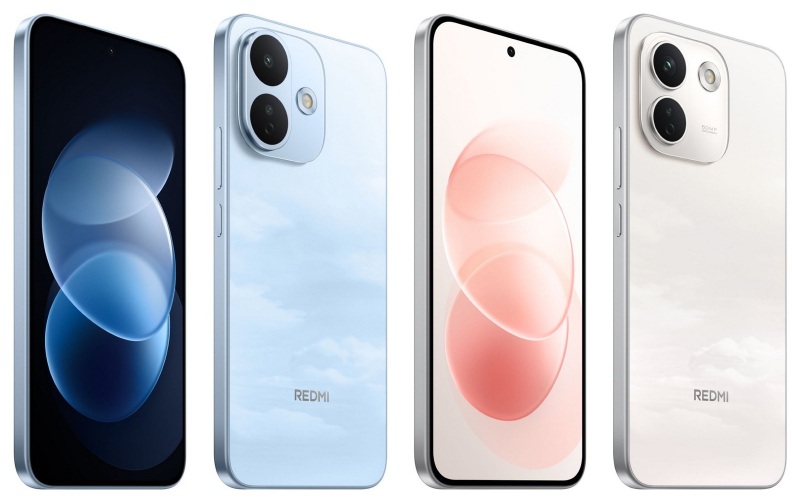
The cornerstone of this technological evolution is the implementation of silicon-carbon batteries. In the Redmi Note 17 Pro, battery capacity has reached a staggering 8,340 mAh, representing a colossal jump from the 6,580 mAh found in the previous generation. This allows the device to sustain video playback for 28 hours on a single charge. To ensure such massive capacity doesn't become a liability during refills, the HyperCharge system has been upgraded to 67W, capable of powering the smartphone to 50% in just 34 minutes. Furthermore, the device can function as a power bank, supporting 22.5W reverse charging.
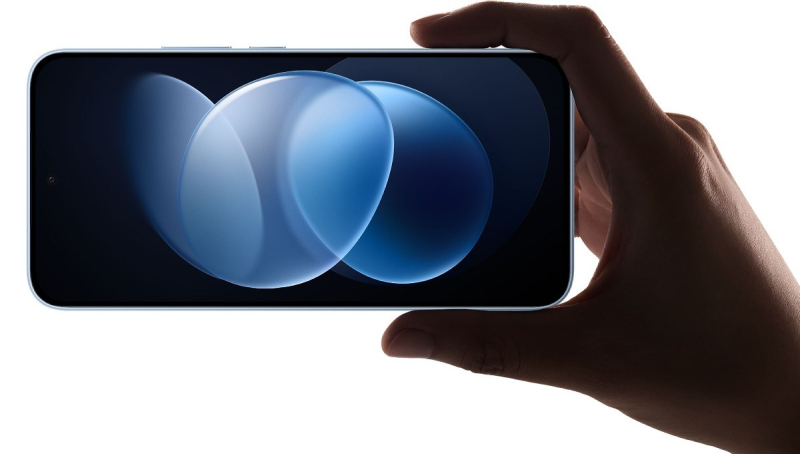
The visual experience is driven by a 6.83-inch OLED display with a resolution of 2772 × 1280 pixels and a 120Hz refresh rate. Of particular note is the peak brightness of 3,500 nits, ensuring the screen remains perfectly legible even under direct midday sunlight. Durability is handled by the industry-proven Gorilla Glass Victus 2, providing a necessary margin of structural resilience.
Under the hood, the Redmi Note 17 Pro is powered by the Snapdragon 6s Gen 4. Memory configurations are versatile, ranging from 6 to 12 GB of LPDDR4X RAM, with storage options up to 512 GB. Crucially, there is a divide in storage standards: base 128 GB versions utilize UFS 2.2, while higher-capacity models transition to the significantly faster UFS 3.1 standard.
The Pro Max version pushes the concept of autonomy to its absolute limit. It features a 9,210 mAh battery, where the silicon content in the anode reaches 16%. The results are impressive: up to 37 hours of video playback and up to 19 hours of intensive gaming. Charging speeds are also elevated here—the 100W HyperCharge system can provide a full day's worth of power in just 20 minutes, and reverse charging capacity has been bumped to 27W.
The technological divide between the models is most evident in the "heart" of the device. The Pro Max houses the Snapdragon 6 Gen 5, manufactured using TSMC's 4nm process. Unlike the Samsung-fabricated Snapdragon 6s Gen 4, the TSMC node provides superior energy efficiency and thermal stability. Despite sharing an identical core architecture (4x Cortex-A78 and 4x Cortex-A55), the Gen 5 variant boasts higher clock speeds and a more potent Adreno 812 GPU.
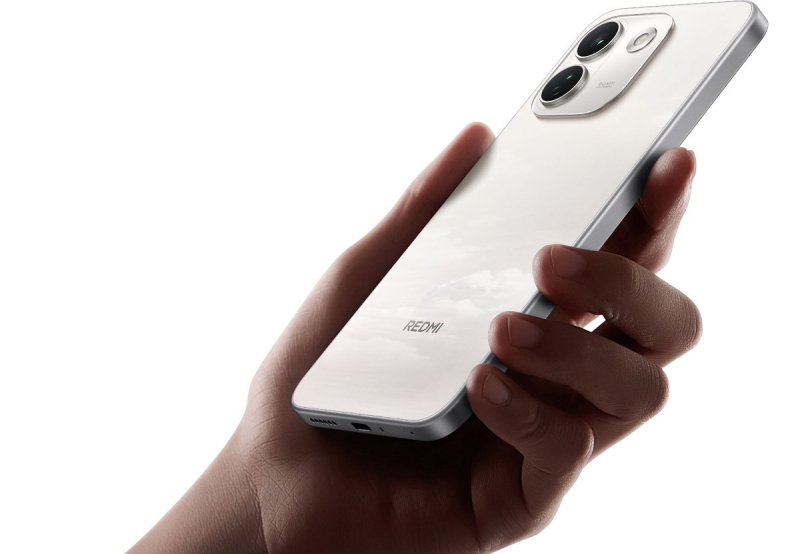
The chassis of both devices is built for extreme durability. IP66 and IP68 ratings guarantee protection against high-pressure water jets and full immersion. Xiaomi claims the smartphones can withstand submersion at a depth of 3 meters for up to 72 hours, significantly surpassing its predecessors. Despite the disparity in battery capacity, the physical dimensions remain nearly identical: a thickness of 8.6 mm and a weight hovering between 223 and 225 grams.
Differences in hardware extend to the peripherals. The Pro Max gains support for Bluetooth 6.0 and Wi-Fi 6, whereas the standard Pro version is limited to Bluetooth 5.1 and Wi-Fi 5. The audio system relies on stereo speakers with Dolby Atmos, with the Max version featuring a volume boost of up to 400%. The traditional 3.5mm headphone jack has officially become a relic of the past.
The imaging pipeline has undergone a complete rethink. Rather than chasing pixel counts, the focus has shifted to light-gathering quality. Both smartphones feature a 50MP main module with optical image stabilization (OIS), but the Pro Max utilizes a sensor with a larger pixel size (0.8 $\mu$m vs 0.6 $\mu$m) and a faster f/1.5 aperture. The Pro Max's front-facing camera also outperforms the base model, offering 32MP resolution and 4K video recording, compared to 16MP on the Pro.
The software ecosystem is powered by HyperOS 3. Xiaomi is playing a long game regarding device support, promising security updates for six years. This transition transforms these smartphones from seasonal gadgets into reliable, long-term tools.

 iPhone 17: Dominating the Global Market