The era of Large Language Models is transcending the realm of digital interfaces and migrating into the physical world. OpenAI’s ambition to establish a comprehensive ecosystem of personal devices signals a strategic shift toward "invisible computing"—a paradigm where AI becomes an organic extension of our daily environment. The vanguard of this movement will be a smart speaker designed to fundamentally reimagine human-machine interaction. This is not merely another home automation gadget; it is a concerted effort to engineer a true digital companion.
OpenAI’s foray into the hardware sector begins with a device that, at first glance, appears conventional: a screenless smart speaker. Yet, beneath this unassuming exterior lies an ambitious objective—to transform the voice interface into the primary command center for the entire home ecosystem. Unlike traditional assistants governed by a transactional "request-response" logic, OpenAI’s product is envisioned as a deeply personalized agent capable of evolving alongside its user.
The technological bedrock of the device is its seamless integration with ChatGPT, enabling complex, multi-layered dialogues. However, the true competitive edge lies in its predictive capabilities. The system is designed to learn from the owner's habits and priorities, effectively anticipating needs before they are even articulated. To achieve this level of intuitive understanding, OpenAI plans to leverage the analysis of user emails, allowing the device to construct a comprehensive psychological profile of its interlocutor.
The technical execution transcends standard audio systems. In an effort to bridge the gap between algorithmic code and organic presence, the chassis will feature mechanically moving elements designed to create an illusion of physical presence and emotional resonance. Furthermore, the speaker will be equipped with an integrated camera and a sensor array for real-time environmental analysis, evolving the device from a passive listener into a proactive observer.
The software architecture leverages OpenAI’s latest breakthroughs in voice interaction. The new "voice mode" allows the model to listen and speak simultaneously, ensuring a fluid conversational cadence and minimal processing latency. Integrated battery power ensures autonomy, rendering the device portable and allowing it to move between rooms without any loss of functionality.
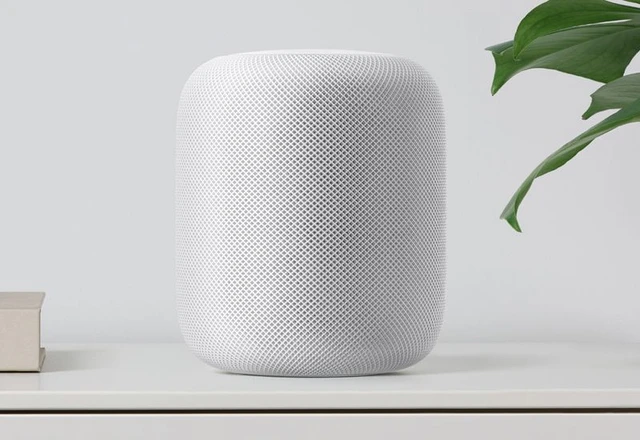
Entry into this market inevitably puts OpenAI on a collision course with Apple, whose HomePod line already commands a significant share of the segment. Despite looming patent disputes and potential litigation from the Cupertino giant, OpenAI is betting on unique industrial design and a fundamentally different approach to user experience. In the long term, the company envisions an even more expansive goal: the creation of a next-generation wearable that could entirely replace the smartphone as the primary interface for interacting with the world.
Parallelly, Apple is refining its own vision of an "intelligent home hub." Their strategy centers on multifunctional display panels integrated with facial recognition systems. Moreover, Apple plans to implement robotic actuators that allow the screen to automatically pivot toward the user, while integrating a full-scale home security system. Consequently, the industry is moving toward a clash of two divergent philosophies: the ambient, adaptive intelligence of OpenAI versus the structured, hardware-centric ecosystem control of Apple.
 Intel’s Strategic Play for Advanced Packaging Supremacy