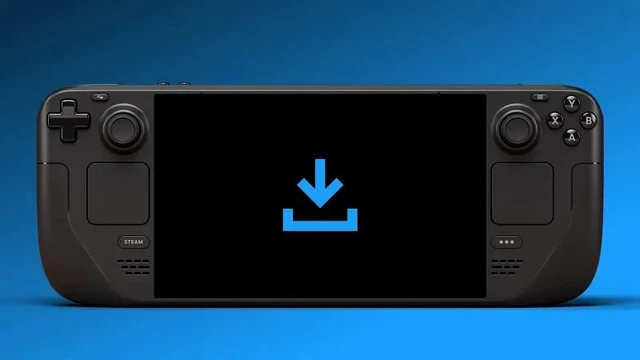
The global semiconductor market continues to grapple with volatility, jeopardizing the availability of high-end hardware. Against this backdrop, Valve finds itself facing a critical dilemma: balancing a significant technological leap with the price accessibility of its flagship device. While development of the Steam Deck 2 proceeds, it remains shadowed by RAM shortages—a supply chain pressure that has already impacted the pricing of current models. Ultimately, the company is prioritizing the quality of the user experience, refusing to sacrifice economic sustainability for the sake of a rushed release.
The handheld gaming market is currently at a critical juncture, where engineering ambition clashes with the harsh realities of the supply chain. For Valve, developing the next generation of the Steam Deck is not merely a matter of updating specifications, but a delicate balancing act between achieving tangible performance gains and maintaining the product's market appeal. Amidst a global shortage of RAM—a critical bottleneck for consoles utilizing Unified Memory—the company confirms that while the development timeline remains intact, strategic priorities are shifting.
The primary challenge lies in the surging cost of memory components, which inevitably drives up the final retail price. The current generation serves as a cautionary tale: the price of the 512GB OLED model climbed from $549 to $789. This price correction negatively impacted sales momentum, providing Valve with a vital lesson. Consequently, the development strategy for the Steam Deck 2 is rooted in caution: the product will not be brought to market if prevailing economic conditions push the price beyond a sustainable threshold.
Valve's technical team is focused on delivering an uncompromising user experience. This means that hardware refinement and ergonomics take precedence over a rushed release. In the handheld PC industry, even marginal performance gains—when paired with strict power efficiency—require deep optimization. Valve is prepared to wait for the opportune moment when component costs stabilize.
Alongside the flagship project, the company continues to expand its hardware ecosystem, advancing solutions such as Steam Machine and Steam Frame. This approach allows Valve to diversify risk and sustain brand engagement while the primary focus remains on the preparation of the Steam Deck 2.
Final specifications and pricing will only be revealed once technological and economic conditions align, allowing Valve to realize the device's full potential without compromising affordability for the consumer.
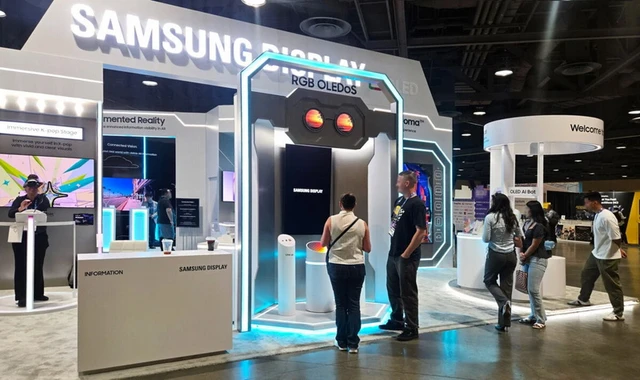 Samsung M16: A New Standard for OLED Panels