Modern smart home systems are increasingly evolving into closed ecosystems—walled gardens where users are stripped of control over their personal data and the underlying logic governing their devices. In response to this trend, an open-hardware movement is gaining momentum, striving to restore technological sovereignty to the end consumer. The oomwoo project embodies this philosophy, providing a blueprint for building a fully functional robot vacuum from the ground up. This is far more than a mere technical experiment; it is a fundamental reimagining of domestic automation through the lens of transparency and modularity.
At its core, oomwoo represents a radical departure from cloud dependency and the proprietary constraints imposed by manufacturers. While commercial alternatives often mandate a constant internet connection for basic functionality, this project prioritizes total locality. Device management is handled entirely within the home network, which not only enhances privacy but ensures system reliability even in the absence of external connectivity.
The project's technical stack leverages battle-tested, community-driven tools. A Raspberry Pi 5 with 4GB of RAM serves as the processing hub, providing ample headroom for real-time data processing. The software architecture is built on ROS 2 (Robot Operating System)—the industry standard in modern robotics—enabling efficient navigation and LiDAR-based mapping. Integration with Home Assistant transforms the vacuum from a standalone gadget into a fully integrated node within a smart home ecosystem.
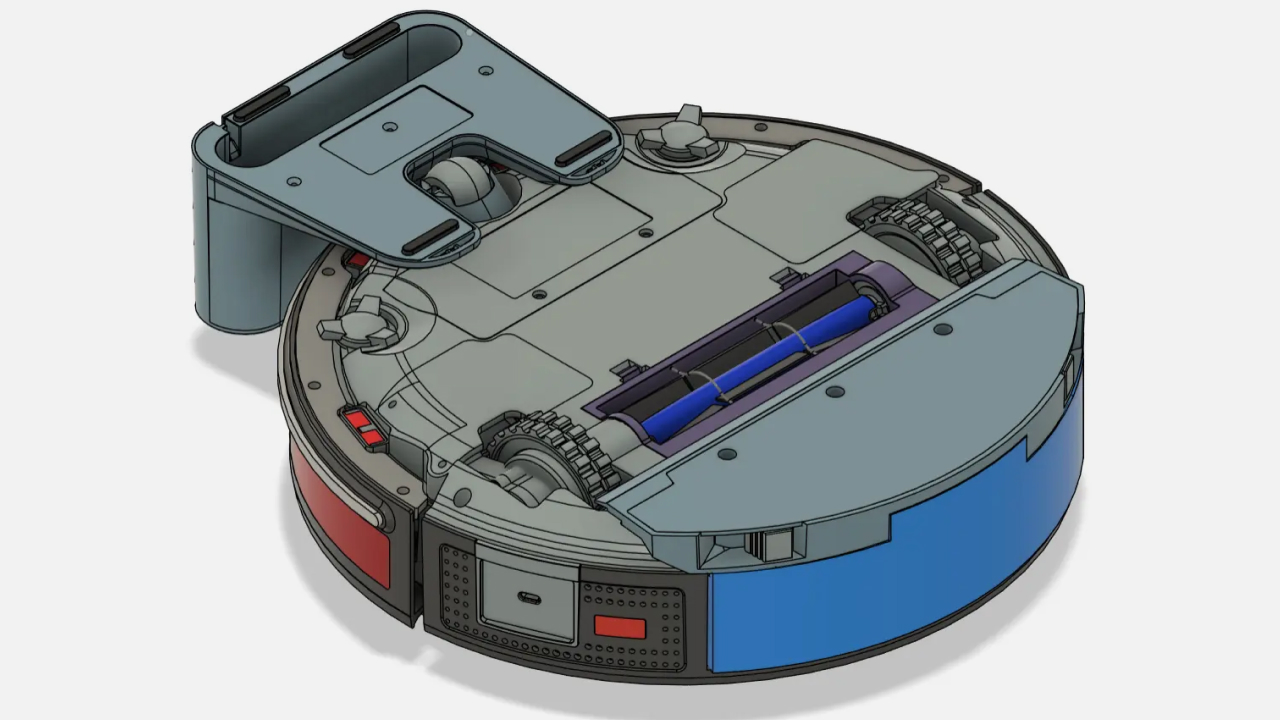
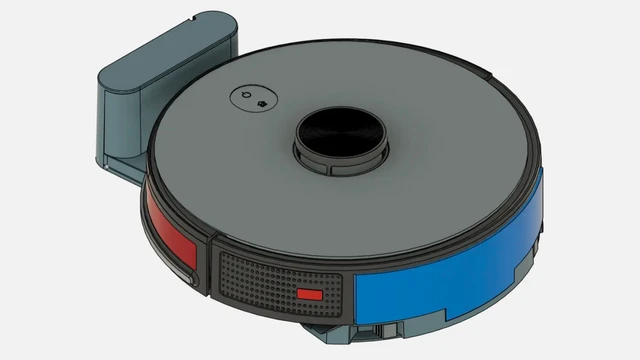
The economic model of oomwoo demonstrates the viability of the DIY (do-it-yourself) ethos. With an estimated build cost of $500–$600, it remains competitive with mid-range commercial solutions. Primary expenses are concentrated in the computing module, sensors, and vacuum components, all of which are readily available via mass marketplaces. The physical manifestation of the device—its chassis, housing, and docking station—is shifted into the realm of additive manufacturing; every component is designed for 3D printing, allowing users to tailor the hardware to specific tasks or room dimensions.
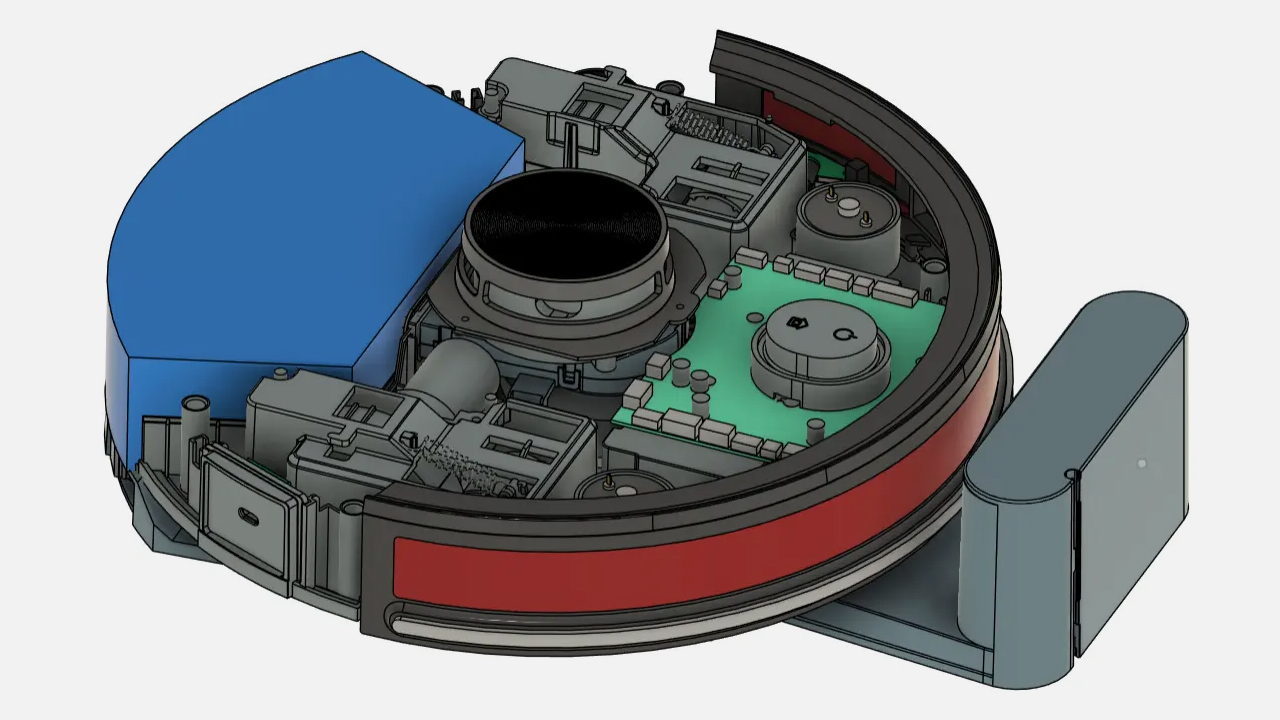
Currently, the project is in the early prototyping stage. The existing functional build serves as a foundation for further evolution, now transitioning into a phase of collaborative development. The developers see significant potential in synergies with other open-source initiatives, such as LeRobot and OpenClaw, which could pave the way for integrating artificial intelligence and more sophisticated kinematics into the device.
The horizons for oomwoo extend far beyond simple floor maintenance. Plans include the creation of a specialized app store, enabling the community to develop and distribute custom behavioral scripts. In doing so, the vacuum evolves into an open platform for robotics education, where every user can become a co-architect of their home assistant's functionality.
All technical documentation and blueprints are hosted in an open GitHub repository, reinforcing the project's central thesis: technology should be accessible, transparent, and modular.
 The Evolution of Apple's Augmented Reality Ecosystem