The flagship smartphone market is entering an era of extreme optimization, where every single millimeter of chassis refinement carries significant weight. Samsung is gearing up to unveil the Galaxy S27 Ultra, a device poised to mark a pivotal shift in the brand's visual identity. Leaked CAD files reveal an unexpected pivot in the camera module's design—a direction previously envisioned for now-defunct product lines. This move signals a transition toward a more functional and engineering-driven approach to the device's internal architecture.
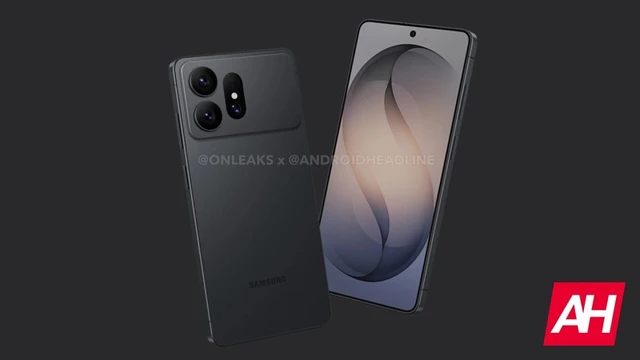
The design language of the Samsung Galaxy S27 Ultra remains largely conservative, maintaining a sense of continuity with previous generations. However, the primary focus has shifted toward a comprehensive overhaul of the optical array. The most striking departure is the abandonment of the traditional vertical lens alignment along the left edge of the chassis. In its place, Samsung is introducing a "camera island" architecture at the top of the rear panel. This approach, reminiscent of recent Apple flagship designs, was previously considered for the Galaxy S26 Edge—a series that was ultimately scrapped—but has now become the centerpiece of the Ultra's aesthetic.
This transformation is driven less by aesthetic preference and more by technical imperative. Expanding the module's footprint allows for the integration of larger sensors and, more critically, optimizes thermal management, which is essential when powering high-performance chipsets. Furthermore, the new layout ensures seamless magnetic charging compatibility by minimizing electromagnetic interference from internal components.
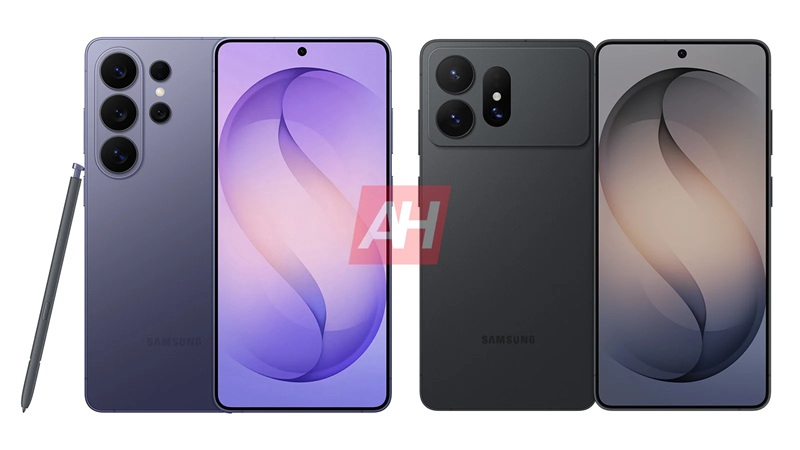
Samsung is conducting a rigorous revision of its optical pipeline. The 10-megapixel 3x telephoto module has been completely phased out to make room for more advanced hardware. The primary tool is now the ISOCELL HIP6 sensor with a physical size of 1/1.3 inches, promising a significant leap in detail and low-light performance. This is complemented by two 50-megapixel modules: an ultra-wide lens based on the Sony IMX855 and a telephoto camera featuring 5x optical zoom.
The device's form factor remains virtually identical to the Galaxy S26 Ultra, with dimensions of approximately 78.25mm in width and 163.76mm in height, and a chassis thickness of 7.97mm. However, when accounting for the camera bump, the total thickness reaches 12.53mm, underscoring the sheer scale of the installed optics.
Under the hood, the hardware is uncompromising. The device is expected to feature the latest flagship Qualcomm Snapdragon 8 Elite Gen 6 Extreme processor, although regional variants may integrate Samsung's proprietary Exynos 2700. Notably, despite the industry-wide arms race, Samsung will likely forgo the transition to LPDDR6 RAM and UFS 5.0 storage, opting instead for the proven reliability of current standards.
The power management system warrants particular attention. The Galaxy S27 Ultra is slated to utilize a silicon-carbon battery with a capacity of 5,700 mAh. This technology increases volumetric energy density without significantly expanding the battery's physical footprint, which, paired with an energy-efficient processor, should markedly extend the device's autonomy.
Rounding out the device is a 6.9-inch display featuring the familiar punch-hole cutout for the front-facing camera. The official unveiling of this technological powerhouse is expected in February of next year, cementing the device's status as the ultimate tool for productivity and mobile photography.
 The Visual Minimalism of Apple's New Keyboards