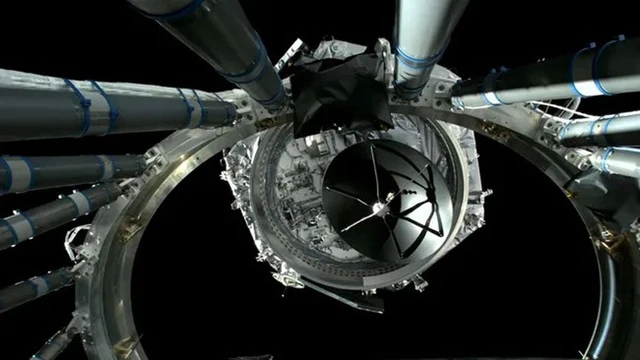
The modern space race has fundamentally evolved from a geopolitical clash into a corporate struggle for infrastructural hegemony. SpaceX, long the primary "carrier" for the global aerospace industry, has begun systematically restricting rocket access for third-party clients. By prioritizing its own satellite constellations over commercial contracts, the company is establishing a dangerous precedent of systemic dependence on a single player. This strategic shift effectively transforms SpaceX from a mere service provider into the de facto proprietor of orbital space.
The era of the Falcon 9 as a universal and accessible utility for orbital delivery is drawing to a close. A clear trend has emerged: SpaceX is increasingly reserving its available launch slots for internal requirements, effectively crowding out competitors from the flight manifest. The statistics reflect this shift with chilling precision—while Starlink missions accounted for 54% of all Falcon 9 launches in 2020, that figure is projected to climb to nearly 80% by 2026.
For many space startups and government agencies, this situation has reached a critical juncture. Reports suggest that several companies have already been informed that Falcon 9 schedules are fully booked through 2028 or even 2029. In an environment devoid of viable alternatives, such a blockade to space access could trigger stagnation or even the total collapse of projects dependent on third-party launch vehicles.
This protectionism is driven by cold economic logic. For SpaceX, launching a proprietary Starlink satellite generates tens of millions of dollars more in profit than executing a contract for an external client. This is fueled by the network effect: every new asset added to the constellation increases the overall capacity and valuation of the entire communications network. By 2025, this disparity became stark—Starlink's revenue reached $11.4 billion, while the company's entire remaining aerospace business brought in just $4.1 billion.
The transition to the Starship system is poised to accelerate this trend. While the new fully reusable architecture promises a radical reduction in launch costs, its primary capacity will be dedicated to deploying the next generation of satellites. The company's ambitions extend far beyond simple internet provision; plans are underway to create up to one million solar-powered devices that will essentially function as orbital data centers for artificial intelligence. Simultaneously, Starship will be utilized for NASA lunar missions and the development of in-space refueling technologies, effectively saturating the launch schedule.
Market pressure is also being exerted through pricing policy. The cost of a Falcon 9 launch has climbed from $54 million in 2013 to approximately $74 million today. This price hike, coupled with the scarcity of slots, creates a "filter" that eliminates smaller players who lack their own orbital-class rockets.
The situation is exacerbated by the fact that SpaceX's primary competitors have yet to offer comparable reliability or launch frequency. Blue Origin has struggled with technical setbacks regarding its New Glenn rocket, while United Launch Alliance's Vulcan has faced periodic interruptions due to technical hurdles. In this vacuum, Rocket Lab remains the only serious alternative player.
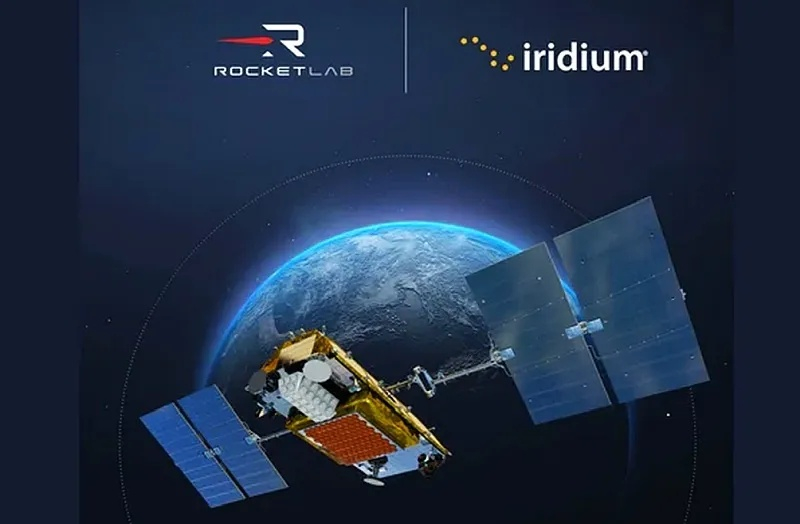
Rocket Lab’s strategy differs fundamentally from Musk’s model of vertical integration. By developing the reusable Neutron rocket and acquiring Iridium, they are betting on the creation of an ecosystem of satellite components and systems. Their approach is more open: the company recognizes that its business selling hardware depends directly on the ability of other players to reach orbit in the first place. Thus, while SpaceX constructs a closed empire, Rocket Lab is attempting to preserve the viability of the broader market.
Ultimately, the industry faces a profound paradox: the technological breakthrough that provided cheap access to orbit has resulted in a monopoly that now unilaterally decides who—and when—is permitted to leave the atmosphere.

 The 5,000-Day Milestone of Martian Exploration