The global semiconductor market is currently navigating a period of profound turbulence, driven by an insatiable demand for the computational horsepower required to fuel artificial intelligence. In this shifting landscape, even the industry titans—long accustomed to wielding absolute leverage over their partners—are discovering new vulnerabilities. Apple’s recent struggle with acute memory shortages on the eve of its latest smartphone launch has exposed systemic risks within the supply chain. This volatility, particularly concerning Chinese manufacturers, underscores a fundamental realignment of power between hardware vendors and component suppliers.
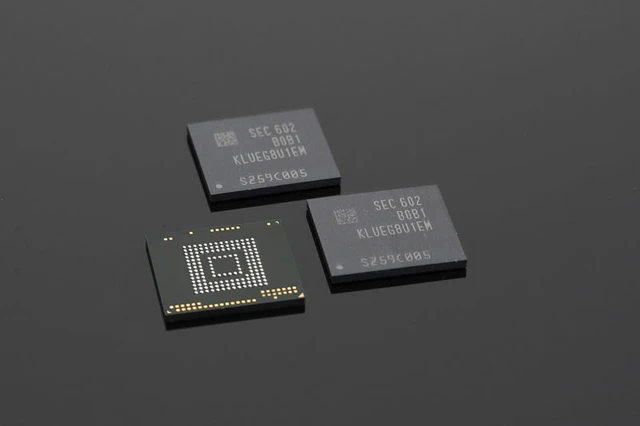
Preparations for the iPhone 18's autumn debut are typically defined by meticulous logistical orchestration; however, the current cycle has been complicated by a critical DRAM shortage. To ensure the seamless operation of its assembly lines, Apple requires massive volumes of LPDDR5X memory—a high-speed, energy-efficient solution that has become indispensable for modern mobile devices. Despite long-term contracts with industry titans such as Micron, Samsung, and SK hynix, systemic capacity shortages have forced the company to seek alternative resource streams.
In response to these constraints, Apple pivoted toward the Chinese manufacturer CXMT. The corporation employed its standard playbook: leveraging the sheer scale of its procurement to secure preferential terms and drive down component costs. However, the negotiations took an unexpected turn. CXMT effectively rebuffed Apple's request for discounts, offering supplies exclusively at current market rates. This represents a rare industry precedent where the leverage of a market-dominant buyer is eclipsed by the position of the supplier.
This uncompromising stance from CXMT is a direct byproduct of the global artificial intelligence surge. Modern Large Language Models (LLMs) and cloud platforms demand vast arrays of high-speed memory, triggering an acute deficit. Chinese tech firms, including major data center operators and AI developers, have already reserved significant portions of CXMT's output, prepared to pay full price without any concessions.
Consequently, Apple finds itself in a position where market dynamics have outweighed corporate prestige. The LPDDR5X shortage is a symptom of memory evolving from a standard commodity into a strategic asset for the advancement of neural networks. Apple now faces a binary choice: concede to the Chinese manufacturer's terms or find new ways to optimize its supply chain in an environment where hardware demand significantly outstrips production capacity.
 Anthropic’s Strategic Push for Hardware Independence