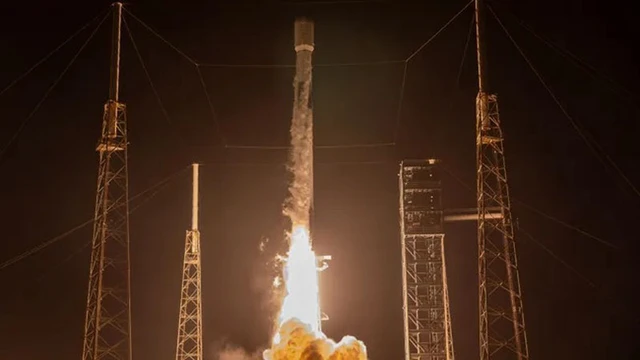
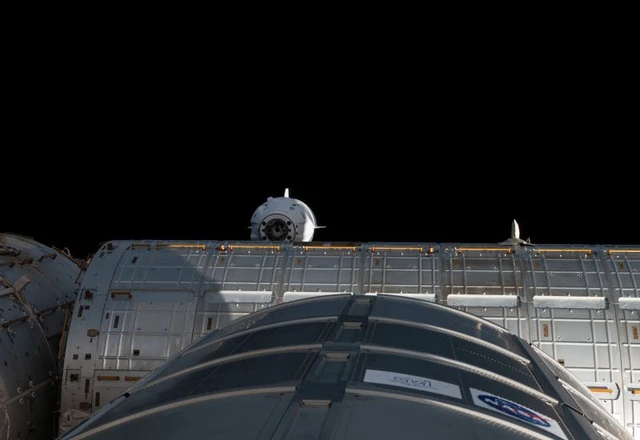
The global financial markets have entered a period of volatility, sending shockwaves through even the most dominant titans of the technology sector. A precipitous sell-off of assets has stripped Elon Musk of his position as history's first trillionaire. This shift is more than a mere statistical anomaly; it serves as a bellwether for a fundamental pivot in investor sentiment regarding hyper-inflated valuations. At the heart of the turmoil are the mounting risks associated with the perceived AI bubble and the staggering costs of ambitious interstellar colonization efforts.
The volatility of the modern financial system has once again made its mark, triggering a correction in the fortune of the world's richest man. According to the Bloomberg Billionaires Index, Elon Musk's aggregate net worth has contracted to $957 billion. While this figure allows him to maintain his lead in the global rankings, the loss of his trillionaire status has sent a significant signal to the market.
This downturn follows a period of unprecedented optimism. Earlier this month, Musk reached a historic peak driven by the Initial Public Offering (IPO) of SpaceX, which saw the company valued at over $2 trillion. Retail investor fervor propelled share prices upward, but the euphoria proved short-lived. By Tuesday's close, the stock had corrected to $156—a 30% drop from the intraday peak of $225 recorded on June 16. Nevertheless, current levels remain above the initial offering price of $150.
The reasons behind this sharp cooling of interest in Musk's assets are rooted in macroeconomic anxieties. Investors have begun to seriously debate the potential formation of an "AI bubble," which, coupled with anticipated interest rate hikes, renders high-risk tech assets less attractive. In this climate, the market is shifting its demands: visionary promises are no longer enough; concrete financial results are now required.
Analysts have cast a critical eye on SpaceX's inflated valuation. Ambitious projects—ranging from the deployment of space-based data centers to the terraforming of Mars—are now being perceived not as guarantees of growth, but as sources of colossal risk. This skepticism is fueled by data from the S-1 filing published prior to the IPO. According to the reports, the aerospace giant recorded a loss of $4.9 billion in 2025, while capital expenditures (CapEx) for its AI development division reached a staggering $12.7 billion.
Musk's portfolio composition reveals a high degree of concentration. SpaceX remains his primary asset, with the entrepreneur's stake valued at $744 billion, accounting for nearly 80% of his total wealth. The remainder of his capital is distributed primarily across Tesla shares, currently valued at $158 billion. Notably, Tesla has also been swept up in the broader market sell-off.
Despite the loss of the symbolic trillionaire status, the financial chasm between Musk and his closest rivals remains immense. The gap between him and Larry Page, the Google co-founder currently in second place, stands at approximately $660 billion. To put this into perspective, this surplus is equivalent to more than two of Jeff Bezos's entire fortunes, underscoring the exceptional scale of Musk's influence on the modern economy, even during periods of market correction.
 The Economic Paradox of the GeForce RTX 5090