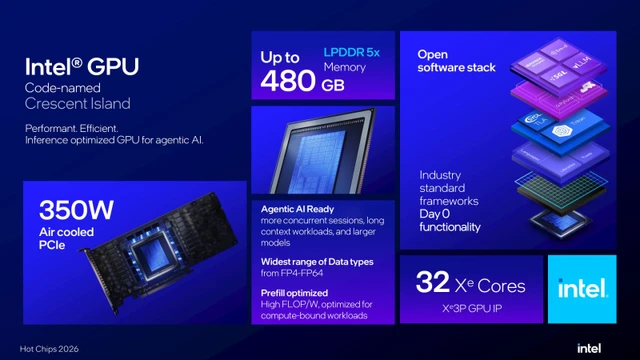
The global semiconductor market has entered a phase of unprecedented transformation, one where the traditional rules of engagement no longer apply. Even Apple, despite its immense leverage over the supply chain, can no longer stem the tide of skyrocketing component costs. Tim Cook’s admission that price hikes for consumer devices are inevitable has served as a catalyst for investors, signaling the dawn of a new technological supercycle. At the heart of this shift lies a global memory shortage, fueled by the aggressive expansion of artificial intelligence.
The memory chip market responded to recent statements from Apple's leadership with a synchronized surge in valuations. Shares of SanDisk and Micron Technology hit new all-time highs, climbing 9.5% and 6.6%, respectively. For SanDisk, this spike served as the climax of a staggering annual rally exceeding 4,400%, while Micron posted a robust gain of 810%. However, the true catalyst for this frenzy is not short-term speculation, but a fundamental shift in market power.
In an interview with The Wall Street Journal, Tim Cook openly admitted that Apple can no longer shield its customers from the skyrocketing cost of memory. This admission marks the end of an era in which the world's largest electronics manufacturer could dictate terms to its suppliers, leveraging its massive procurement volumes to stabilize pricing. While the company's finance department had previously issued cautious warnings about a potential dip in gross margins by 2026, it has now become clear: Apple is passing these escalating costs directly to the end-user.
The root of this crisis is structural. According to data from TrendForce, contract pricing for memory chips surged by more than 100% in the first half of 2026. The shortage of NOR flash and SLC NAND memory is expected to intensify further. Omdia forecasts that global DRAM production revenue will reach an astronomical $372 billion by 2026, a 147% increase over the previous year.
We are witnessing the birth of a "supercycle" that has completely rewritten the hierarchy of demand. The primary beneficiaries—and simultaneous destabilizers—of the market are the hyperscalers: the cloud computing giants building the infrastructure for artificial intelligence. Their willingness to sign long-term contracts with massive upfront payments has effectively sidelined consumer electronics manufacturers in the queue for DRAM and NAND supplies. In this new reality, even Apple finds itself low on the priority list.
The economic fallout of this shift is daunting for the consumer. The cost of memory as a percentage of the total Bill of Materials (BOM) for a smartphone or PC, which historically fluctuated between 10% and 15%, is now rapidly climbing to 25–30%. In absolute terms, the cost of memory in 2026 has increased by 80–90% compared to the end of 2025.
Analysts at Mizuho TMT predict that these overheads will drive retail prices for future iPhone 18 models up by at least $100–$200. From a corporate finance perspective, this move allows Apple to preserve margins that would otherwise be severely eroded. However, for Apple's own investors, the situation remains nuanced: boosting profits through price hikes could lead to a deceleration in revenue growth and a cooling of consumer demand.
For memory manufacturers like Micron and SanDisk, the outlook is diametrically opposite. The fact that even Apple is capitulating to market pricing confirms the structural nature of the shortage and the sustainability of the upward price trend. This provides confidence that optimistic forecasts for 2027–2028 will be realized.
The ultimate litmus test for these hypotheses will arrive in the autumn of 2026 with the launch of the new iPhone lineup. Actual retail pricing will serve as the primary indicator of how deeply the semiconductor crisis has penetrated the consumer sector and whether the electronics market can adapt to the dominance of AI infrastructure.
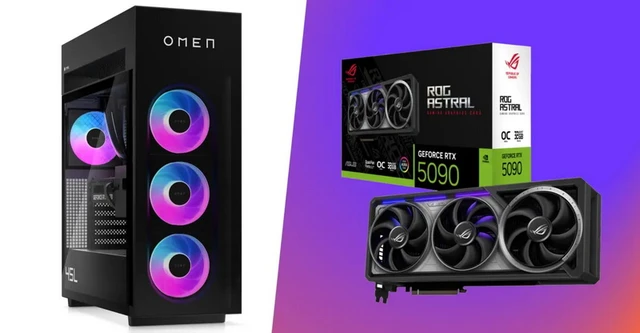 The Economic Paradox of the GeForce RTX 5090