The global space transportation market is undergoing a fundamental paradigm shift, as the long-standing hegemony of state agencies gradually yields to the agility of private enterprises. India, historically recognized for its ambitious government-led mandates, is now pivoting decisively toward the comprehensive commercialization of space. The successful launch of the Vikram-1 rocket stands as a testament to technological sovereignty and the burgeoning entrepreneurial spirit of a new era. This mission did more than merely deliver payloads into orbit; it signaled the dawn of full-scale private sector engagement in the mastery of near-Earth space.
On July 18, 2026, the Satish Dhawan Space Centre marked a watershed moment in aerospace history with the ascent of Vikram-1—the first fully commercial launch vehicle developed by the Indian firm Skyroot Aerospace. This launch signals a fundamental paradigm shift in the industry, moving away from state-led monopolies toward a "NewSpace" model where private capital and engineering agility become the primary catalysts for space expansion.
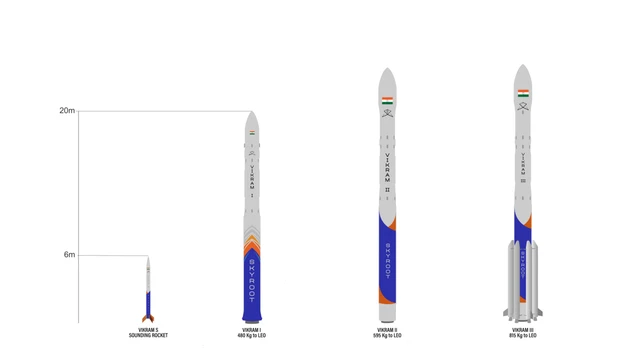
Technically, Vikram-1 is a four-stage light-lift launch vehicle optimized to deliver payloads of up to 350 kg into Low Earth Orbit (LEO). The rocket's architecture reflects a pragmatic approach to efficiency: the first three stages utilize solid propellants to provide massive initial thrust, while the fourth stage employs high-boiling point propellants (a combination of fuel and oxidizer), allowing for high-precision orbital corrections.
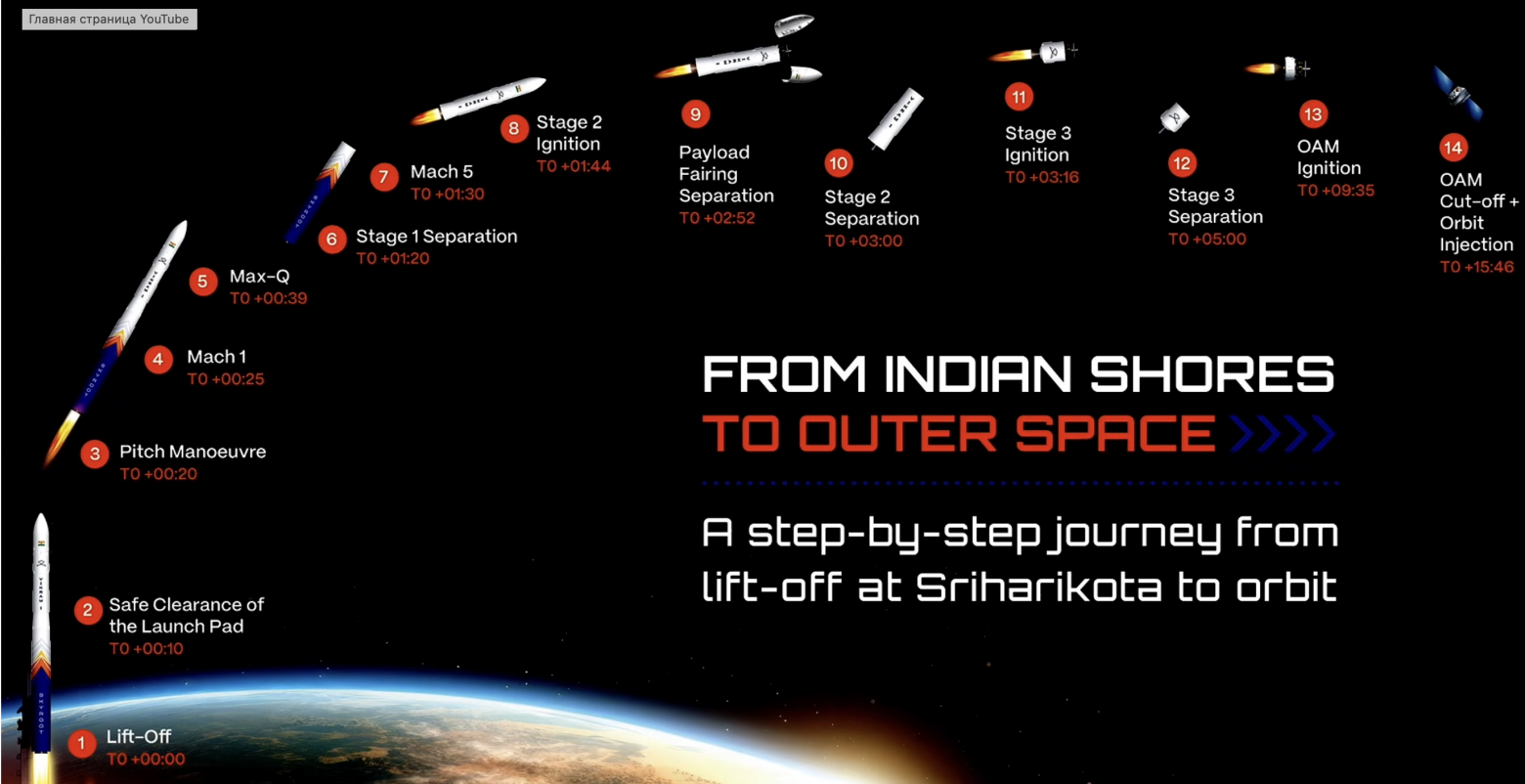
Standing at just 20 meters, the vehicle boasts impressive strength-to-weight characteristics. The airframe is constructed from advanced carbon-fiber composites, a critical design choice to minimize dry mass and maximize the payload fraction. Particularly noteworthy is the level of localization: over 90% of all components were manufactured within India, minimizing reliance on international supply chains and underscoring the maturity of the nation's domestic technological ecosystem.
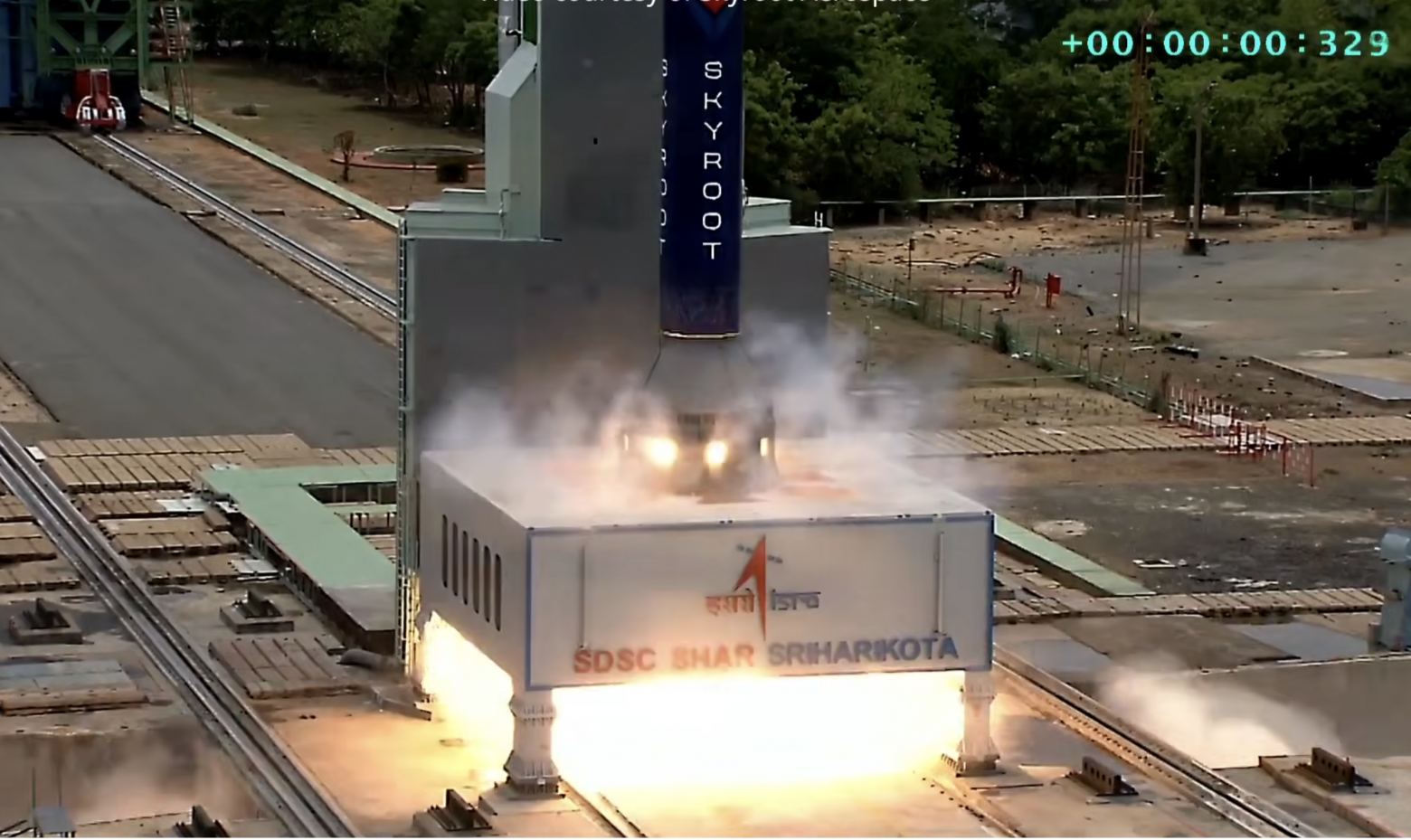
The launch sequence proceeded in strict accordance with the flight profile. The ignition of the engines and the subsequent liftoff represented the culmination of years of rigorous development by Skyroot Aerospace engineers.
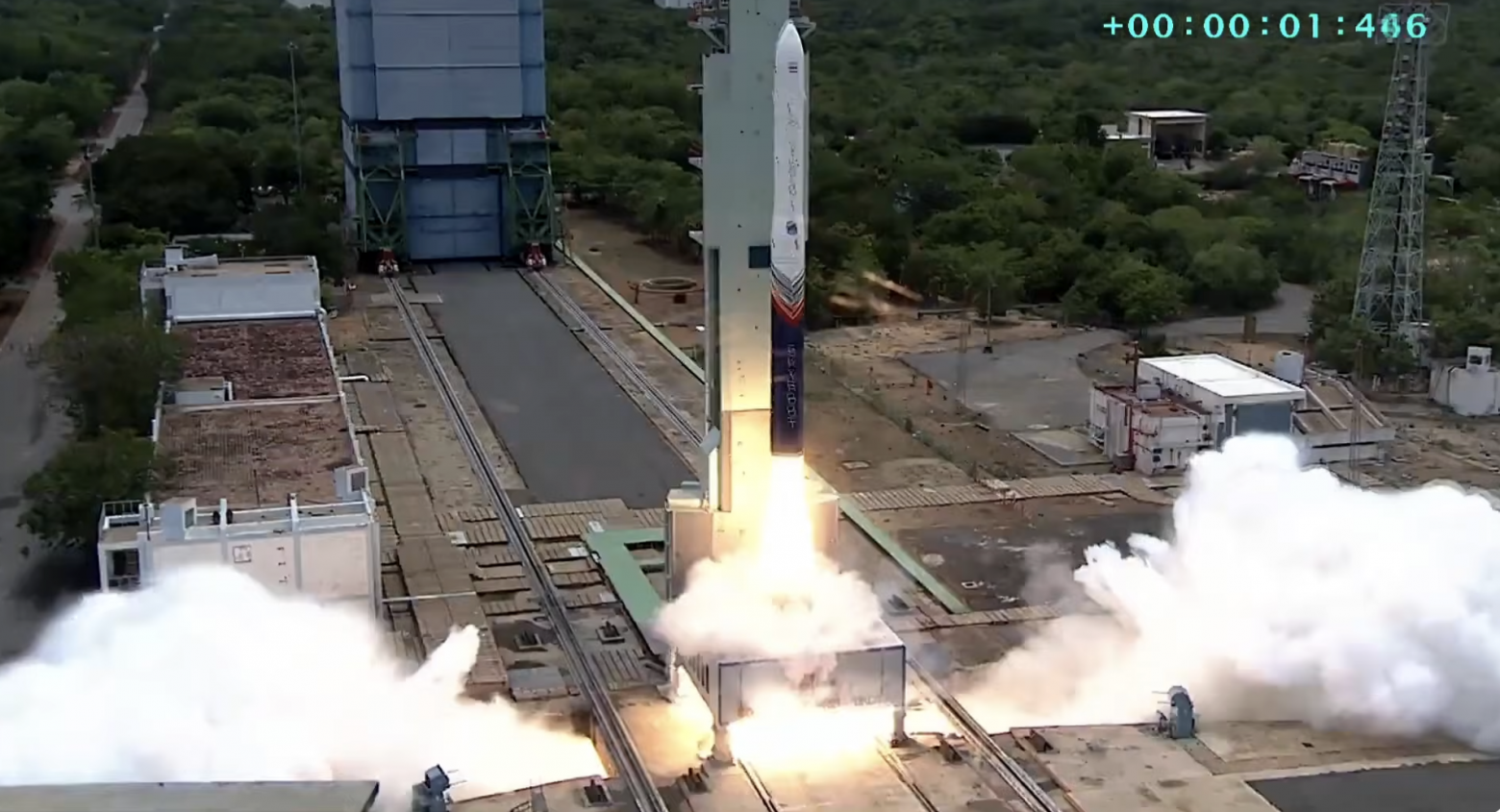
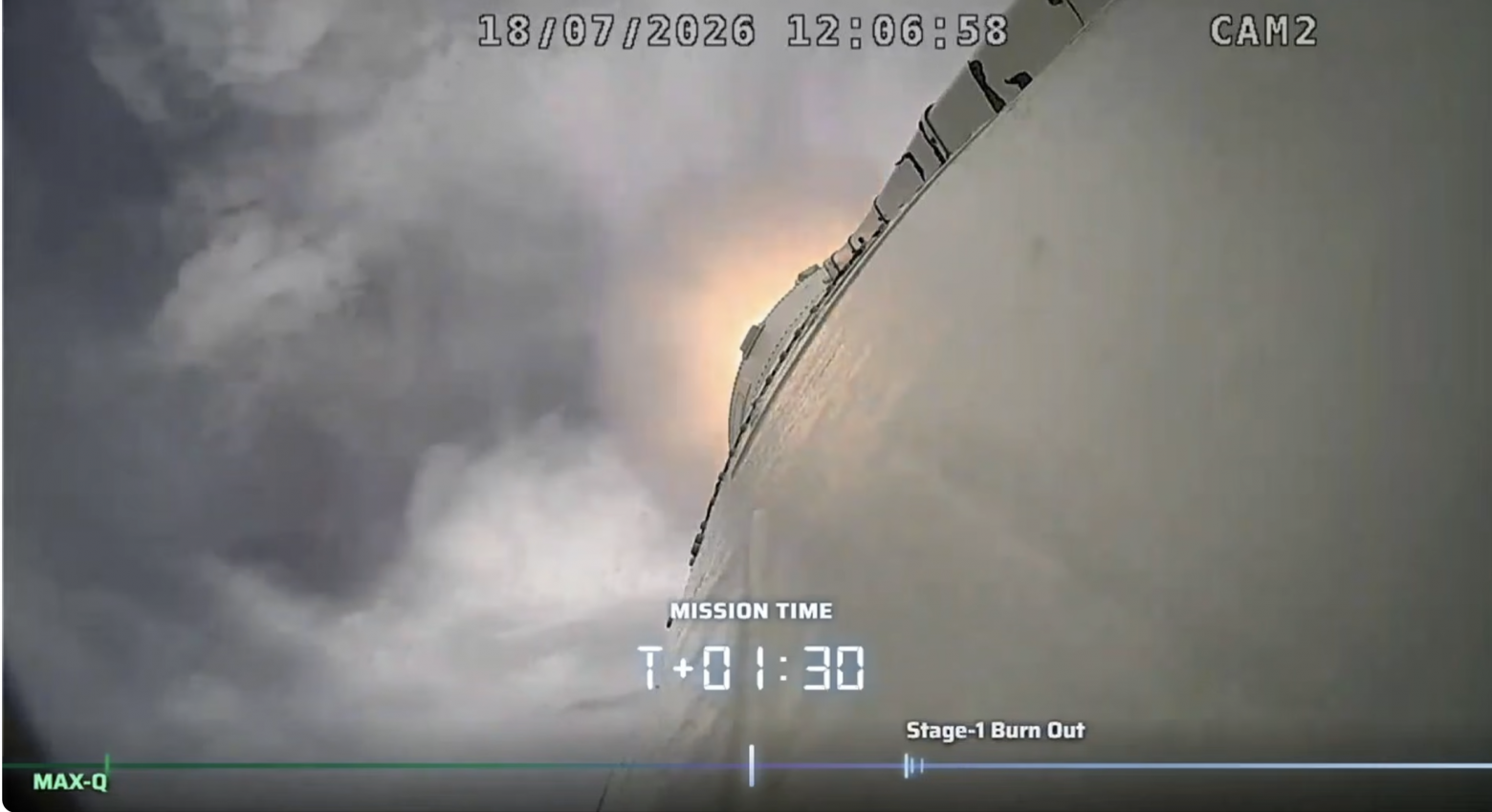
Flight dynamics were captured by onboard cameras, providing a detailed visual record of stage separation and the vehicle's ascent from the Earth's surface. This telemetry confirmed trajectory stability and the flawless operation of all guidance and control systems during the critical phases of climb.
The primary objective of the mission was the deployment of a cluster of CubeSats, including specialized spacecraft such as SOLARAS S3 and SCOPE, alongside several technology demonstrators. The payload deployment process was executed flawlessly; the dispensers opened precisely on schedule, releasing the satellites into their designated orbital slots.
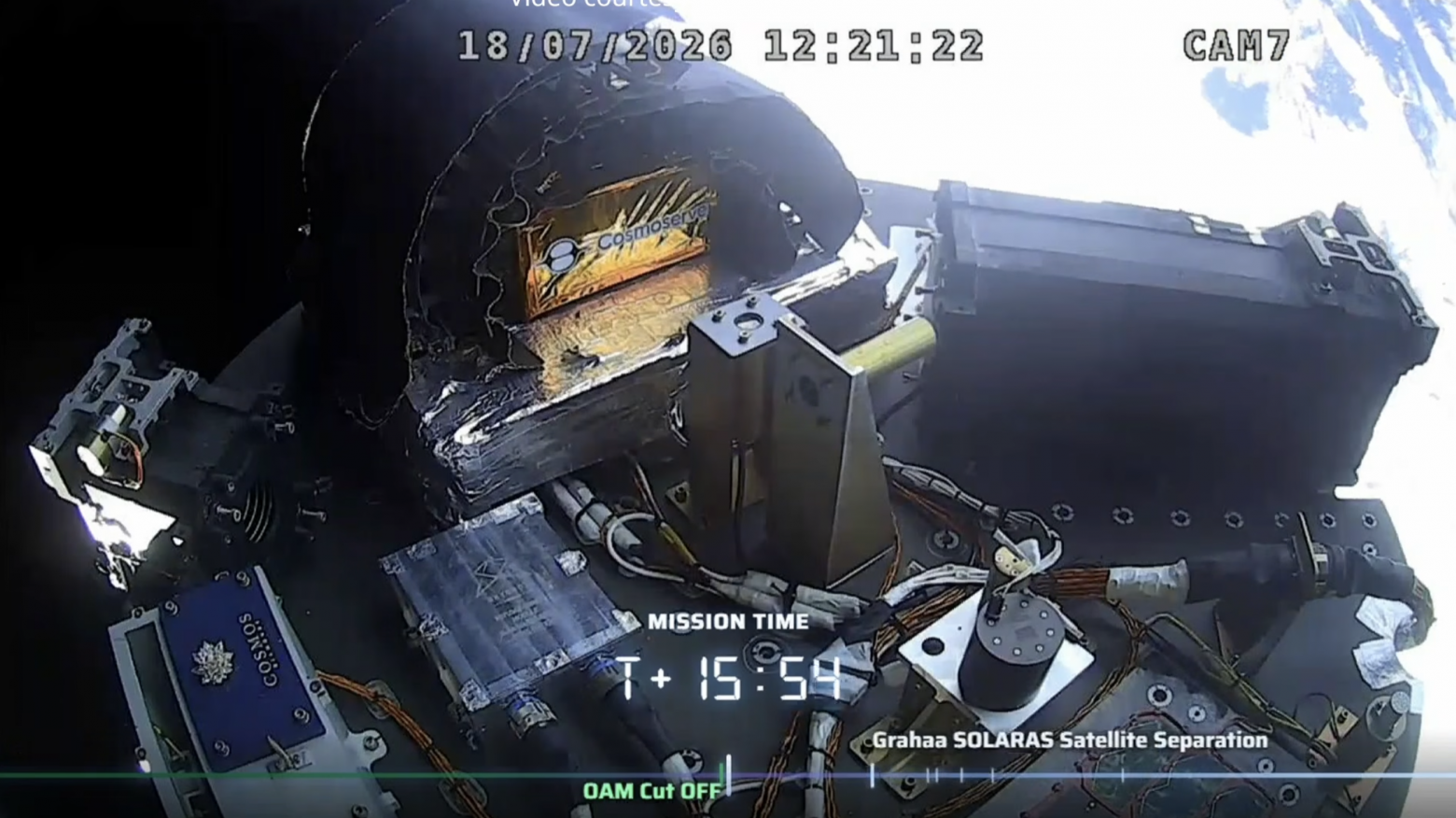
The success was not merely a technical triumph but an emotional milestone for observers recognizing the scale of the achievement. Video footage of the key flight phases vividly demonstrates the precision with which every stage of the mission was executed.

From an economic perspective, Vikram-1 is positioned to capture a significant share of the small-satellite market. With the cost of delivering one kilogram of payload estimated at approximately $15,000, Skyroot Aerospace offers a highly competitive alternative to global incumbents. The evolution of the Vikram rocket family opens new horizons for India, positioning the country as a premier commercial hub for small satellite launches and a key operator in the burgeoning field of orbital logistics.
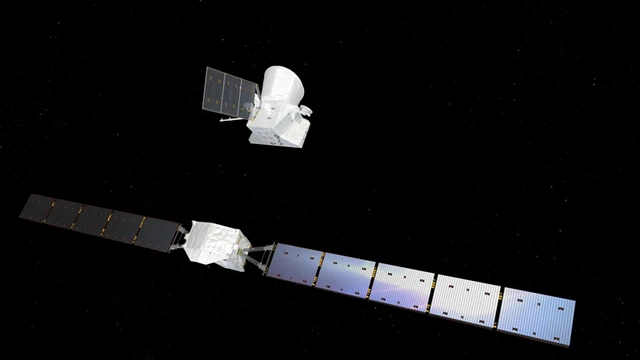 BepiColombo’s Odyssey: At the Threshold of the Sun