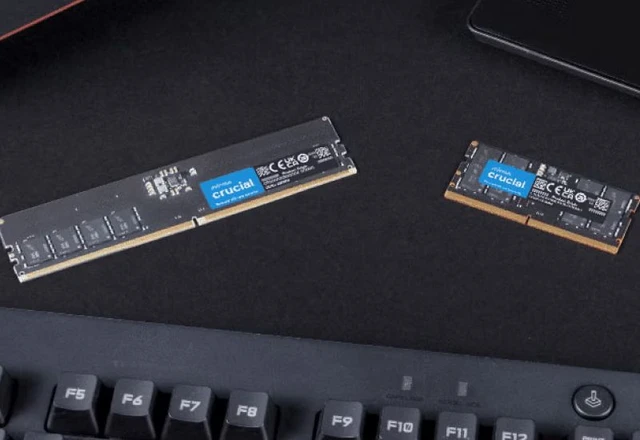
The global semiconductor memory market has plunged into a state of acute scarcity—a direct collateral effect of the meteoric rise of generative AI. Yet, the genesis of this crisis extends beyond mere unprecedented demand, reaching deep into the structural fractures of the industry itself. A long-standing cyclical dependence on price volatility has set a perilous precedent: short-term gains for buyers have ultimately evolved into a long-term technological deficit. Today, the industry is struggling to reckon with the fallout of aggressive dumping, which stifled critical investment at the exact moment it was needed most.
The memory semiconductor industry has traditionally operated within a framework of rigid cyclicality. It is a market where periods of windfall profits are inevitably succeeded by protracted downturns, and component pricing can swing with staggering amplitude. In such climates, manufacturers become prisoners of their own operational logic: to survive a slump in demand, companies are forced to slash expenditures—a move that inevitably precipitates capacity shortages once the market rebounds.
The current "supercycle," catalyzed by the expansion of AI, has exposed the fragility of this system. According to Micron Technology's leadership, the present memory shortage is not a random glitch, but a direct consequence of the aggressive price suppression tactics employed by buyers in previous years. The drive to minimize procurement costs stripped the industry of the critical resources necessary for growth. In 2023, memory prices plummeted to a third of their previous peaks, effectively eviscerating the investment budgets of the sector's largest players.
This situation was further exacerbated by a catastrophic misalignment of timing. Precisely as manufacturers were recording losses and tightening their belts, the generative AI boom erupted. Modern neural networks demand colossal volumes of specialized High Bandwidth Memory (HBM), the production of which requires massive capital expenditure and highly sophisticated technological infrastructure. However, deprived of liquid capital, companies were simply unable to break ground on new facilities in time.
Even a powerhouse like Micron was not immune to this crisis. While the company did not halt capital expenditures entirely, the scale of the reductions was significant: dropping from $12.1 billion in fiscal year 2022 to $7.7 billion the following year. In the semiconductor world, a discrepancy of billions of dollars translates to the loss of entire production lines and delays in mastering new process nodes.
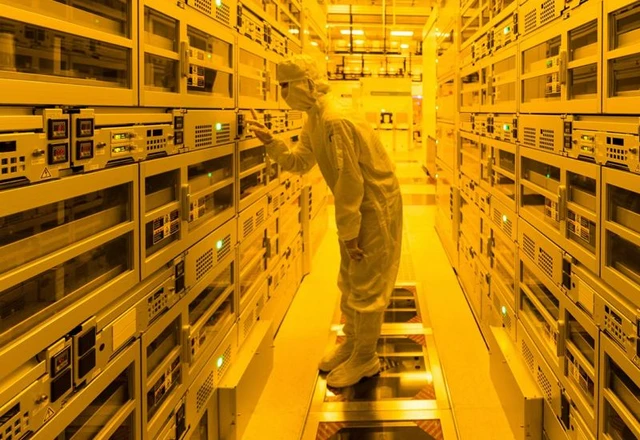
The shortage cannot be resolved with the flip of a switch. Constructing a modern semiconductor fabrication plant (fab) is a multi-year endeavor involving the creation of sterile cleanrooms, the installation of complex lithography equipment, and the painstaking optimization of wafer yields. Given the increasing complexity of these technologies, Micron forecasts that market equilibrium will not be restored until 2027.
To arrest this decline and secure technological sovereignty, the company plans to allocate approximately $200 billion toward U.S.-based production and R&D. A cornerstone of this strategy is a new site in Idaho, where two plants are slated for launch. While the first chips from this facility are expected by mid-next year, achieving full market saturation will require significantly more time and resources.
 The Evolution of the Apple Home Ecosystem