The AI revolution is typically viewed through the lens of algorithms and high-performance GPUs. Yet, behind this digital veneer lies a massive physical infrastructure with staggering resource requirements. From the chemical purity of industrial gases to precision thermal management, this hidden layer of the industry is emerging as a primary driver of the global market. This shift signals a pivotal transition: moving beyond speculative growth toward an era of large-scale industrial deployment.
When discussing the profitability of generative AI, attention typically centers on semiconductor titans and hyperscale cloud providers. However, the modern compute stack comprises more than just code and silicon; it is underpinned by complex physical processes. Today, financial flows are beginning to shift toward the companies providing the "material" side of this ecosystem: suppliers of industrial gases, vacuum systems, and heat exchangers.
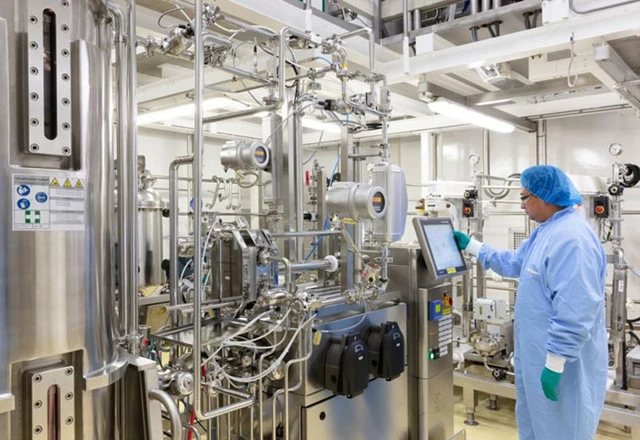
Semiconductor fabrication demands environments of extreme purity and ultra-high vacuum. This is where players like Atlas Copco AB come into play. Despite broader market volatility last year, the Swedish conglomerate is demonstrating rapid expansion in its semiconductor equipment segment, with projected revenue growth reaching 19%. Vacuum pumps and gas abatement systems have become critical nodes in the production chain for modern GPUs and AI accelerators.
Simultaneously, thermal management has emerged as a primary bottleneck. The power density of modern data centers is growing exponentially, rendering traditional air cooling increasingly obsolete. Alfa Laval AB dominates this niche; its liquid cooling systems have become a primary growth engine for the company, with forecasted revenue increases of 12.85%. The shift toward more aggressive thermal regulation is not merely a technical necessity but an economic imperative to ensure the operational stability of AI clusters.
The industry's chemical foundation is also undergoing a transformation. Air Liquide SA, which provides the sector with industrial gases, is seeing significant growth in its specialized revenue streams. Approximately 40% of the company's orders are now tied to the semiconductor industry, highlighting the deep dependence of high-tech on basic chemistry. A similar trend is evident with Wacker Chemie AG, a leading supplier of polycrystalline silicon—the essential raw material for chip manufacturing.
Recognizing that "first-tier" stocks have already peaked, investors have begun hunting for undervalued assets deep within the supply chain. This trend has brought even manufacturers of specialized coatings and data center flooring into the crosshairs of venture capital. The market is pivoting toward a "selling shovels during a gold rush" strategy, where the winners are those providing the foundational infrastructure.
Ultimately, the AI boom is creating a unique synergistic effect, allowing industrial giants to offset downturns in traditional sectors. For instance, demand from AI infrastructure is effectively neutralizing stagnation in civil construction for HVAC manufacturers. In this way, the digital transformation of the economy is fueling a renaissance in heavy and chemical industries, integrating them as indispensable components of technological progress.
 Anthropic’s Strategic Push for Hardware Independence