The promise of full vehicle autonomy often founders upon the fragility of the systems designed to monitor human attentiveness. A recent incident in Canada, where a driver fell asleep at high speed, has exposed a perilous gap in driver-monitoring technologies. When safety hinges on visual analysis, something as simple as a pair of sunglasses can become a critical point of failure. This case compels a fundamental reconsideration of the divide between Level 2 automation and genuine road safety.
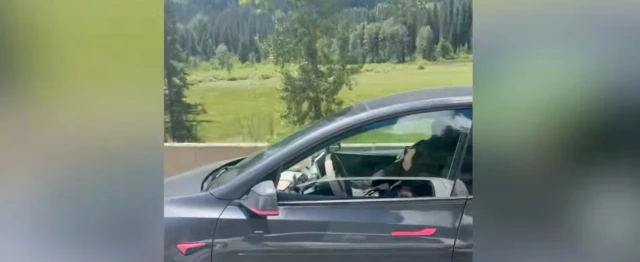
A recent incident on a highway in British Columbia, Canada, serves as a stark illustration of the precarious nature of trust in modern Advanced Driver Assistance Systems (ADAS). A viral video captured a harrowing scene: a Tesla, cruising at speeds exceeding 100 km/h, was effectively devoid of human oversight as the driver was fast asleep. The gravity of the situation was compounded by the presence of two children in the vehicle, their lives left entirely to algorithms that, in this critical moment, proved utterly powerless.
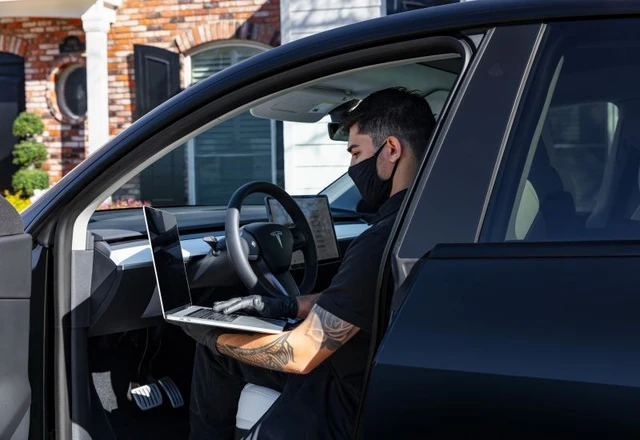
The technical root of the failure lies in the specific implementation of the Driver Monitoring System (DMS). Tesla relies on a camera integrated into the rearview mirror assembly to analyze facial expressions and, most crucially, the movement of the pupils and eyelids in real time. In this instance, however, the driver was wearing oversized sunglasses, which completely obstructed the camera's line of sight to her eyes.
When the visual channel is compromised, the system reverts to a fallback mechanism that is considered rudimentary by industry standards: steering wheel torque sensing. This method merely detects physical pressure on the wheel; it is incapable of distinguishing between active, conscious steering and the passive weight of a sleeping person's hands. Consequently, the vehicle continued its trajectory, "assuming" the driver was alert, while actual control had been completely lost.
This incident brings a critical question regarding the legal and technical classification of autopilot systems to the forefront. According to SAE International standards, the Full Self-Driving (FSD) feature is categorized as Level 2 automation. This means that despite its advanced capabilities, the driver is mandated to remain fully vigilant and bears absolute responsibility for the vehicle's operation. In British Columbia, the law explicitly prohibits the operation of Level 3 systems and above on public roads, highlighting the chasm between the marketing rhetoric of "autonomous driving" and the harsh legal reality.
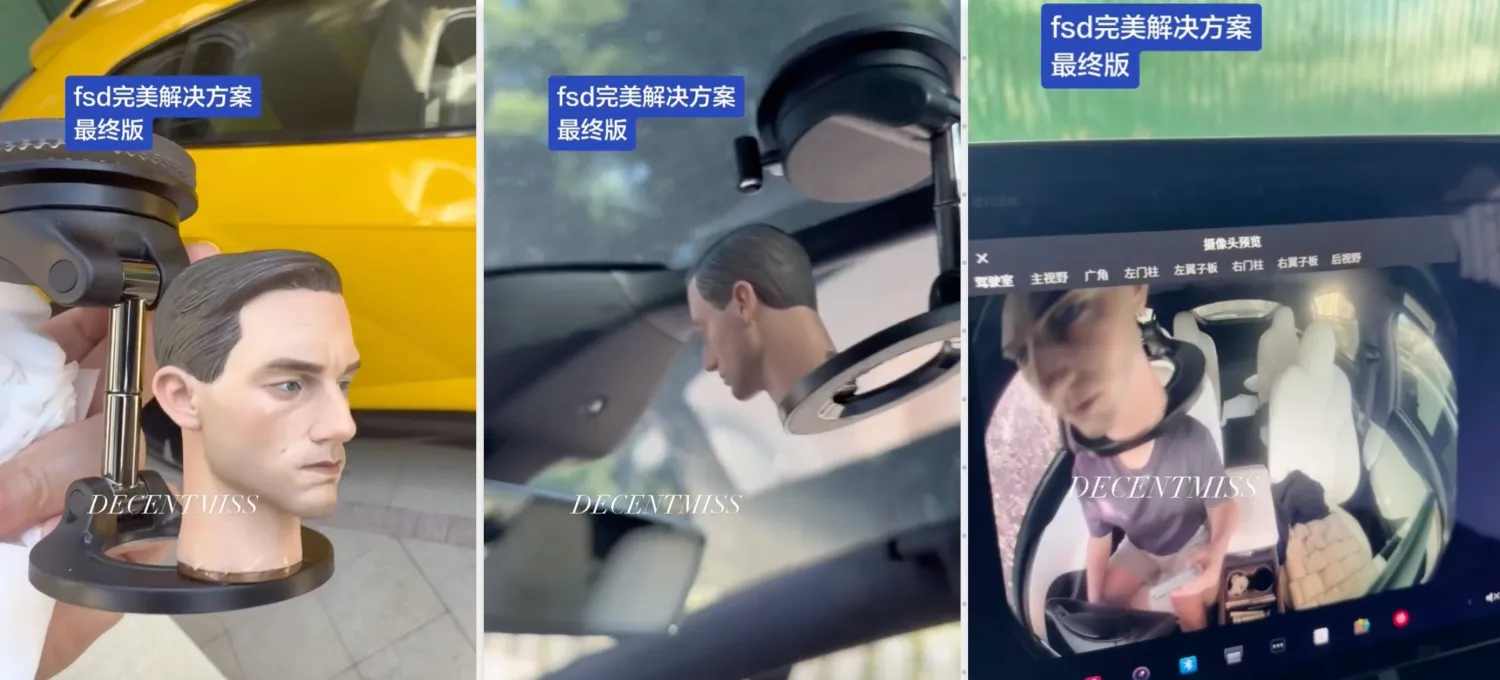
The "blindness" of Tesla's cameras is not an isolated phenomenon. There have been previous reports of blatant workarounds for the monitoring system in China, where drivers employed inexpensive plastic mannequin heads. These decoys, costing only a few dozen dollars, successfully deceived the algorithms by creating the illusion of an attentive human presence.
Such vulnerabilities point to a systemic failure in an approach based exclusively on RGB cameras. To ensure genuine safety, the industry must pivot toward multimodal monitoring: the integration of infrared (IR) sensors capable of "seeing" through dark lenses, combined with the analysis of the driver's biometric data. Until then, incidents like this serve as a sobering reminder that any automation lacking robust, fail-safe oversight remains nothing more than a dangerous illusion.
 Anthropic’s Strategic Push for Hardware Independence