The era of AI interaction is transcending the confines of text fields and browser tabs, manifesting in tangible, physical form. The emergence of dedicated hardware for managing AI agents signals a shift toward a new echelon of productivity—one where the physical interface serves as a seamless extension of the cognitive process. The resounding success of Codex Micro underscores the professional community's readiness to invest in tools designed to optimize intricate workflows, highlighting a growing demand for tactile control over autonomous programming systems.
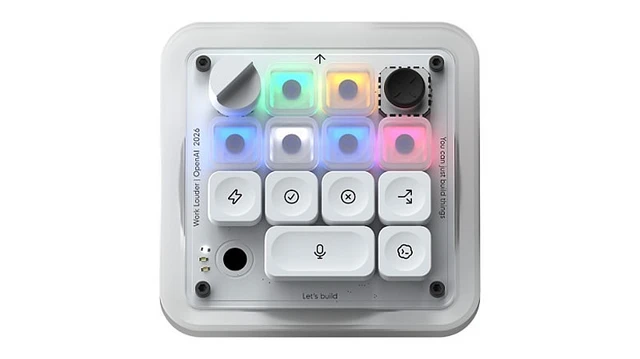
The software engineering landscape is undergoing a fundamental shift: simple code completion is giving way to agentic systems capable of autonomously executing complex, multi-stage tasks. In this context, the Codex Micro—a collaboration between OpenAI and the mechanical hardware experts at Work Louder—is far more than a mere accessory; it is a specialized command center. The device is designed to bridge the gap between developer intent and AI execution, shifting control from the software interface into the realm of physical interaction.
The market response to the release was instantaneous. Despite its premium $230 price point, the limited production run sold out in less than twenty-four hours. This surge in demand underscores a critical trend: for "power users," workflow efficiency and the reduction of cognitive load carry far more value than the cost of the hardware itself.
The technical specifications of the Codex Micro are dictated by the unique demands of interacting with agentic programming systems. Eschewing a standard layout, the device features 13 mechanical keys complemented by a joystick and a rotary encoder. A touch sensor and swappable keycaps allow users to tailor the interface to specific use cases, transforming the keyboard into a high-precision instrument for managing data streams and system states.
Of particular note is the "Agent Keys" concept—six specialized keys equipped with RGB backlighting. In modern development, monitoring an AI agent's status often requires constant window-switching or log analysis, which inevitably shatters the developer's state of flow. OpenAI’s solution moves this information into the user's peripheral vision: color indicators provide instant feedback on whether the agent is in a "thinking" phase, awaiting confirmation, executing a task, or encountering a critical error.
This approach to interface design transforms the Codex Micro into a sort of "intelligence dashboard." By leveraging tactile feedback and visual cues, the programmer can maintain focus on high-level architectural challenges while delegating routine execution oversight to the agents. It represents a significant step in the evolution of the future workspace, where the boundary between software and hardware becomes virtually transparent.
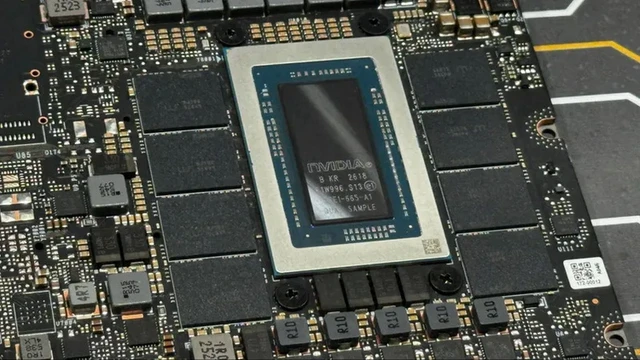 Nvidia N1X and the New Era of Arm PCs