For years, the global energy transition has been framed as a binary struggle between lithium-ion batteries and hydrogen fuel cells. Japan, however, is charting an alternative course—one that could fundamentally shift the industry's power dynamics. Rather than relying on costly electrochemical systems, the nation's industrial titans are betting on the adaptation of traditional internal combustion engines to run on hydrogen. This pragmatic strategy seeks to bridge the gap between a storied legacy of mechanical engineering and the urgent mandates of environmental sustainability.
For years, hydrogen in the transport sector was synonymous with fuel cells. The operational principle is elegant: hydrogen reacts chemically with oxygen to generate electricity, leaving nothing behind but pure water vapor. Yet, this purity comes at a steep price—both financially and technologically. The complexity of production and the cost of materials have rendered such systems largely inaccessible for mass adoption.
Japanese engineers, drawing on their vast expertise in traditional powertrain development, are seeking a way out of this impasse. Rather than abandoning piston-based systems entirely, they are proposing a pivot: adapting the internal combustion engine (ICE) to burn hydrogen. This is not merely an attempt to salvage legacy technology, but a strategic calculation. By leveraging steel and aluminum instead of rare-earth metals and complex membranes, the cost of the powertrain can be reduced nearly tenfold.
A vanguard of this movement is Kawasaki Heavy Industries. Their O’Cuvoid—a compact hydrogen-ICE-based electrical generator—is designed as a viable alternative to mid-sized battery packs. Occupying less than one square meter, the device can deliver up to 35 kW of power. Its modular architecture allows multiple generators to be linked, opening the door for heavy-duty applications, including electric locomotives.
The technical implementation requires a fundamental rethink of classical engine design. Specifically, Kawasaki is integrating specialized mechanical compressors into its hydrogen engines to offset the unique properties of the fuel. Despite the gas's high volatility and flammability, the advantage is clear: the world already possesses a massive infrastructure for the production and maintenance of ICEs, which can be adapted to new needs without starting from scratch.
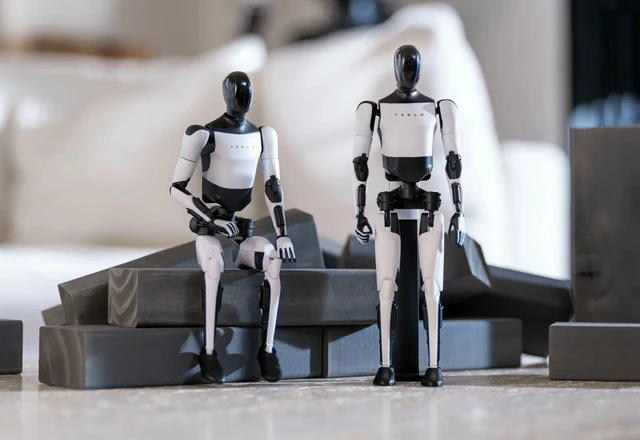
The application of these systems extends beyond conventional transport. By 2035, Kawasaki plans to power Corleo—a quadruped robot designed to replace horses for transporting tourists across rugged terrain—with a hydrogen generator. This underscores Japan's ambition to integrate hydrogen ICEs across the entire spectrum of autonomous machinery.
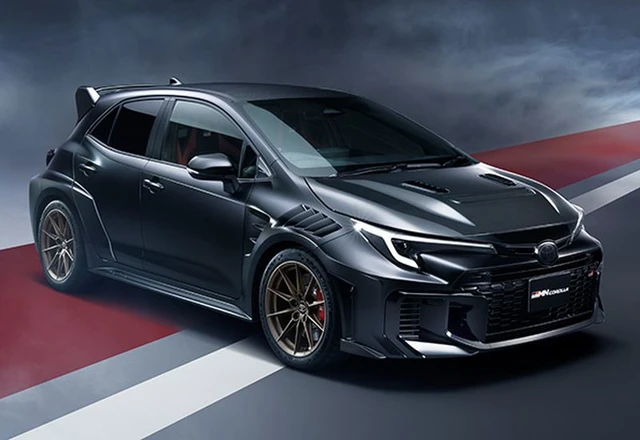
Industry titans such as Toyota and Honda are aligning with this trend. While they previously focused exclusively on fuel cells, they are now actively experimenting with hydrogen combustion, developing racing prototypes to battle-test the technology under extreme conditions and prove its efficacy. Analysts predict that by 2036, the global market for hydrogen ICEs could exceed $20 billion.
From a technical standpoint, the hydrogen ICE offers several undeniable advantages over the fuel cell-electric motor pairing. First, it is far less stringent regarding gas purity; while fuel cells require ultra-high-purity hydrogen, an ICE can operate on more accessible gas mixtures, including those containing methane. Second, these engines can ramp up power more rapidly, a critical factor for vehicle dynamics.
However, this path is not without its compromises. The primary drawback is efficiency: fuel cells can reach efficiencies of 60%, whereas the hydrogen ICE barely hits 40%. Furthermore, unlike the zero-emission profile of fuel cells, the combustion of hydrogen in cylinders still produces nitrogen oxides (NOx), making the exhaust less environmentally pristine.
Nevertheless, pragmatism is prevailing. Mitsubishi’s trucking division and India’s Tata Motors are already exploring the integration of hydrogen ICEs into commercial transport, where the total cost of ownership (TCO) and ease of repair are the deciding factors.
Japan's road to a "hydrogen future" has been fraught with challenges. An over-reliance on fuel cells led to a period of stagnation as charging networks dwindled and battery-electric vehicles seized the initiative. Now, the government has set an ambitious target: increasing hydrogen supplies to 20 million tons by 2050. The central challenge remains the cost of "green hydrogen" produced via electrolysis using renewable energy. A five-fold reduction in its price by mid-century will be the catalyst that finally transforms the hydrogen ICE from an engineering experiment into a new industry standard.
 Driver Attention Monitoring in Tesla Electric Vehicles