The gaming industry stands on the precipice of one of the most pivotal moments of the decade: the release of Grand Theft Auto VI. Yet, this anticipated triumph coincides with a systemic crisis in the semiconductor market, triggered by the global explosion of artificial intelligence. Sony now finds itself at a critical juncture where the immense potential of software demand collides with the brutal economic realities of hardware production. This strategic friction is redefining the dynamics of the battle for dominance in the console market.
The launch of Grand Theft Auto VI is poised to be a massive sales catalyst for Sony, positioning the PlayStation 5 as the primary vehicle for consuming this content. The tight synergy between the Japanese giant and Take-Two Interactive creates a scenario where the vast majority of new entrants will inevitably gravitate toward the PlayStation ecosystem. However, this optimism is tempered by fundamental disruptions in component supply chains.
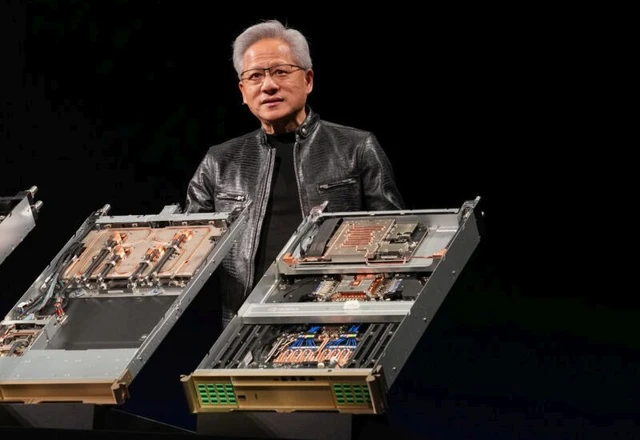
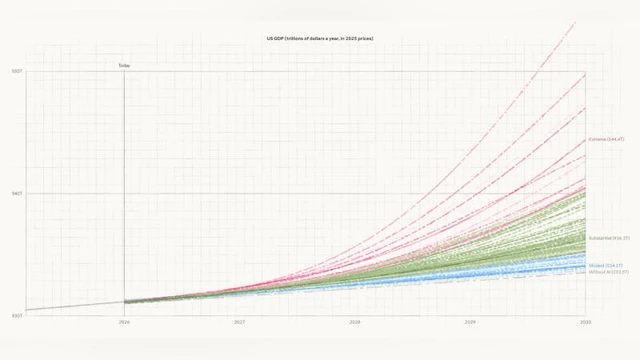
The modern memory market has effectively become a hostage to the AI boom. Surging demand for high-performance chips tailored for training neural networks has triggered a spike in semiconductor pricing, directly eroding console manufacturing margins. While Sony has managed to stabilize supplies for the current fiscal year, the long-term outlook remains precarious: sustained component costs will continue to weigh on the company's capitalization and necessitate upward revisions of retail pricing.
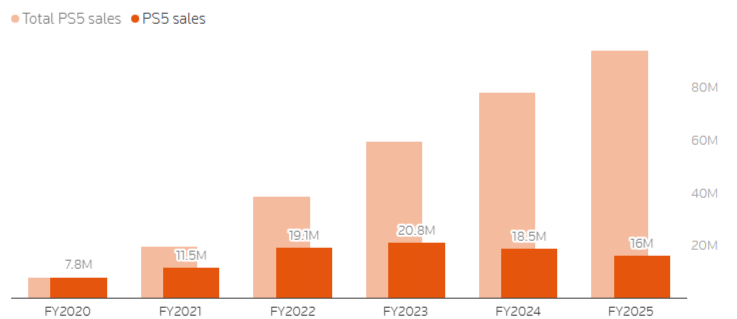
From a product lifecycle perspective, the timing of GTA VI’s release is problematic. In an ideal scenario, a "killer app" of this magnitude should debut during the platform's aggressive adoption phase to drive initial hardware sales. Instead, the game arrives as the PlayStation 5's expansion cycle begins to plateau. The increased cost of the console—driven by expensive memory—raises the barrier to entry higher than market logic would dictate for maximizing audience reach.
Simultaneously, the commercial strategies of both Take-Two and Sony are pivoting toward aggressive monetization. The base version of GTA VI, priced at $79.99, will be available exclusively in digital format. This move aligns with Sony’s long-term roadmap to phase out physical media by 2028. Shifting to a digital-first model allows these companies to radically expand margins by eliminating logistics and disc production costs, though it has predictably sparked backlash among the more conservative segments of the gaming community.
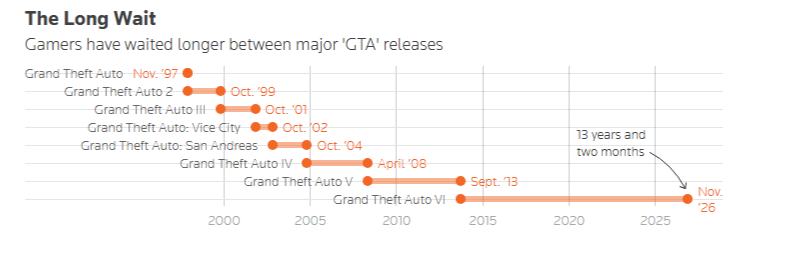
Analysts suggest that Sony's upcoming financial reports may reflect a dip in hardware sales directly attributable to memory costs. In response, the company may opt for a strategic reduction in production volumes to weather the peak of semiconductor price volatility.
This environment creates significant risks for the planning of next-generation consoles, expected by the end of the decade. The industry is at a crossroads: while some await a full-fledged successor to the PS5, others are betting on the handheld segment as a more agile instrument for adapting to the economic challenges of the AI era.

 Virtual Gamepads within the Google TV Ecosystem