The foldable device market is entering a phase of maturity, where the competition for user mindshare has shifted from basic utility toward the nuances of ergonomics and aesthetics. Google continues to refine the delicate balance between screen proportions and practical usability, carving out a distinct path in contrast to Samsung’s established offerings and Apple's looming entries into the space. The premature leak of marketing materials provides a rare opportunity to dissect the company's hardware trajectory in detail, offering critical insights into how the tech giant envisions integrating its devices into a unified visual ecosystem.
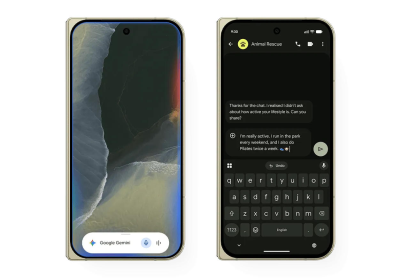
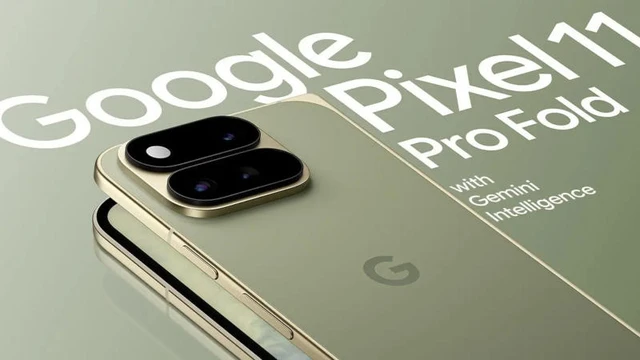
The spotlight falls on the new Google Pixel 11 Pro Fold. Analysis of available renders suggests that Google is pursuing a conservative yet refined evolutionary path for its form factor. While recent trends in Samsung's Z Fold series and anticipated iPhone foldable concepts lean toward narrower, more compact cover displays, Google maintains an elongated aspect ratio for the external panel. This design choice directly enhances the user experience, transforming the device in its folded state into a fully functional tool for text and interface interaction, eliminating the constant need to unfold the hardware.
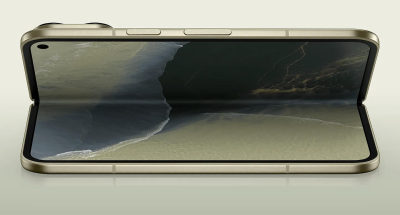
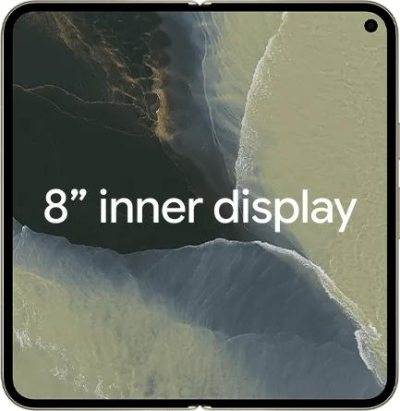
The device's interior real estate remains largely unchanged, with the primary display maintaining an 8-inch diagonal. This screen area allows for the efficient utilization of Android’s multitasking capabilities, effectively turning the gadget into a fully realized compact tablet. However, the most significant updates center on visual identity and functional chassis refinements.
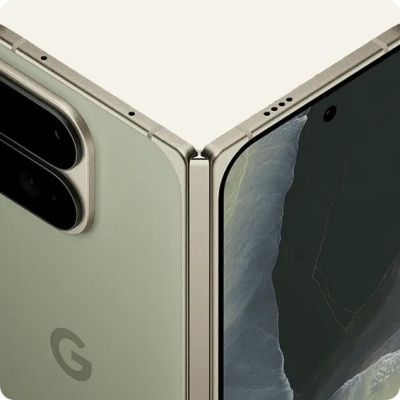
The redesigned camera housing warrants particular attention. Beyond updated optical modules, an RGB LED indicator has appeared on the rear panel. This element serves as a key design accent and, according to current leaks, will also be integrated into the standard Pixel 11 Pro. Such a move signals a return to functional signaling, allowing users to instantly determine device status without activating the screen.
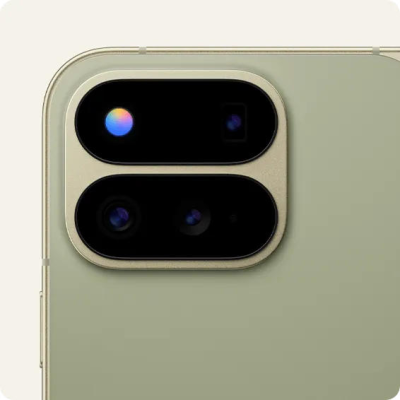
The new lineup's color palette shifts toward an organic aesthetic, dominated by a deep olive green hue. This choice underscores the brand's desire to pivot away from a sterile corporate style in favor of softer, premium tones that distinguish the device from its competitors.
Google's ecosystem-centric strategy extends to its accompanying accessories. Leaked images reveal new Pixel Buds and Pixel Watch, both finished in the same color scheme. This design synchronization highlights the company's ambition to create a seamless user experience where peripherals act as an organic extension of the primary smartphone.
Yet, beneath the aesthetic appeal lie significant economic headwinds. The current state of the semiconductor market—characterized by shortages and rising costs for memory chips (NAND and DRAM)—will inevitably impact final pricing. Consumers will likely face price hikes compared to the previous generation, as component costs directly influence the manufacturing overhead of high-tech panels and memory modules.
The official unveiling of the entire lineup is expected at the Made by Google event, scheduled for August 12. This event will be pivotal in determining whether Google can solidify its position in the premium foldable segment and offer the market truly innovative use cases.
 Apple’s Strategic Foray into the Gaming Controller Market