Global semiconductor supply chains are currently navigating a period of profound structural transformation. The long-standing dominance of South Korean and American titans is facing a formidable new challenge from the East. A critical shortage of memory modules is compelling leading hardware vendors to look beyond their traditional partner ecosystems for viable alternatives. Consequently, the integration of CXMT chips into high-performance systems marks a pivotal strategic shift within the industry.
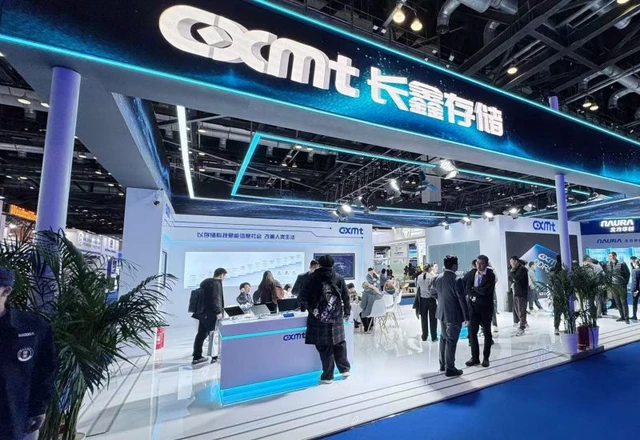
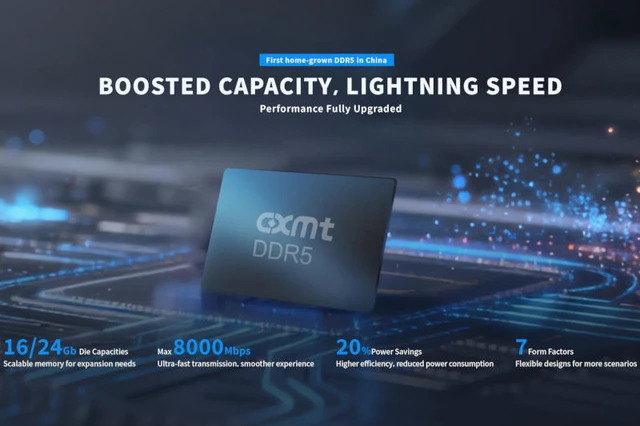
For years, the global memory market existed in a state of rigid oligopolistic equilibrium, with the rules of engagement dictated by a triumvirate: Samsung, SK Hynix, and Micron. However, current market dynamics—defined by supply chain volatility and critical component shortages—have opened a strategic window for new contenders. At the center of this shift is CXMT, whose innovations are rapidly penetrating the ecosystems of the world's leading hardware manufacturers.
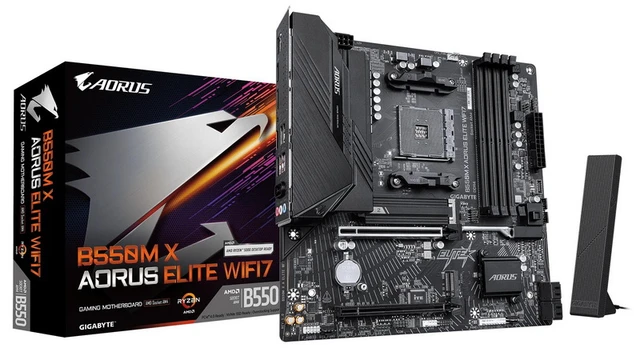
The first significant signal of this pivot came from MSI. The manufacturer has optimized its AM5 platform motherboards to provide full support for DDR5 modules clocked at 8000 MHz and above, powered by CXMT chips. This is a pivotal development, as achieving such high frequencies requires meticulous BIOS tuning and deep compatibility with the processor's memory controller. The fact that a major Taiwanese vendor is investing resources into adapting its hardware for Chinese components underscores the seriousness of the intentions on both sides.
While memory availability outside of mainland China remains limited, the trajectory is clear: if the shortages from traditional US and South Korean suppliers persist through the end of next year, the industry's reliance on Chinese silicon will become inevitable. We are already seeing this play out in the consumer segment. Lenovo, for instance, is aggressively integrating Chinese memory and SSDs into its devices—a move that has allowed the company to maintain its edge in the US budget market, where sourcing affordable PCs has become a genuine challenge.
This adaptation process is not confined to the budget sector; it is climbing into premium gaming lines. Asus has begun certifying memory modules from brands such as Biwin, Asgard, and Lexar under its elite ROG umbrella. Simultaneously, Biwin chips have started appearing in high-performance Acer Predator gaming laptops. Until recently, the use of Chinese memory in the gaming segment was a rarity, dismissed due to lower performance metrics and smaller production volumes compared to Korean counterparts. Today, however, priorities have shifted toward risk diversification.
Ultimately, the expansion of CXMT and its associated brands beyond the Chinese domestic market could lead to a necessary correction in industry pricing. The emergence of a viable alternative supplier capable of mass-producing DDR5 modules fosters healthy competition and has the potential to deflate inflated memory prices. Taiwanese manufacturers, being the most sensitive to supply chain fluctuations, were the first to acknowledge this new reality: the presence of Chinese chips on the global market is now a factor that can no longer be ignored.
 The Price of Acceleration: CXMT’s Rapid Push into Memory