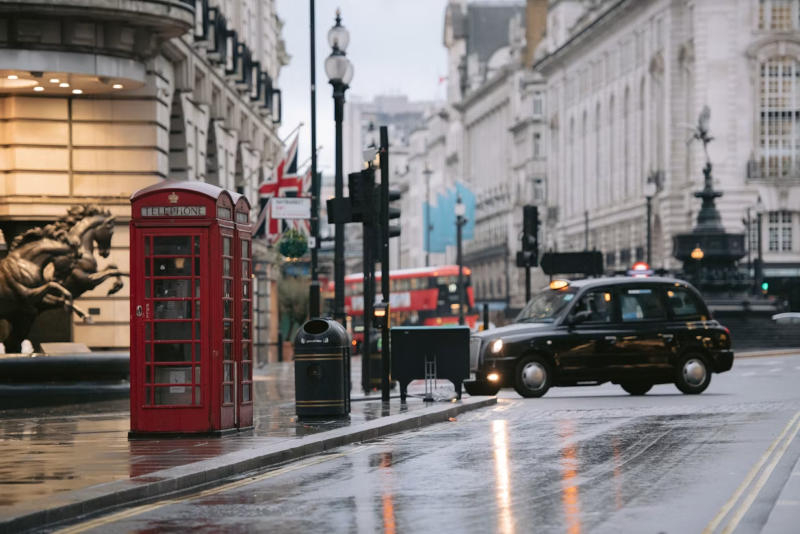
The global urban mobility landscape is undergoing a fundamental paradigm shift, as legacy service models collide with the rise of algorithmic orchestration. London—defined by its iconic black cabs and a fierce rivalry with ride-hailing giants—has emerged as the quintessential proving ground for autonomous systems. Human intuition is being supplanted by the neural networks of Waymo and Wayve, both of which promise to slash transit costs dramatically. Yet, beneath the veneer of total automation lies a fraught adaptation process—a friction point where technical precision meets the chaotic unpredictability of the urban sprawl and the irreplaceable value of human empathy.
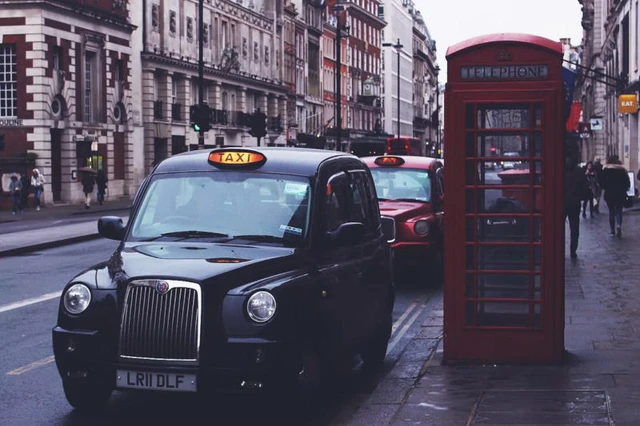
The history of the London taxi is a chronicle of a perpetual struggle for survival. The industry was first upended by the arrival of Uber, which effectively rewrote the rulebook and stripped traditional drivers of a significant portion of their earnings. Yet, the professionalism and deep institutional knowledge of the city allowed the "black cabs" to weather the storm. Today, history is repeating itself, but the adversary has become more abstract and efficient: the robotaxi has arrived on the city's streets.
London was selected as the first European testing ground for autonomous systems by Waymo (an Alphabet subsidiary) and the startup Wayve. While this initiative enjoys government backing, it has sparked a polarized response among those accustomed to navigating the city manually. Among drivers, the mood is a volatile mix of skepticism and anxiety. Some view autonomous vehicles as an existential threat and are seriously discussing sabotage tactics—ranging from provocations designed to force the algorithm into an infinite loop of yielding, to the creation of artificial road scenarios intended to trigger fines or insurance claims. Despite this, developers of autonomous driving systems report no systemic attempts at interference thus far.
The primary technological challenge of London lies in its inherent chaos. Narrow medieval streets, unpredictable pedestrian behavior, and a multitude of unwritten rules regarding right-of-way create an environment that is exceptionally difficult to digitize. While a veteran cabbie relies on intuition and a tacit social contract with other road users, AI operates within the confines of rigid probabilistic models. Furthermore, there is the loss of a critical social component—the human interaction that, for many, is an integral part of the journey.
Nevertheless, the economic trajectory is relentless. The rollout of ride-sharing in the US demonstrated that the entry of new digital players inevitably leads to a decline in revenue for traditional carriers. Robotaxis promise to be cheaper and more accessible, creating the risk of mass displacement of human drivers. However, the reality of automation is proving to be less precipitous than the glossy marketing brochures suggest.
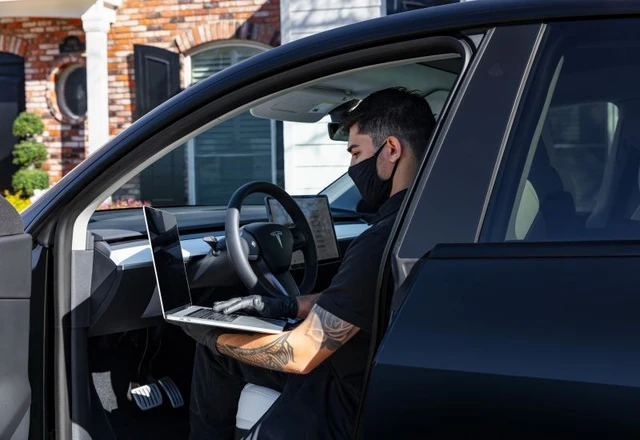
At this stage, full autonomy remains an illusion. A driverless fleet requires a massive support infrastructure: technical maintenance, constant monitoring, and remote intervention. A new labor market is already emerging in London—vacancies are appearing for technicians who, equipped with e-bikes, will patrol the city to recover "frozen" or stranded vehicles. In this sense, we are witnessing not so much the destruction of jobs as their transformation: the driver is evolving into an operator or a service engineer.
Currently, the disparity in scale is vast: millions of Uber drivers stand against only a few thousand robotaxis worldwide. This provides the industry with a window for adaptation. Moreover, there is a layer of service that algorithms will be unable to replicate for the foreseeable future. This is the realm of basic human care: assisting passengers with limited mobility, recovering lost items, or providing the simple sense of security when a driver ensures a passenger has safely entered their home late at night. It is precisely this "emotional infrastructure" that remains the human's primary advantage over the code.
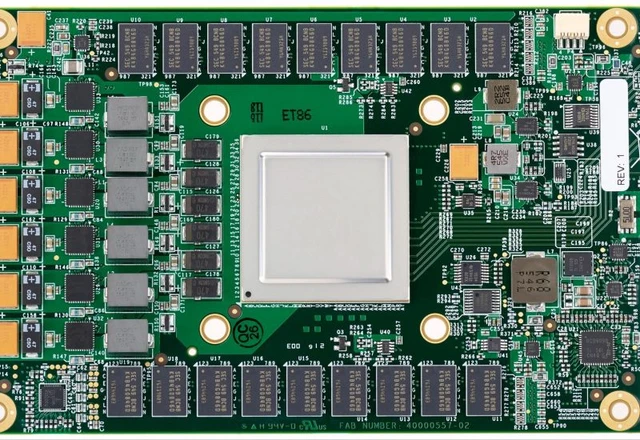 Anthropic’s Strategic Push for Hardware Independence