Apple is reimagining the fundamental blueprint of the modern smartphone, seeking a delicate equilibrium between ultra-compact design and uncompromising functionality. The iPhone Air series represents more than just a new product line; it serves as a technological sandbox, allowing the company to refine the innovations that will eventually underpin its foray into foldable devices. The second iteration of this ultra-slim device is engineered to rectify the shortcomings of its predecessor, evolving the concept from a daring experiment into a sophisticated, production-ready tool. This move signals a radical departure from the traditional annual update cycle, pivoting instead toward a more agile and strategic market approach.
Apple’s "Air" philosophy has always centered on a calculated trade-off, prioritizing mobility and aesthetics. However, in the smartphone segment, this path has proven particularly fraught. The first iPhone Air was a bold leap toward minimalism, but it also laid bare critical shortcomings: limited camera capabilities and underwhelming battery life. It is evident that an ultra-thin chassis imposes rigid physical constraints, turning the struggle for every millimeter of internal space into a relentless engineering battle.
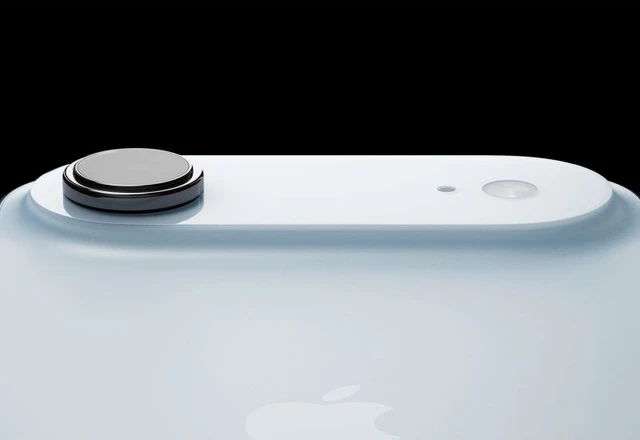
The second iteration of the device, expected in the spring of 2027, is designed to address these primary grievances. The cornerstone of this update will be the addition of a second camera dedicated to ultra-wide photography. This is more than a mere hardware expansion; it is an attempt to transform the device into a versatile content creation tool, ensuring users no longer have to sacrifice quality for a slim profile. Meanwhile, the external design is expected to remain virtually unchanged, signaling Apple's intent to establish a definitive visual identity for this series.
Engineers are placing a heavy emphasis on power efficiency. Given that expanding battery capacity is physically impossible without altering the chassis dimensions, the strategy shifts toward aggressive software optimization and hardware efficiency. The centerpiece of the device is expected to be the A20 Pro chip. A transition to more advanced fabrication nodes—likely utilizing even smaller transistor scales—will allow for reduced power consumption while maintaining high performance, which will be the key to extending battery life.
Perhaps the most intriguing aspect, however, is not the hardware itself, but the shift in release strategy. Apple is moving away from its traditional September launch monolith. According to new roadmaps, the fall of 2026 will see the debut of the iPhone 18 Pro and Pro Max, alongside the long-awaited first foldable iPhone. The launch of the base models and the updated iPhone Air will be pushed back to the spring of 2027.
This staggered release schedule allows the company to distribute revenue streams more evenly and sustain consumer momentum throughout the year. By the fall of 2027, the cycle will culminate in the release of anniversary editions of the classic iPhone and the second-generation foldable smartphone.
In essence, the iPhone Air serves as a strategic bridge. By refining ultra-thin PCBs, pioneering new battery chemistries, and developing compact camera modules, Apple is laying the groundwork for total dominance in the flexible device segment. If the first generation of the Air was a manifesto of intent, the second must serve as proof that minimalist aesthetics can coexist with uncompromising utility.
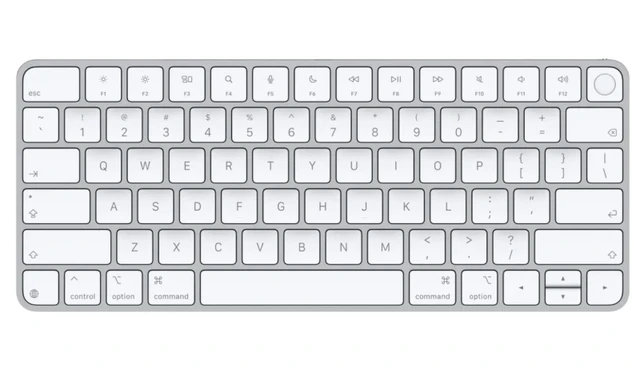 The Visual Minimalism of Apple's New Keyboards