Today's content landscape demands uncompromising audio quality; portability is no longer an acceptable excuse for sacrificing professional-grade recording. Videographers and podcasters are increasingly seeking tools that can mitigate technical failures when capturing audio in fast-paced, unpredictable environments. DJI’s response, the Mic Mini 2S, is more than a mere iterative update; it is a decisive move toward democratizing studio-grade audio. By integrating 32-bit float recording and enhanced connectivity, DJI has transformed a compact lavalier system into a comprehensive audio production powerhouse.
The defining technological leap in the Mic Mini 2S is the implementation of 32-bit float recording. For those unfamiliar with this standard, it is crucial to understand that this bit depth effectively eliminates the concept of "clipping" or signal overload. Even if a speaker suddenly shouts or a sharp volume spike occurs, an audio engineer can recover the signal during post-production without quality loss or digital distortion. This transforms the microphone into a fail-safe tool for unpredictable environments where constant gain monitoring is impossible.
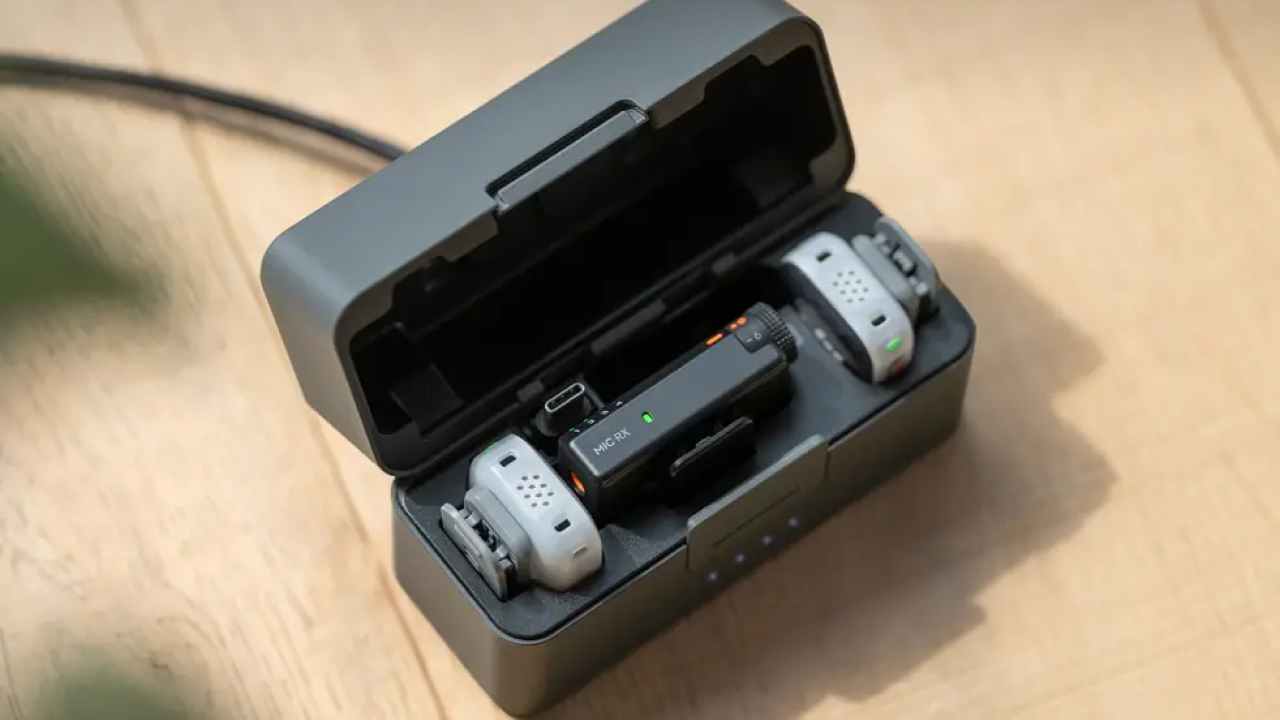
System autonomy has been bolstered by the integration of a dedicated 14.5 GB memory module directly into each transmitter. This feature allows the device to function as a standalone recorder, completely removing dependence on a receiver, camera, or smartphone. Depending on the selected mode, the onboard storage provides up to 22 hours of recording in 32-bit format or 28 hours in standard 24-bit. The proprietary DJI app offers flexible data management, allowing users to choose between "raw" source files for deep processing or optimized tracks processed via the company's internal algorithms.

System scalability has also seen a significant expansion. A single receiver can now support the simultaneous operation of up to four transmitters. Notably, DJI has maintained backward compatibility, allowing Mic Mini 2S units to be mixed with previous-generation transmitters in a single session. This approach makes the system ideal for multi-person interviews or group podcasts, where isolating individual voices is critical.
For professional editing, the system implements support for four-channel audio output. This ensures that each track from an individual microphone is recorded independently, granting the editor total control over the balance and equalization of every voice. However, there is a technical caveat: full functionality of this feature when connected via cable or hot shoe is only guaranteed for a specific range of Sony camera models.
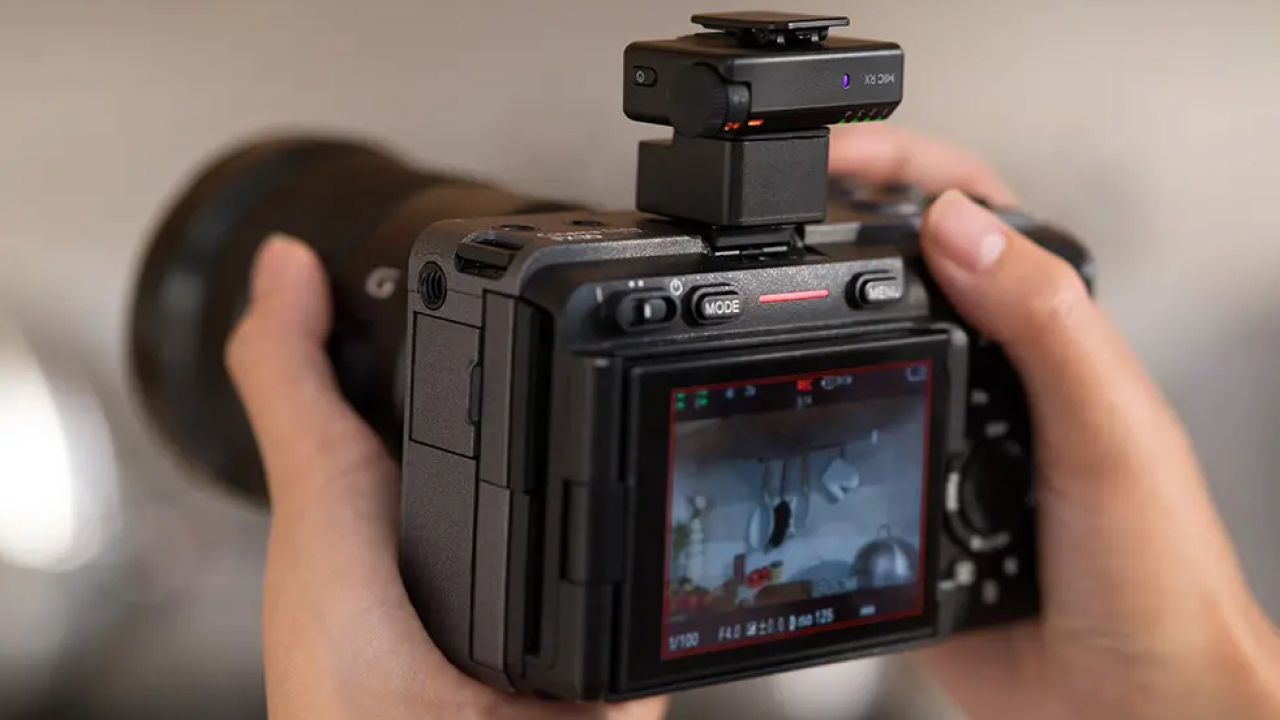
The DJI ecosystem continues to fortify itself through OsmoAudio technology. Thanks to seamless integration, Mic Mini 2S transmitters sync directly with the brand's current camera lineup—including the Osmo Action 6, Osmo Nano, Osmo 360, and Osmo Pocket 4—eliminating the need for cumbersome external receivers and cluttered cabling.
In the pursuit of expanded functionality, a certain trade-off in power efficiency was necessary. The transmitter's battery life now lasts up to 11 hours, while the receiver provides up to 10 hours. With the charging case, the total system resource reaches 40 hours, which is slightly lower than the 48-hour mark of its predecessor, the Mic Mini 2. Nevertheless, for the vast majority of use cases, this capacity is more than sufficient.
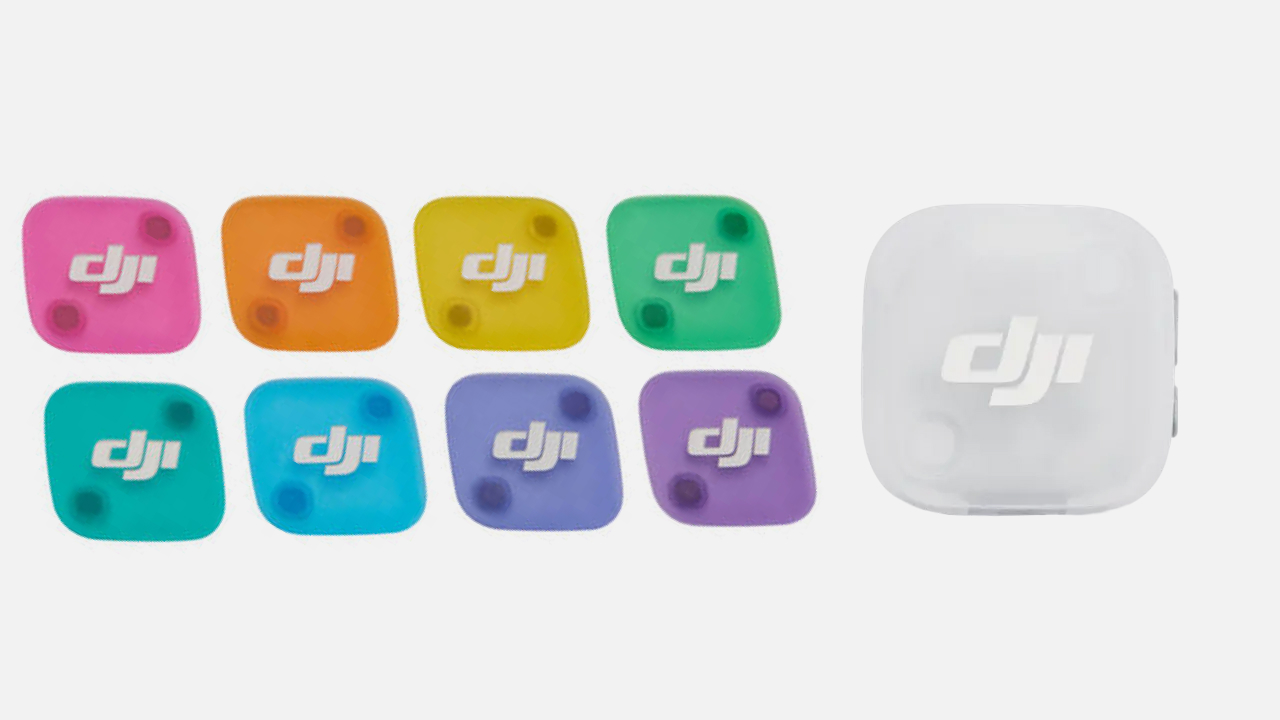
The aesthetic philosophy of the Mic Mini 2S remains committed to customization. A system of interchangeable colored panels allows users to adapt the microphone's appearance to the speaker's attire or the overall visual concept of the shot. It is important to note that panels from the previous Mic Mini 2 are not compatible with the new model due to design changes.
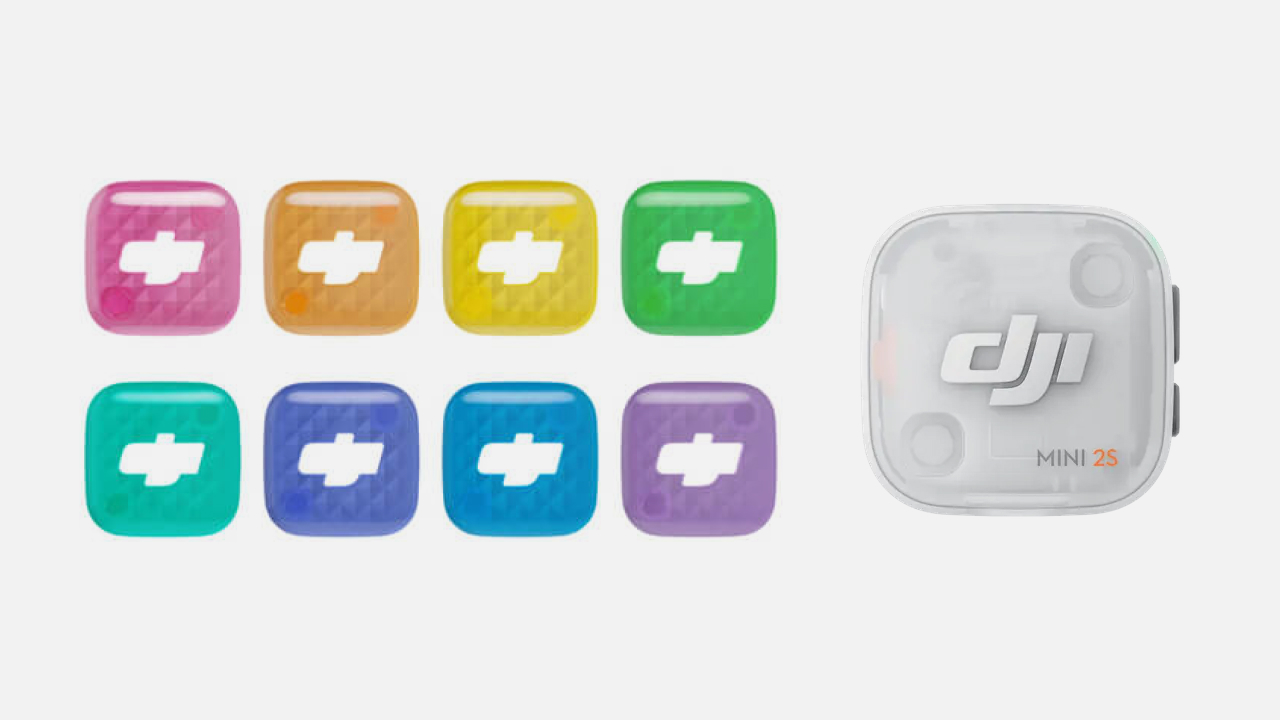
The design nuances have become more pronounced: in the 2S version, the brand logo now features an embossed, tactile profile, for which a specific cutout is provided in the interchangeable panels. In the previous generation, the logo was a flat print, and this same printing was duplicated on the panels themselves.
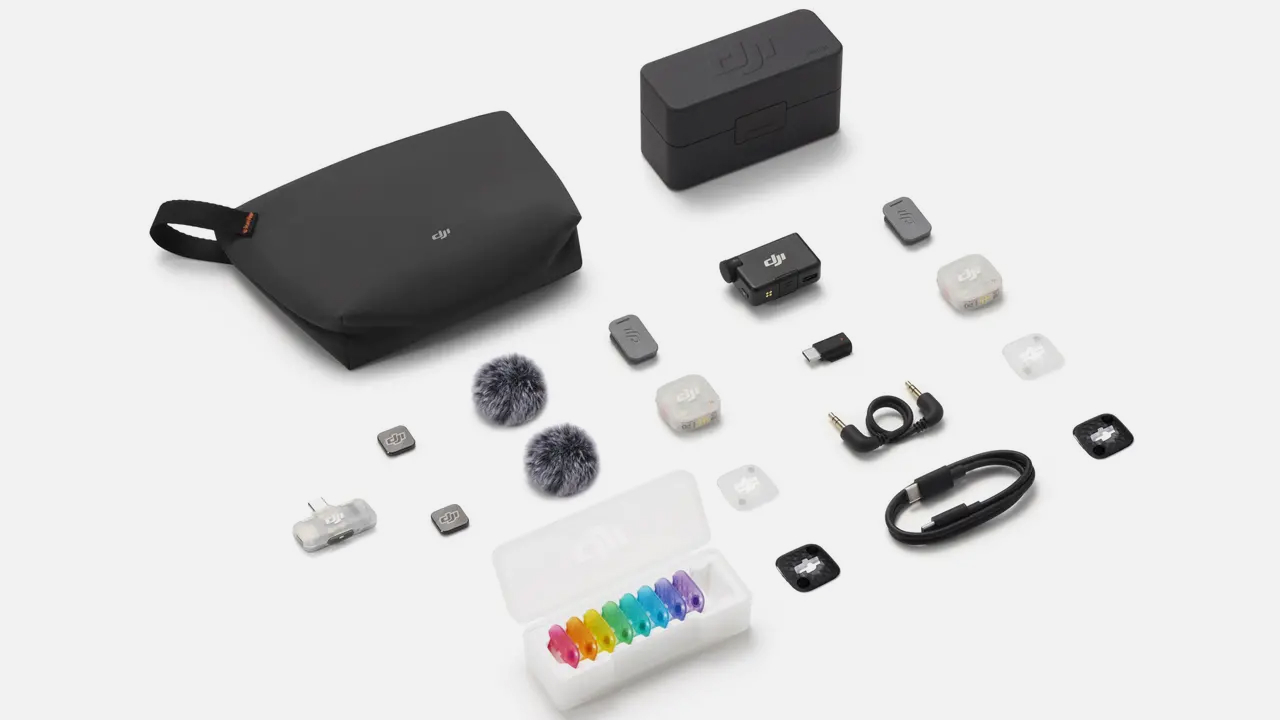
DJI's market strategy employs a flexible bundling approach. The comprehensive kit, priced at $180, includes everything needed for a professional start: a charging case, a universal receiver, a specialized smartphone module, two transmitters, and a full set of accessories, including magnetic mounts and wind protection. For those who do not require a mobile receiver, an alternative option is available for $166.
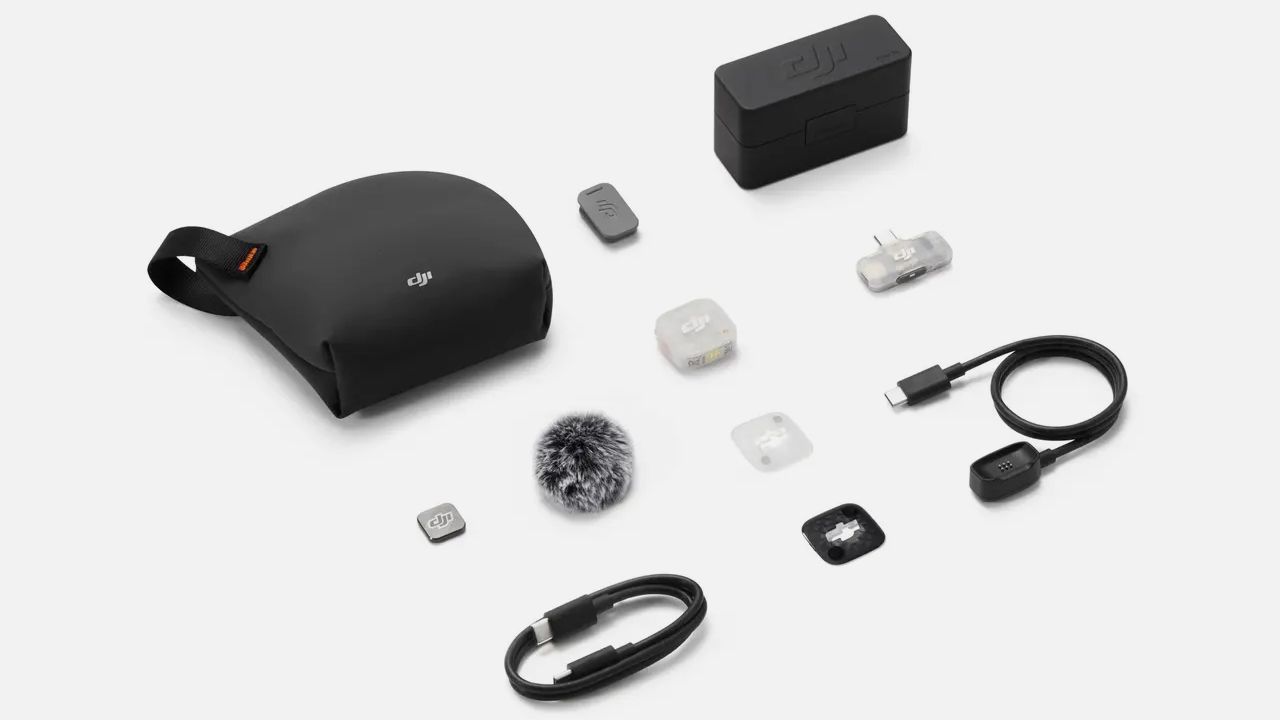
The budget segment is covered by a $95 bundle containing one transmitter and a compact receiver, making it the optimal choice for solo vloggers. For those looking to expand an existing setup, the company offers individual transmitters for $63 or a standalone charging case for $36.
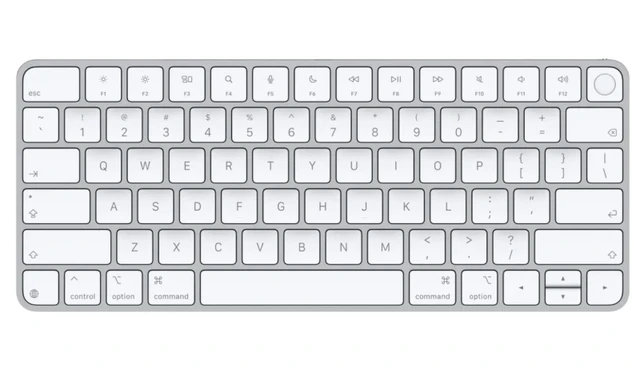 The Visual Minimalism of Apple's New Keyboards