The mobile technology market is witnessing a fundamental paradigm shift toward multifunctional form factors. Foldables have evolved beyond mere engineering curiosities, maturing into sophisticated tools designed for genuine productivity. The success of Samsung’s latest iterations has provided the catalyst—a momentum now being embraced by industry titans like Apple and Xiaomi. This strategic clash for dominance in the premium segment is effectively defining the architectural trajectory of smartphones for the coming decade.
The mobile industry has entered a pivotal era of ergonomic reimagining. For years, foldable smartphones were relegated to the fringes as niche products; however, the resounding success of the Samsung Galaxy Z Fold8 has debunked this notion, proving that consumers are eager for wide-screen formats provided they offer tangible value for multitasking. This triumph has acted as a catalyst for other tech giants, who are now racing to claim the vacant throne of the "ultimate device."
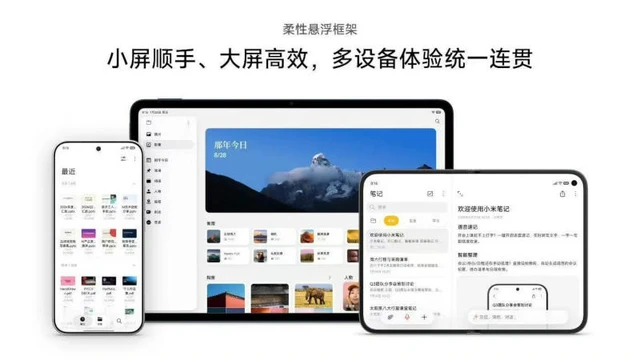
Against this backdrop, Xiaomi is making a strategic pivot to expand its portfolio. During the announcement of the Hyper OS 4 beta, an illustration of a new wide-screen foldable smartphone surfaced. While the appearance of this image may have been accidental, it serves as compelling evidence that the company is finalizing the development of its own entry into this segment. A close examination of the prototype reveals noticeable bezels around the main display and a characteristic front-camera cutout in the upper right corner—suggesting a design philosophy that prioritizes functionality over minimalist aesthetics.
The strategic positioning of these products is equally telling. While Samsung and Huawei are attempting to position wide-screen foldables as accessible alternatives to traditional slab smartphones, Apple and Xiaomi are charting a different course. For them, this form factor represents the "ultra-premium" category. This implies that these new devices are not merely intended to replace the standard phone, but rather to establish an entirely new class of hardware that seamlessly converges tablet and smartphone capabilities into a single chassis.
Market data validates this trajectory. Approximately 70% of pre-orders for Samsung's latest generation of foldables were for the wide-screen models. This surge in demand has allowed the Fold family to shatter long-standing popularity records previously held by the legendary Galaxy Note 10 series. In essence, flexible devices have become the spiritual successors to the "productivity powerhouse" ethos of the large-screen smartphone.
We are fast approaching an inevitable collision of industry titans. The anticipated release of Apple's foldable iPhone Ultra could seriously jeopardize Samsung's dominance in this segment. Xiaomi’s entry into the fray only intensifies the competition, forcing manufacturers to accelerate innovation in flexible OLED panels and sophisticated folding mechanisms. This trend is likely to become the defining shift for the entire industry, with wide-screen foldables soon becoming the gold standard for flagship lineups across all leading brands.
 The Evolution of Apple's Augmented Reality Ecosystem